
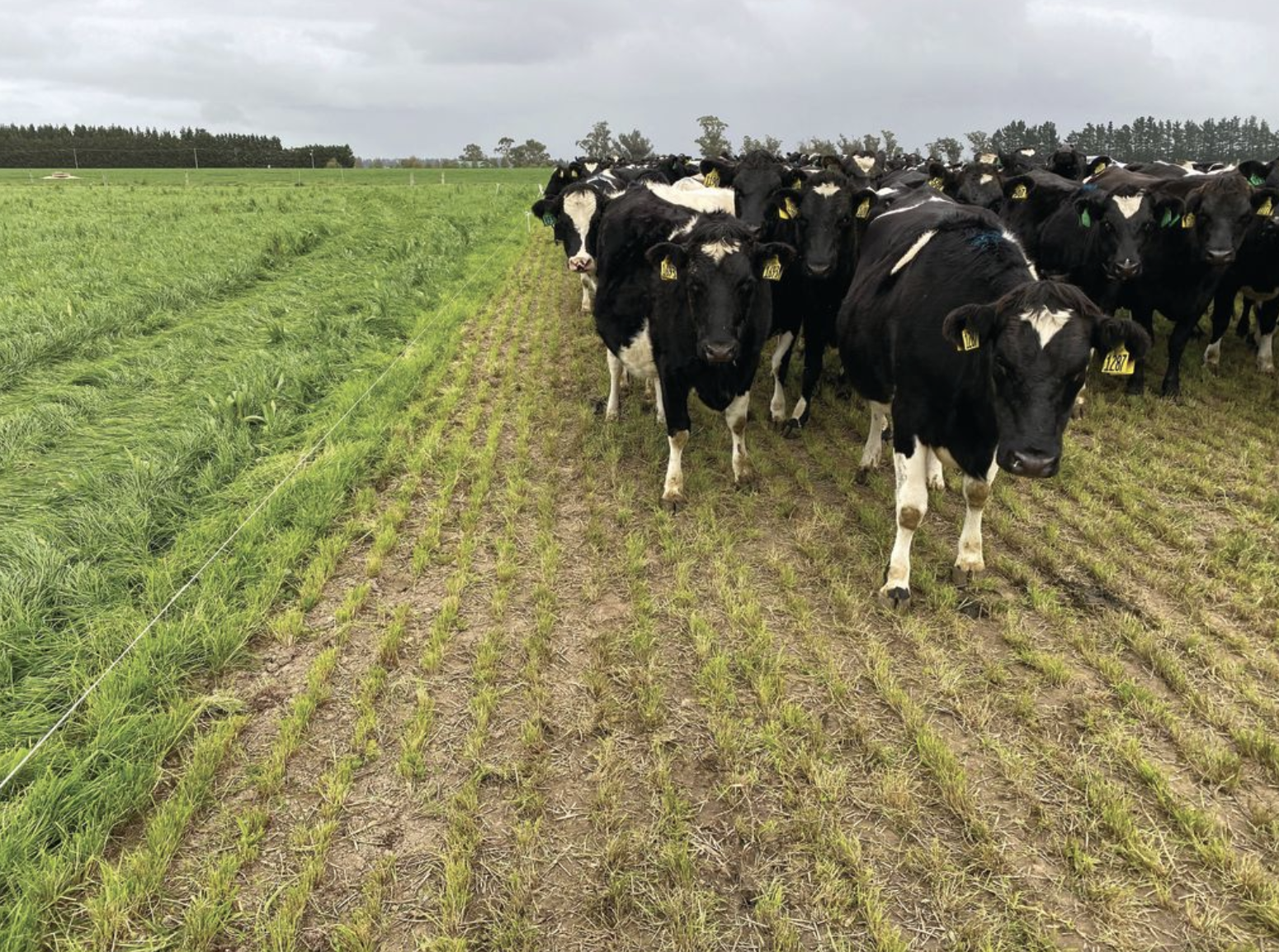
A couple of serious perennial ryegrasses
Legion and Reason are two of Agricom’s recent ryegrass releases, backed by years of farmer experience and proven performance in the paddock.

Eastland Port celebrates $5 million support
Eastland Port in Gisborne is first in line for extra Government funding to bolster New Zealand’s coastal shipping network.
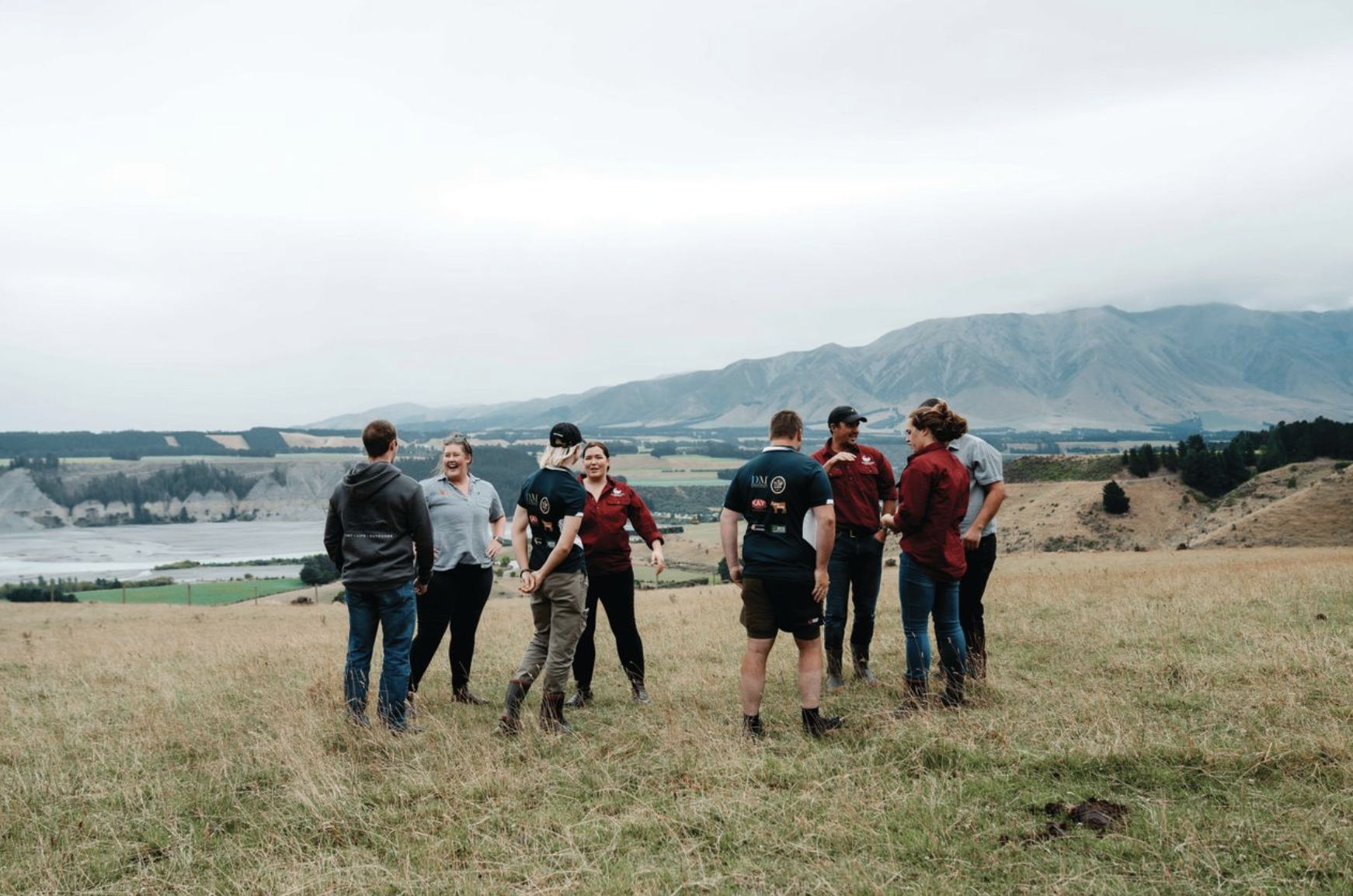
Simple, powerful way to support staff
New Zealand Young Farmers has launched a new initiative designed to make it easier for employers to support their young team members by covering their NZ Young Farmers membership.

New fintech player set to disrupt farm banking
With New Zealand farmers feeling disconnected from the financial services available to them, GrowPay, a NZ-founded and run digital financial platform, has launched a new option today to help them reshape their cash flows to match the peaks and troughs of farming.
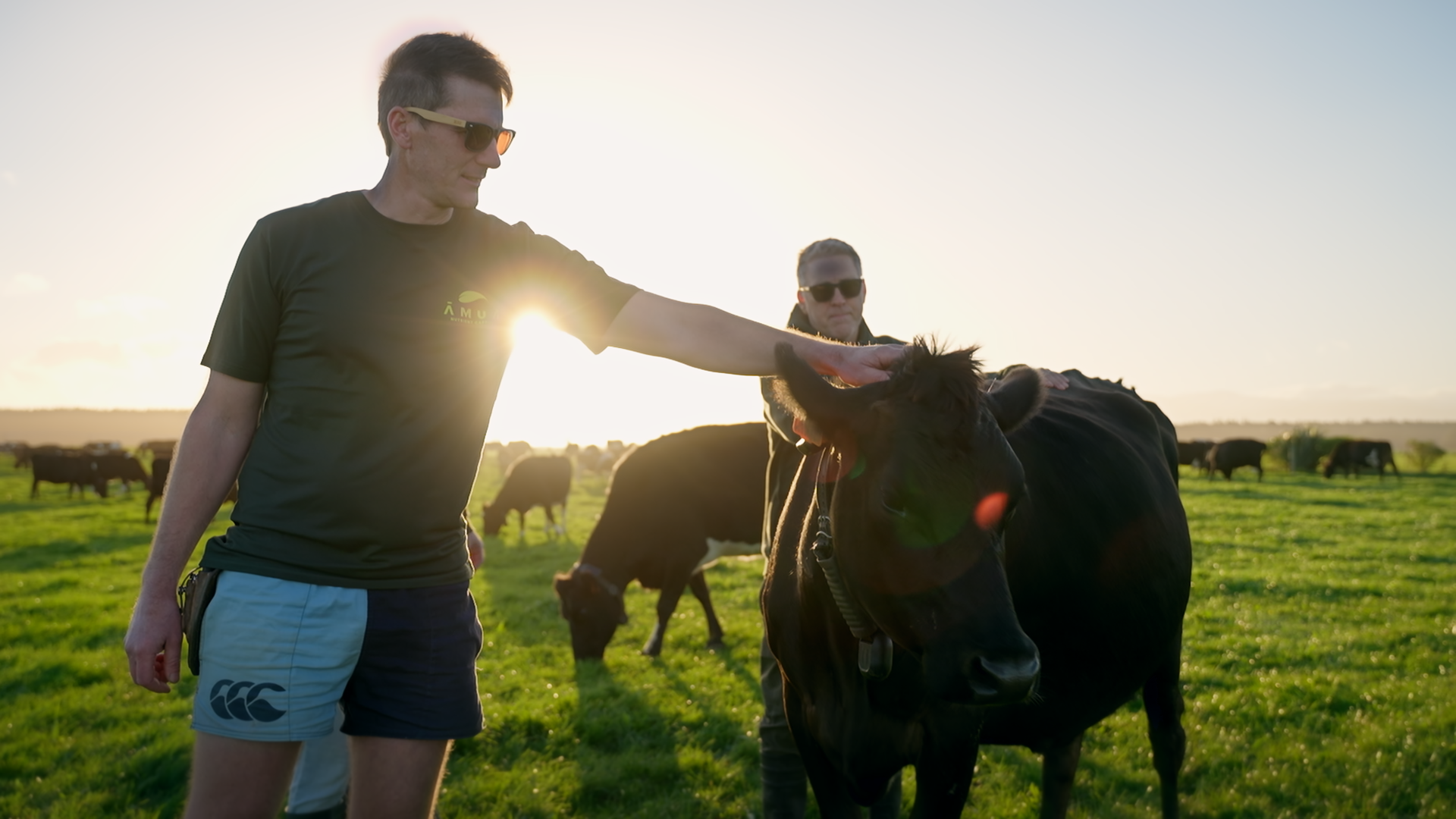
‘Brilliant’ example of Kiwi ingenuity backed for further development
North Canterbury ag-tech start-up Amua has secured $1.2 million from AgriZeroNZ to accelerate development of its cow wearable technology.

Making the most of crop protection career opportunities
It’s all go on the people side at Corteva Agriscience as the company prepares to start 2026 with two new territory appointments and another internal promotion.
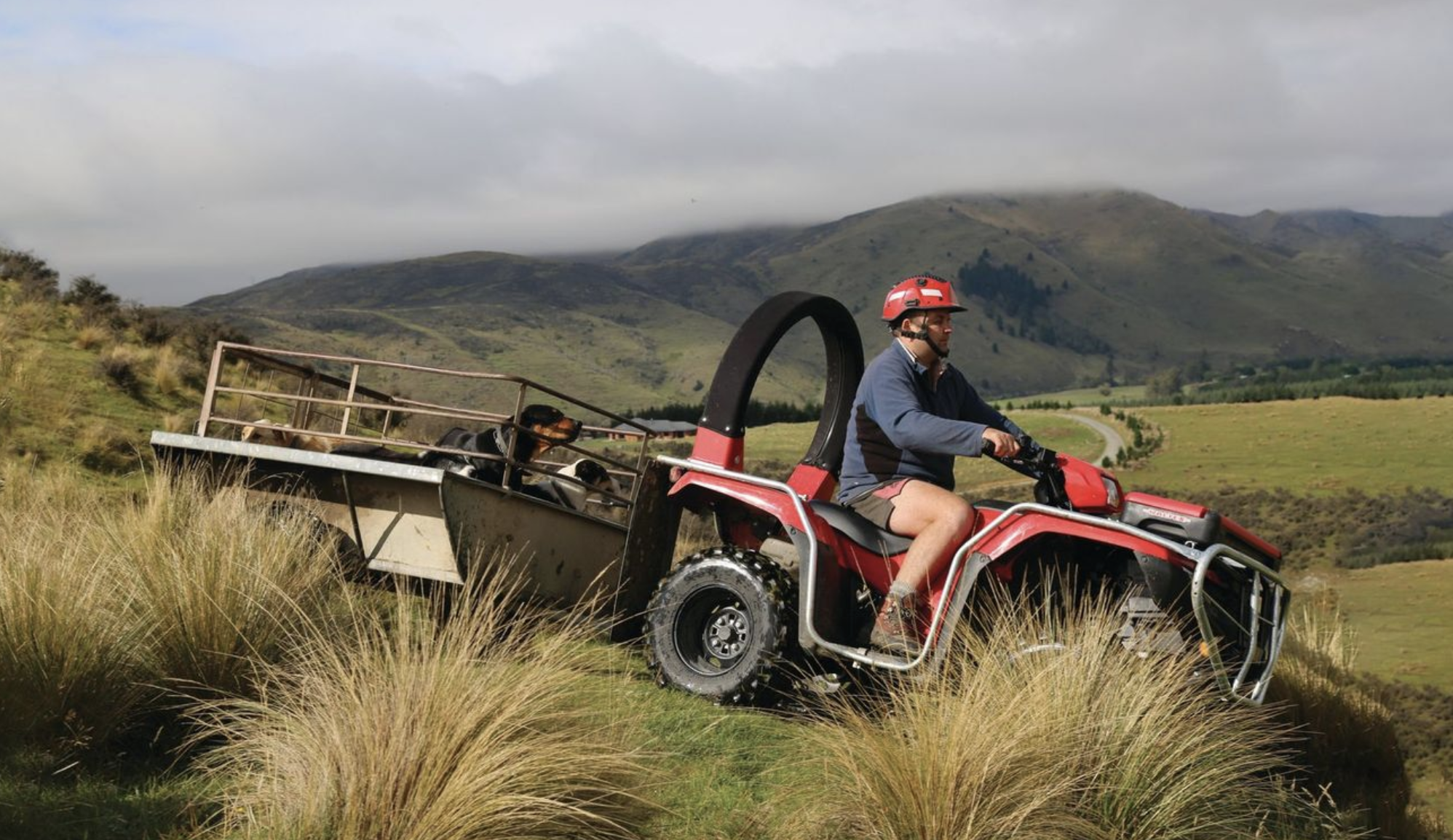
Driving real change on quad bike safety
The Safer Rides initiative, which offered farmers heavily discounted crush protection devices (CPDs) for quad bikes, has significantly raised awareness and action around farm vehicle safety, a new report reveals.

Landmark appointment for local team
UPL New Zealand has appointed Sarah Dewes as country head, marking the first time a woman has held this role for UPL in the APAC region.

Unique role will strengthen wool marketing
PGW Wool has created a wool export account manager role to strengthen the link between procurement and export while planning for the future.
New arable code of conduct brings clarity
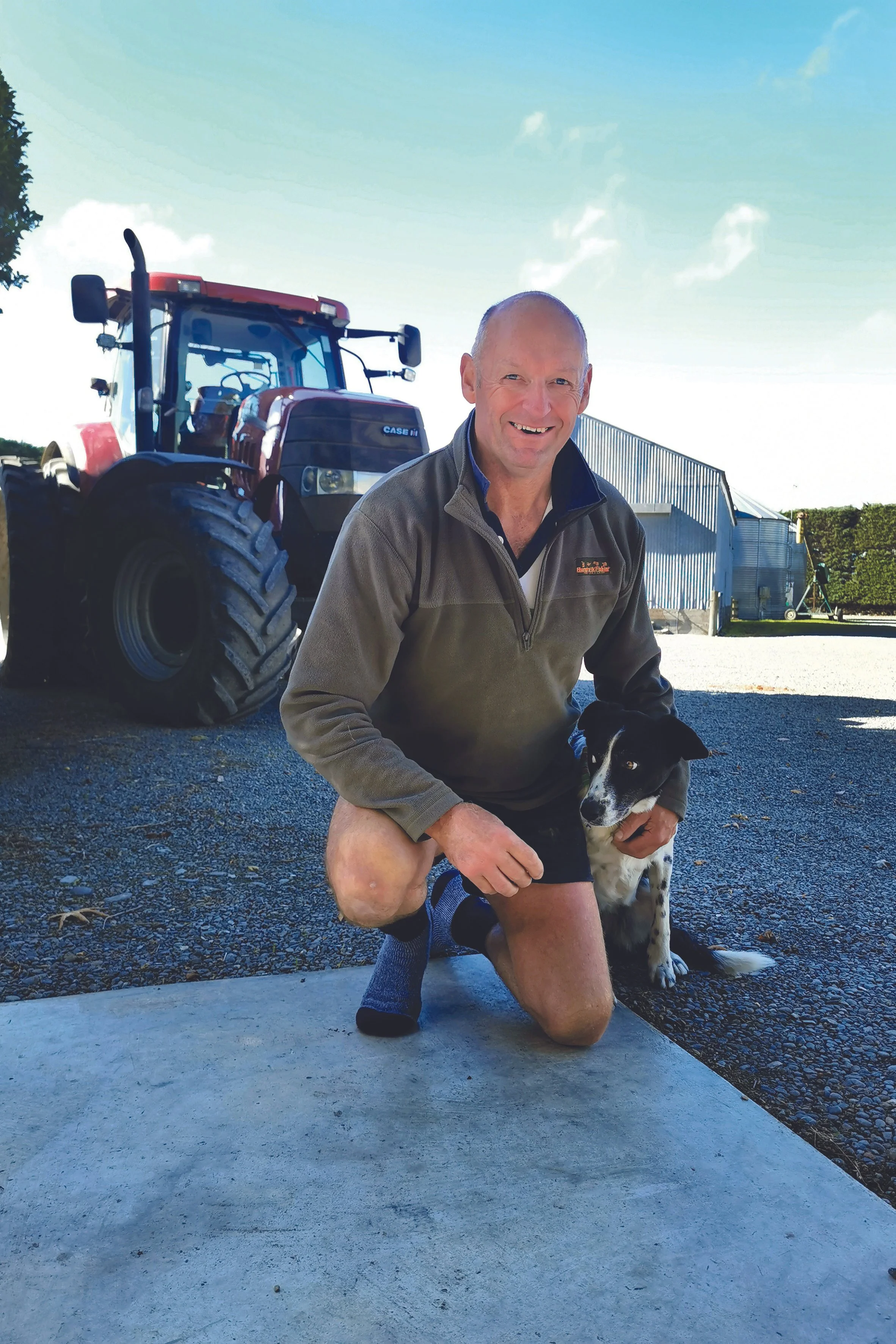
A new Arable Industry Code of Conduct will give New Zealand’s arable sector a clearer, more consistent way of doing business, helping strengthen relationships and confidence across the industry.
Joint effort puts regen to the test
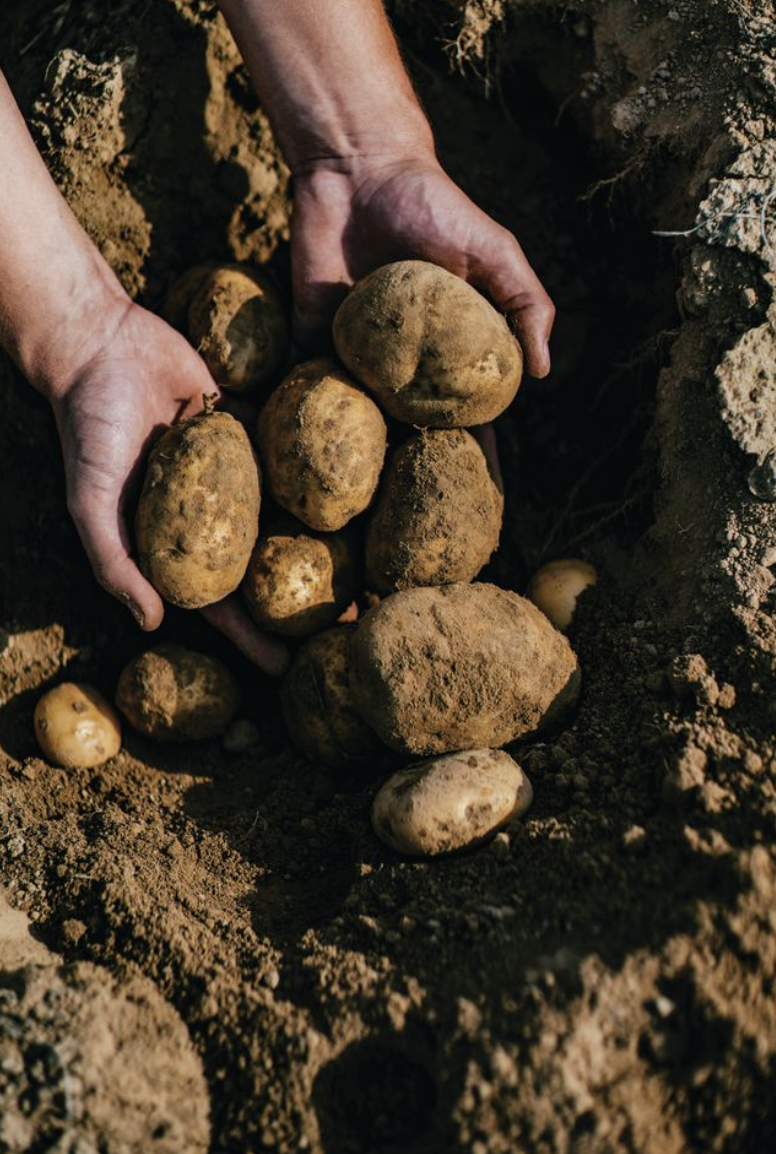
Lincoln University and McCain Foods have teamed up to convert part of the university’s research dairy farm into a future-focused arable unit, with the first crops due to be sown this autumn.
Turning data into dollars with the right ryegrass
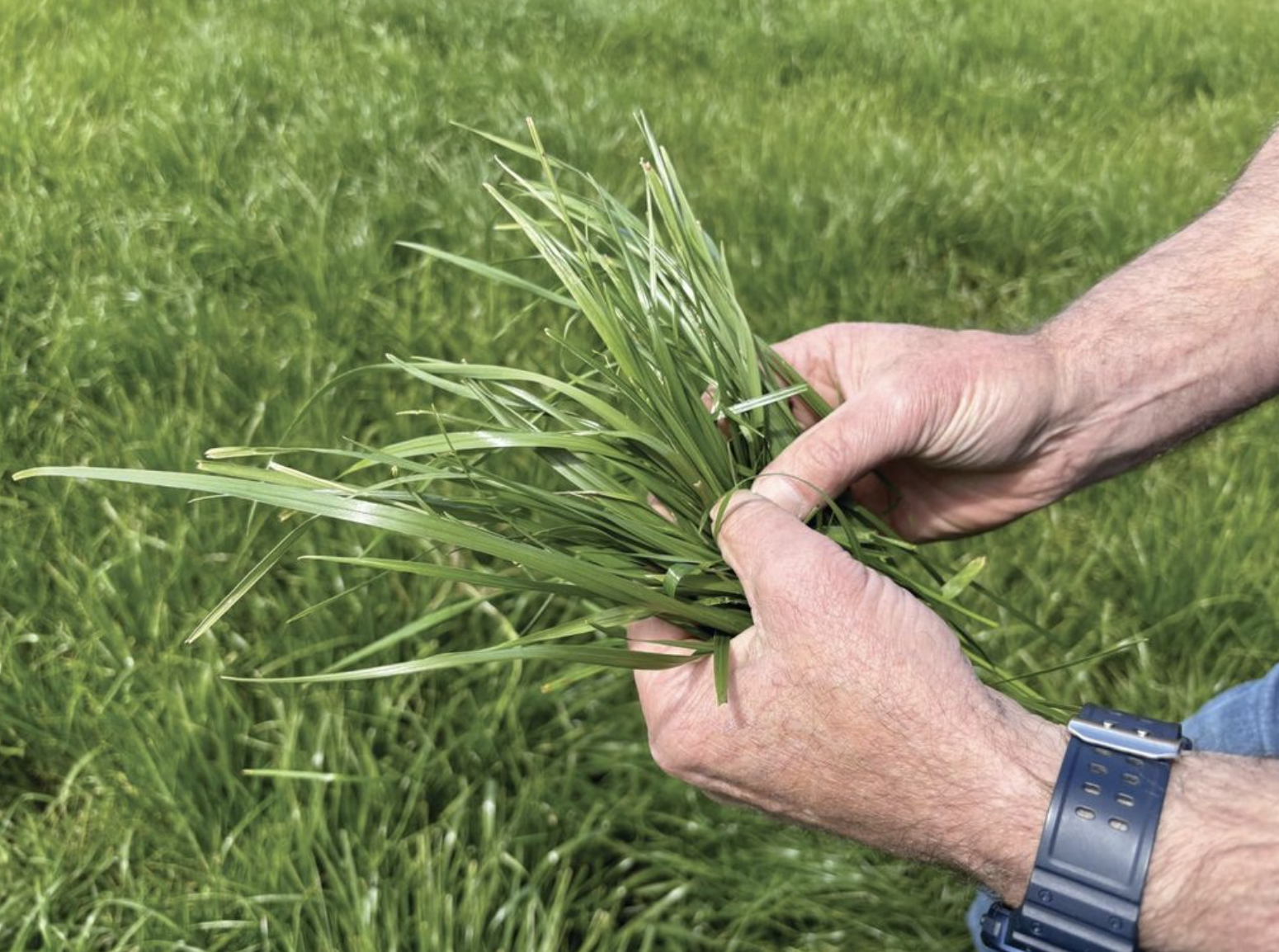
If growing more feed at home adds up to $428 profit per tonne of dry matter to your dairy farmers’ bottom line, wouldn’t it be good to recommend a ryegrass that gets them there quicker?
EPA approves a new cereal herbicide
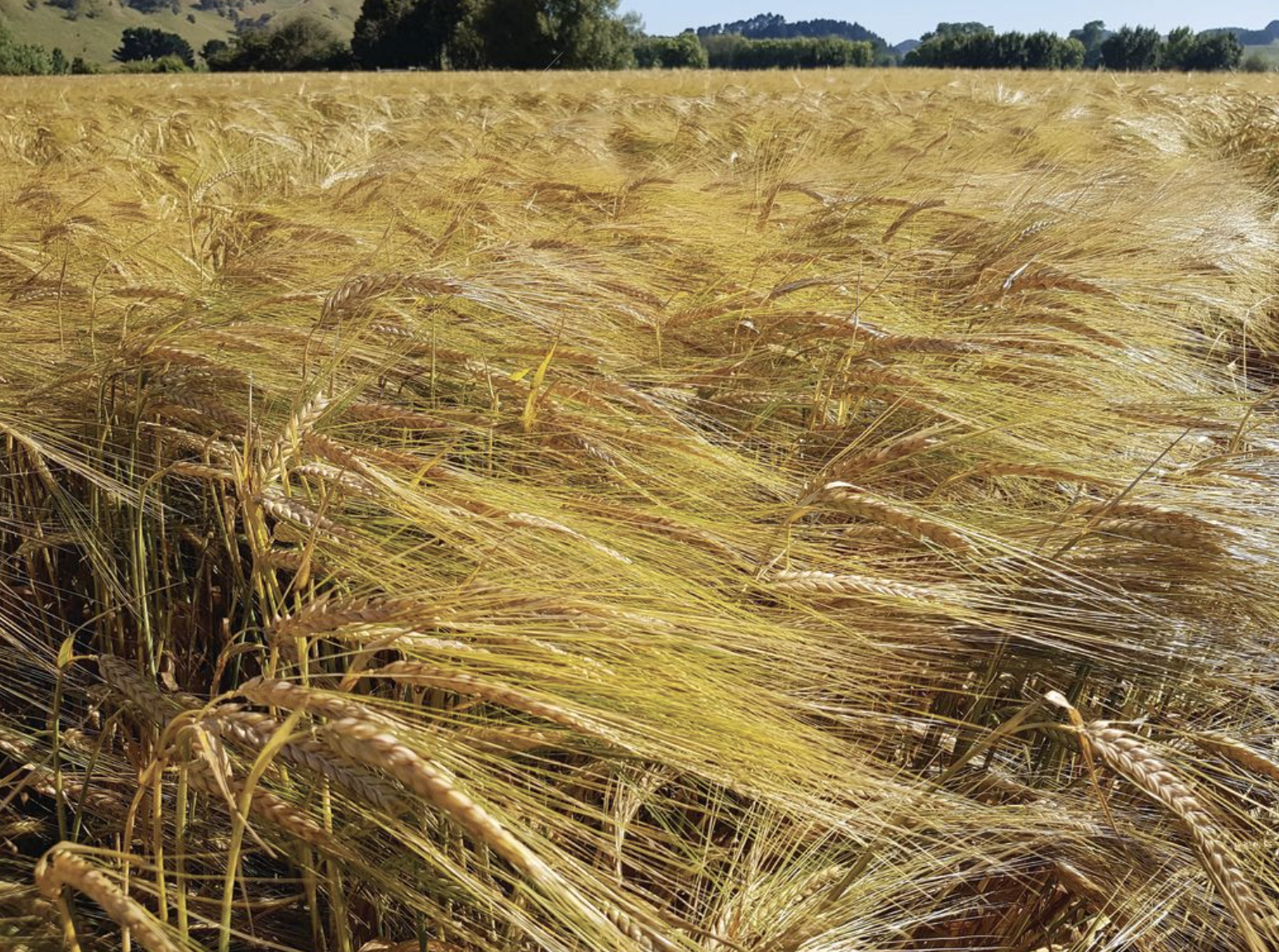
The Environmental Protection Authority has approved a new herbicide used to control certain broadleaf and grass weeds in wheat and barley crops.
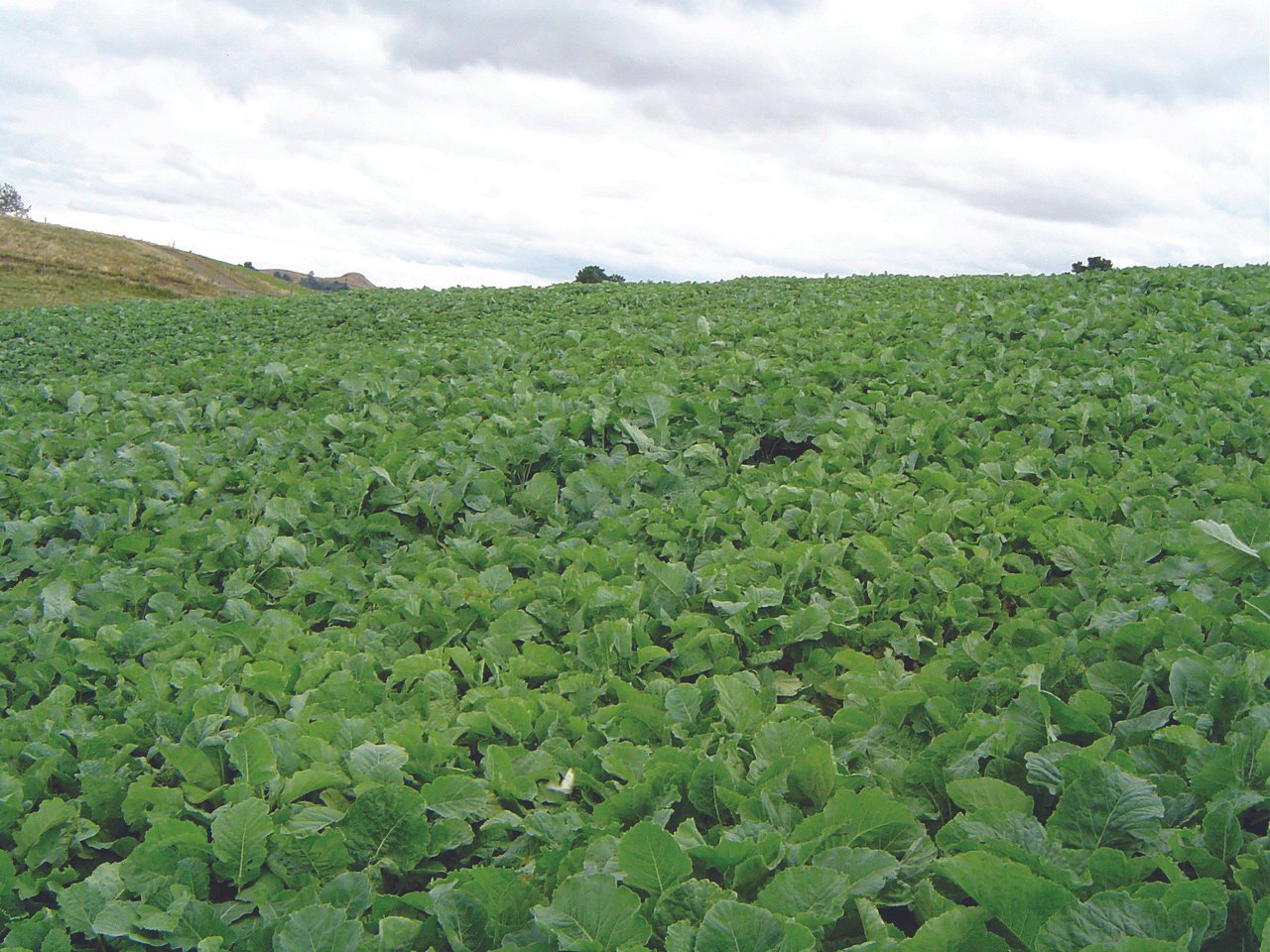
Wringing every cent from spray programmes
Making each dollar work harder is something of a catch phrase in the current economy but it’s not a new concept or goal.
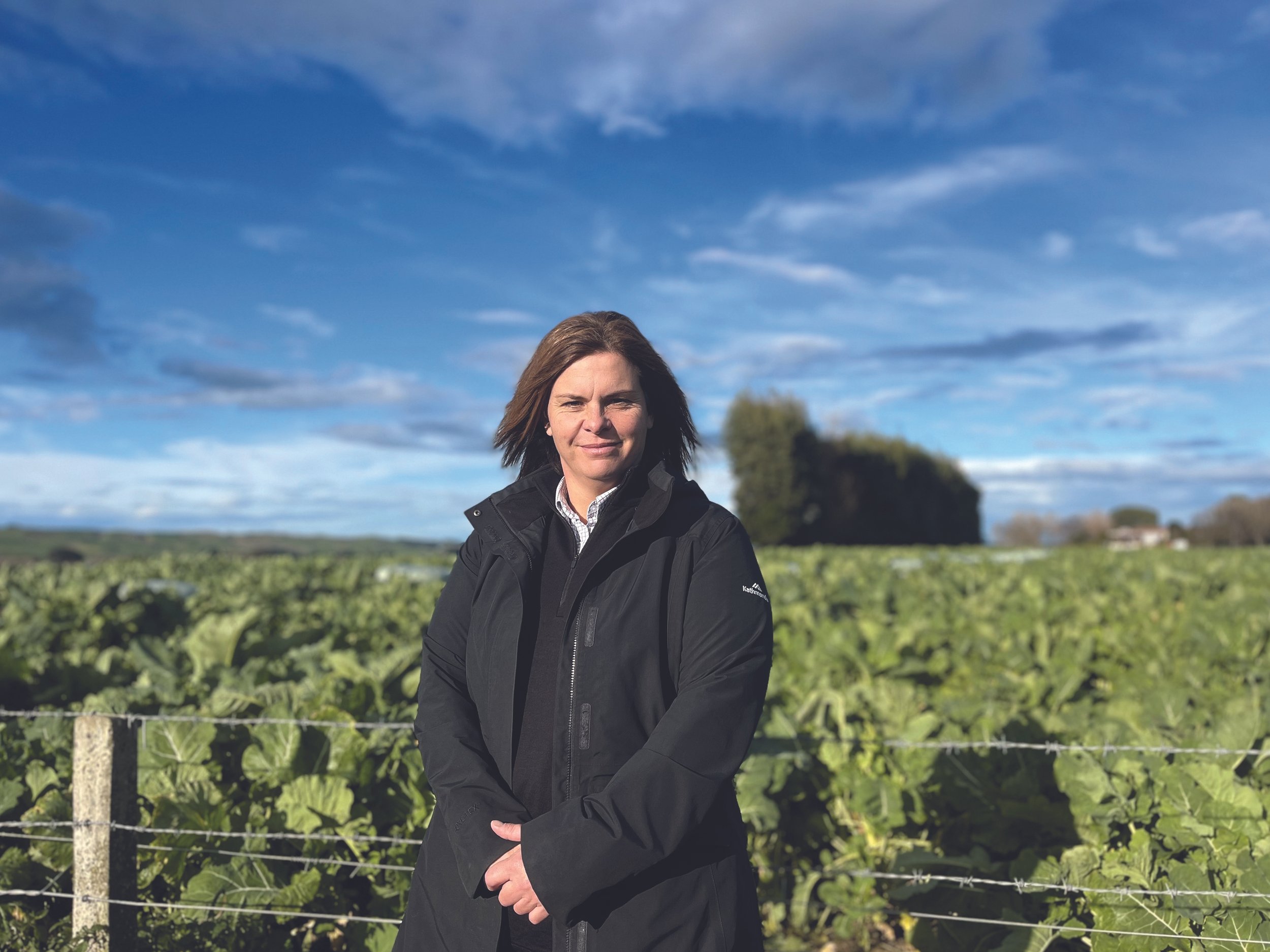
Hub leader moves to new pastures
After nearly three years, Southern Dairy Hub general manager Andrea Dixon is stepping down to focus on the next step in her career, family and personal priorities.
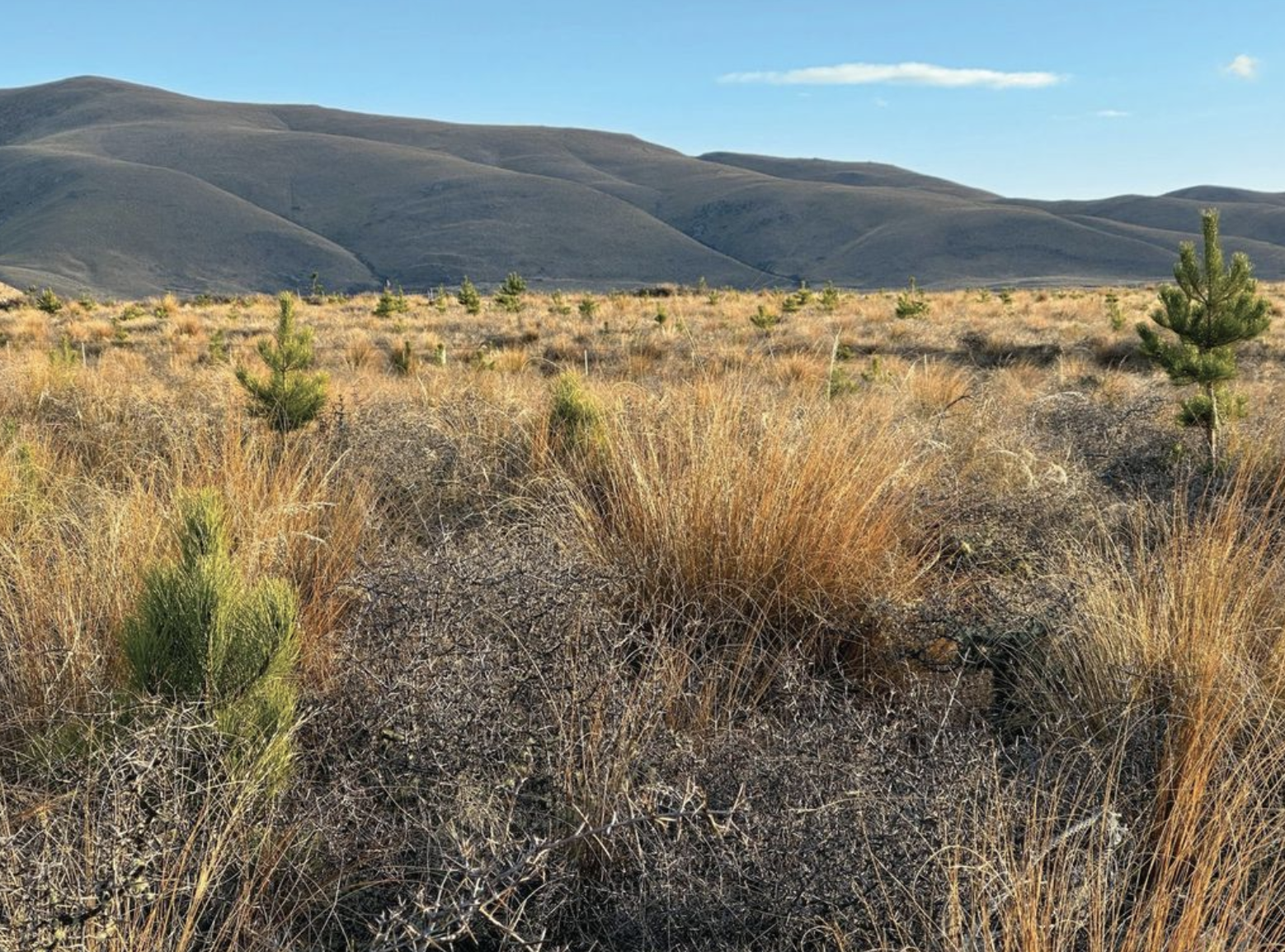
Wake up to what we all stand to lose
Kiwis from all walks of life will return to work this summer knowing the true peril posed by wilding pines to our landscapes, productivity and biodiversity, thanks to a bold new publicity campaign launched late last year.
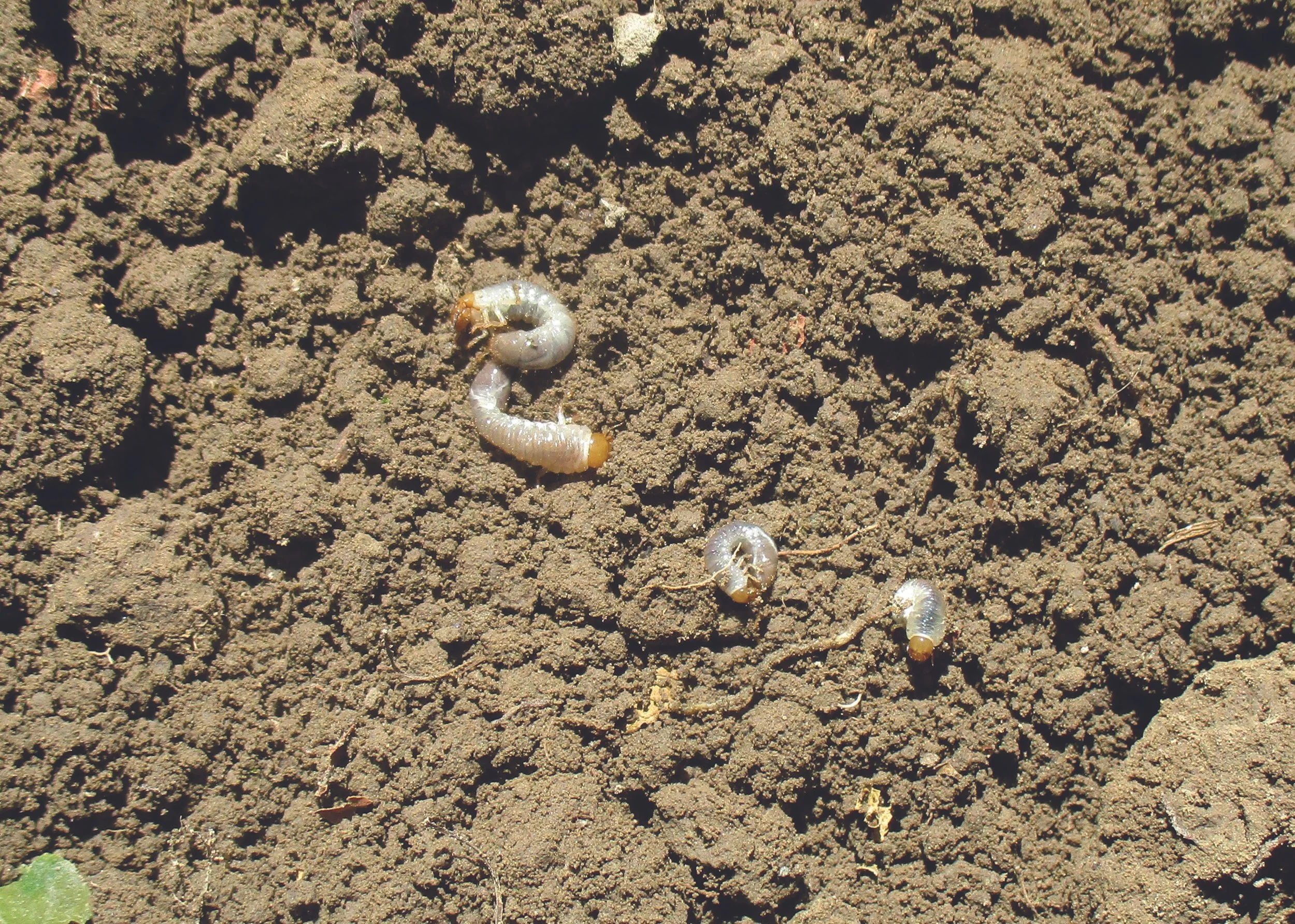
Control NZ grass grub the biological way this autumn
The regulatory phase-out of the organo-phosphate insecticides diazinon and chlorpyrifos has closed the door on two widely used insecticides — but it also opens the door to innovative biological alternatives.

Dozens of potential new tools under scrutiny
A Lighter Touch’s residue and efficacy trial work this season is evaluating 53 products across 22 trials, targeting high priority crop protection control gaps in a range of crops.
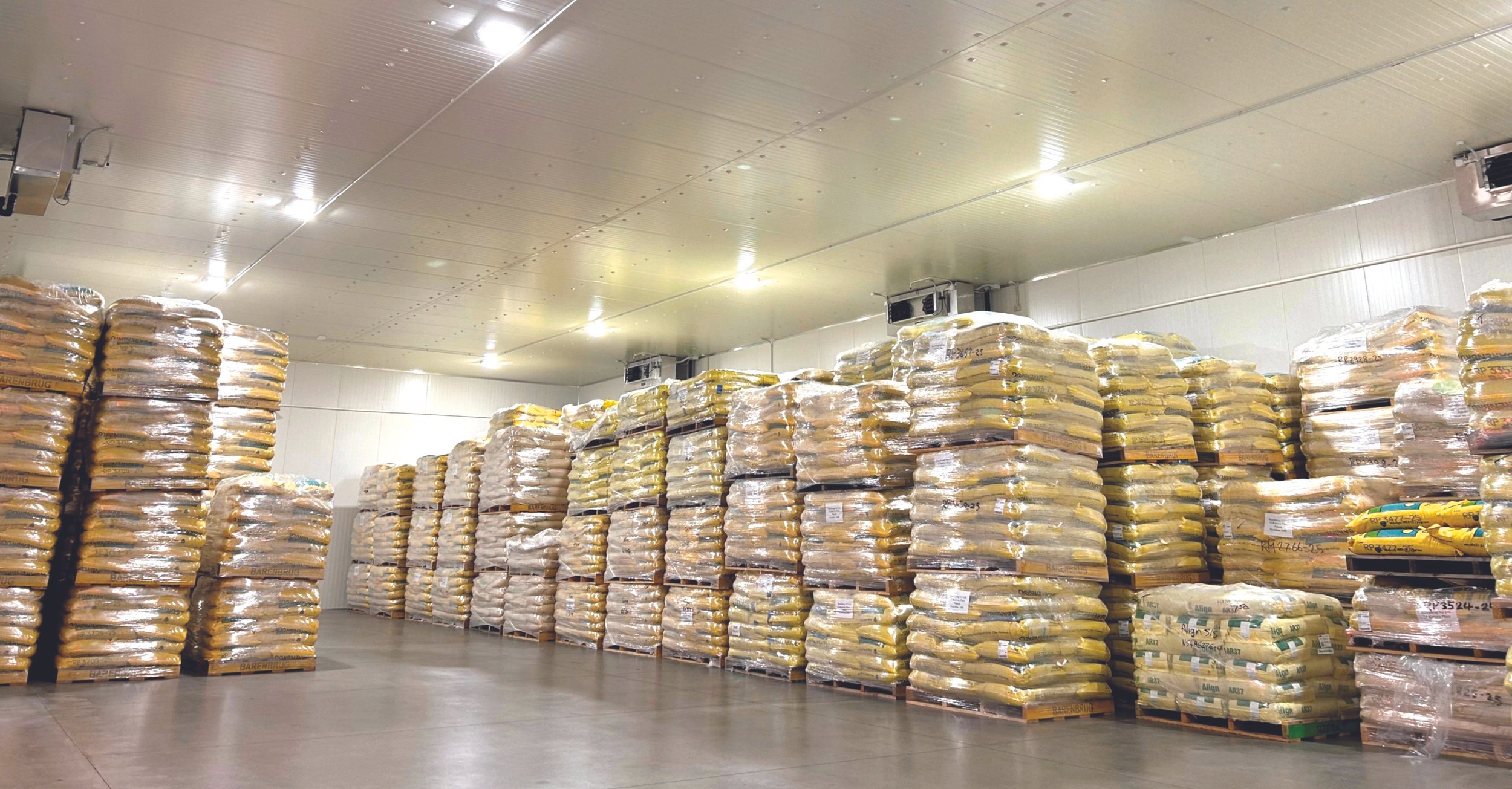
Heat, humidity no friends to endophyte
New industry research investigating alternatives to woven polypropylene seed bags has also revealed stark data about the fragility of endophyte in ryegrass seed when it’s not cool-stored.
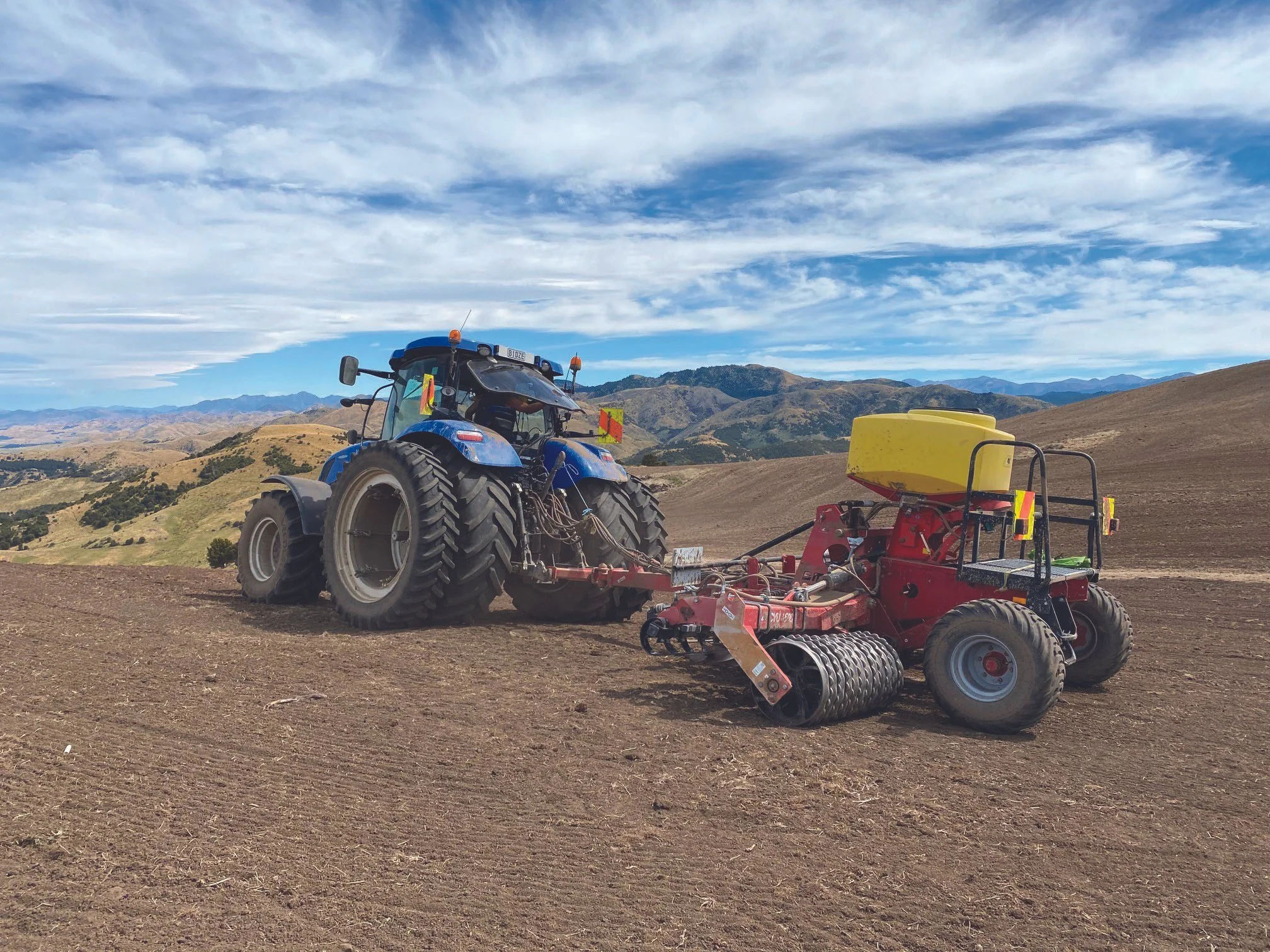
Proprietary seed wins the value stakes, hands down
Choosing pasture seed at bargain prices may seem an attractive way for farmers to reduce autumn or spring re-sowing costs, but it comes with significant risks.