
‘Brilliant’ example of Kiwi ingenuity backed for further development
North Canterbury ag-tech start-up Amua has secured $1.2 million from AgriZeroNZ to accelerate development of its cow wearable technology.
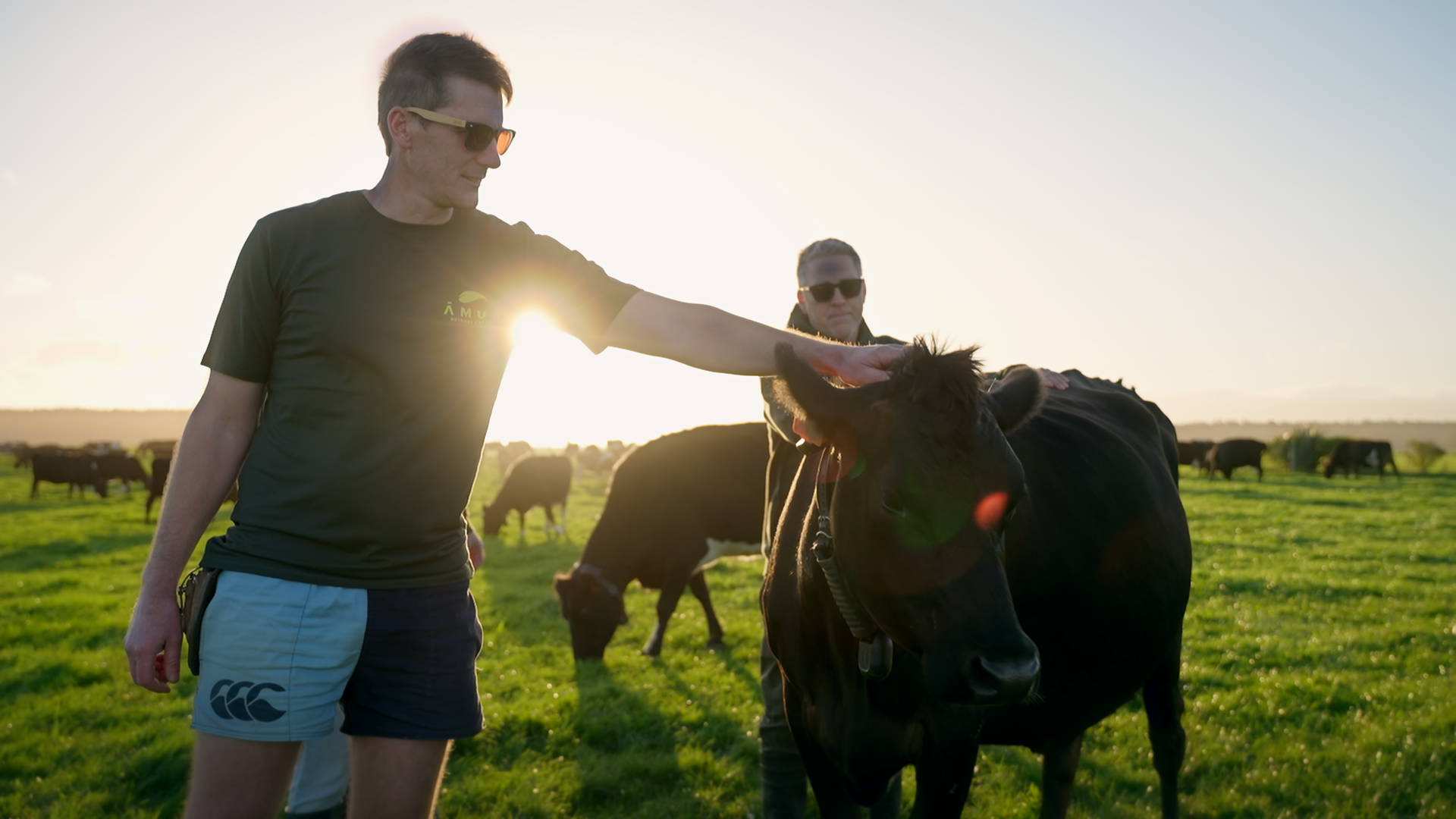
Based on a hill country farm near Waiau, Amua is developing a smart device that enables nitrogen in cow urine to be used as fertiliser.
By spreading the concentrated urine patches out across the paddock, data modelling by AgResearch in the Bioeconomy Science Institute (BSI) indicates the patented device could provide comparable pasture growth to synthetic nitrogen, reduce nitrous oxide emissions by up to 95%, and nitrate leaching by up to 93%.
CEO and co-founder Roger Johnson, who farms in North Canterbury, says the company has developed technology to transform naturally abundant on-farm nitrogen into an eco-friendly and cost-effective fertiliser.
“Nitrogen is a key nutrient for grass growth and there’s plenty of it naturally available on-farm, yet as a farmer I can spend around $150 per cow on synthetic fertiliser and a lot of it is being lost into the groundwater or air.
“By spreading the cow-produced nitrogen across the paddock, we can increase the effectiveness of this natural fertiliser.”
Small, highly concentrated cow urine patches leach nitrogen into groundwater and escape into the atmosphere as nitrous oxide.
“We’re supporting farmers to grow pasture for half of the cost and significantly reduce the environmental impact—that’s a win-win,” Johnson says.
AgriZeroNZ is pleased to back the unique solution, marking its first equity investment in nitrous oxide mitigation, says chief executive Wayne McNee.
“Amua is a brilliant example of Kiwi ingenuity to tackle a common challenge on-farm and potentially deliver a range of environmental and economic benefits.
“Methane gets a lot of attention in the emissions landscape, but cutting back nitrous oxide can also play an important role in lowering our overall emissions and meeting the targets set by some of our biggest export customers.
“High-impact, scalable innovations like Amua will be vital to meet global demand for emissions reduction and safeguard the export economy we all rely on,” he says.
A prototype device, developed with support from the Ministry for Primary Industries’ Māori Agribusiness Innovation Fund, has been validated in trials on Ngāi Tahu Farming’s Te Whenua Hou dairy farms.
Amua also recently sought feedback from AgriZeroNZ’s Farmer Focus Group to guide future development.
“I admired Roger’s thought process on this and his desire to deliver a practical solution for farmers,” said Phil Sherwood, a third-generation dairy farmer in the Waikato and focus group member.
“We know the response rate to nitrogen is pretty standard based on soil temperature, regardless of whether it’s out of a cow or from a bag but there’s much more value in growing pasture with the nutrients we already have on farm, as well as the clear environmental benefits, so I’m all for it.”
The investment from AgriZeroNZ is part of a seed funding round and will support the next stage of development to a minimum viable product for pilot trials in 2026.