
Proprietary seed wins the value stakes, hands down
Choosing pasture seed at bargain prices may seem an attractive way for farmers to reduce autumn or spring re-sowing costs, but it comes with significant risks.
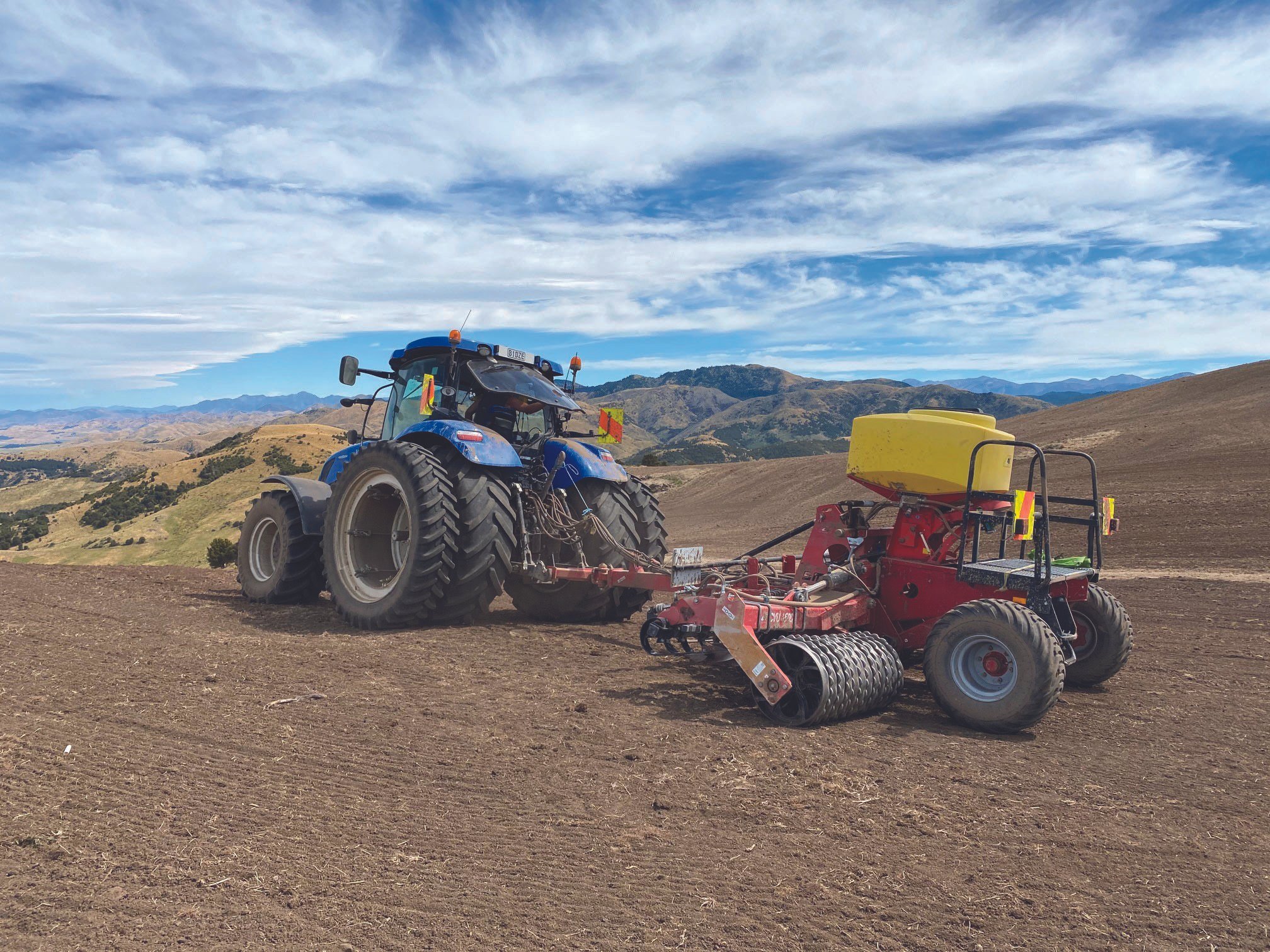
As autumn renewal approaches, the New Zealand Plant Breeders and Research Association is urging farmers to choose modern proprietary cultivars which are supported by years of investment, testing and development.
Choosing uncertified seed or unknown cultivar options (VNS seed) result in poorer strike rates and weed infestation.
Cheap pasture seed may also contain unknown and potentially low or non-existent endophyte, crucial for pasture persistence and good livestock performance.
PBRA chair Glen Jarvis says modern ryegrass cultivars are inoculated with new and known endophyte strains which are designed to reduce the effects of some performance-limiting livestock challenges and enhance persistence.
He says PBRA member companies deploy specific management systems to ensure endophyte levels and seed quality are maintained, and they also come with support and advice from experienced field staff.
“It might be tempting to consider buying cheap, uncertified seed, but the risk of poor pasture performance is high, as is the risk to on-farm biosecurity from the introduction of unwanted weeds,” he says.
“Buying seed of unknown quality and provenance buys a risk of high weed control costs and reduced pasture and animal productivity. The cost of additional management inputs and lost animal productivity can far exceed the premium paid for buying known and proven cultivar pasture seed.”
Many PBRA member companies make significant long-term investments in proprietary cultivar development, and Jarvis says farmers’ support is vital to maintain those programmes, so they continue to provide cultivars which perform better and mitigate some of today’s farming challenges.
Many proprietary cultivars currently on the market have been included in multiple National Forage Variety Trials across several regions, so farmers can compare their performance against other options in similar conditions to their own.
“Those trials are independently run and audited, so farmers can view the results, make their own selections with confidence and know the cultivar choice they make will provide value for their farm,” Jarvis says.
PBRA member companies have good supplies of proprietary ryegrass cultivars available for sowing this autumn.
Jarvis expects improving farmgate prices will positively impact the volume of new pasture sown in the months ahead.
“We’re still coming out of a period where cost pressures saw many farmers defer pasture renovation in favour of short-term options, especially in the red meat sector.
“Autumn 2025 saw the start of a turn-around, and as an industry we’re confident that continued solid farmgate returns will encourage farmers to buy on lasting productive value, not just price.”