
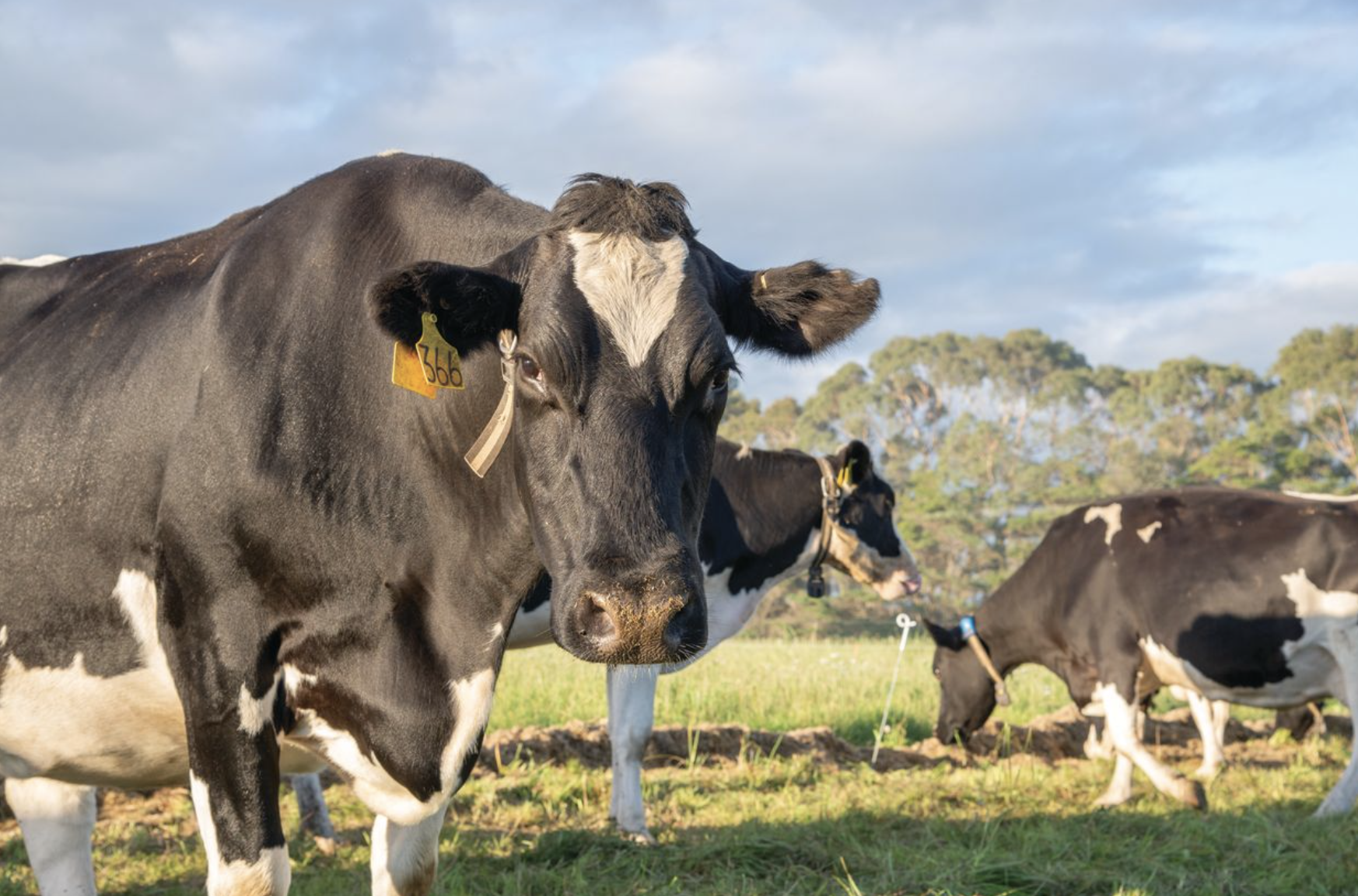
Managing internal parasites in dairy cattle: a strategic spring approach
New opportunities arise with the spring pastures greening up across New Zealand.
Kiwi farmers are turning the tide on parasites
A quiet optimism is spreading across New Zealand as farmers prove they can remain profitable and sustainable while managing an increasing range of drench-resistant parasites.
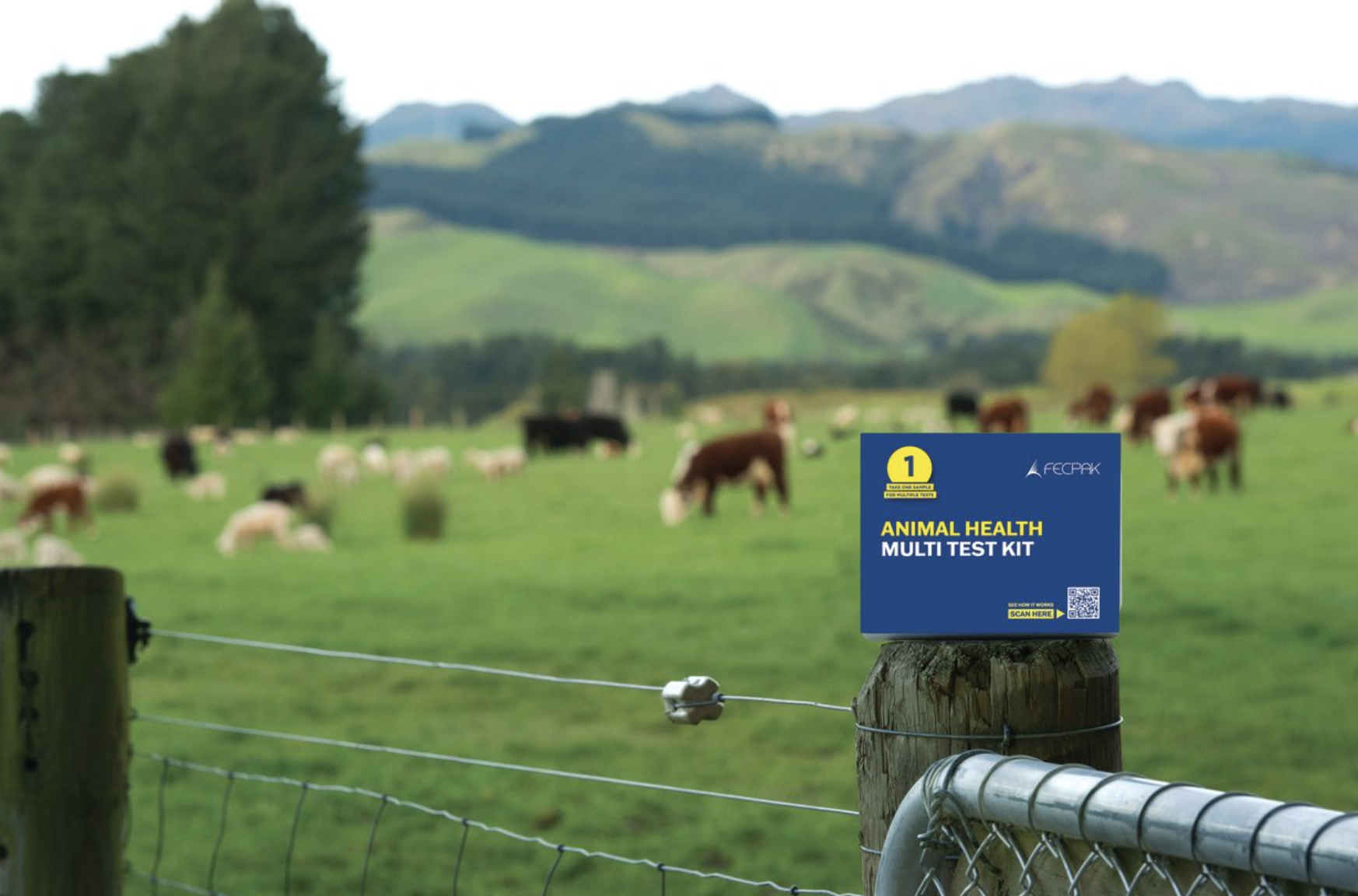
New testing tools target parasite threats
Farmers are set to benefit from a suite of new diagnostic tools from Techion over the next two years, including worm identification for cattle, coccidia testing for sheep, cattle and poultry, and tests for Bovine Viral Diarrhoea (BVD) and Johnes Disease (JD).
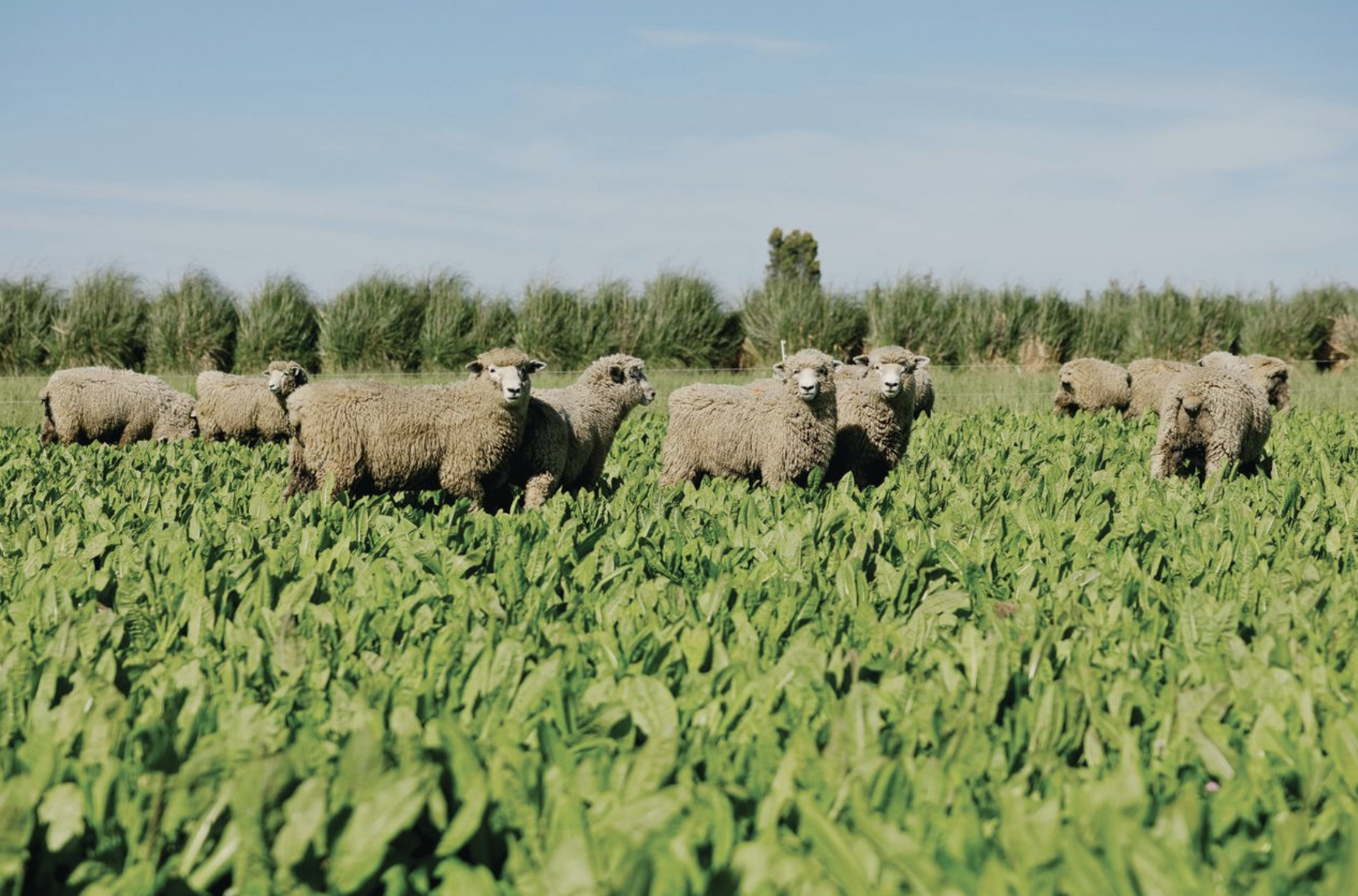
We can’t drench our way out of internal parasite challenges
For more than 60 years anthelmintics (drenches) have been the backbone of internal parasite control in sheep.
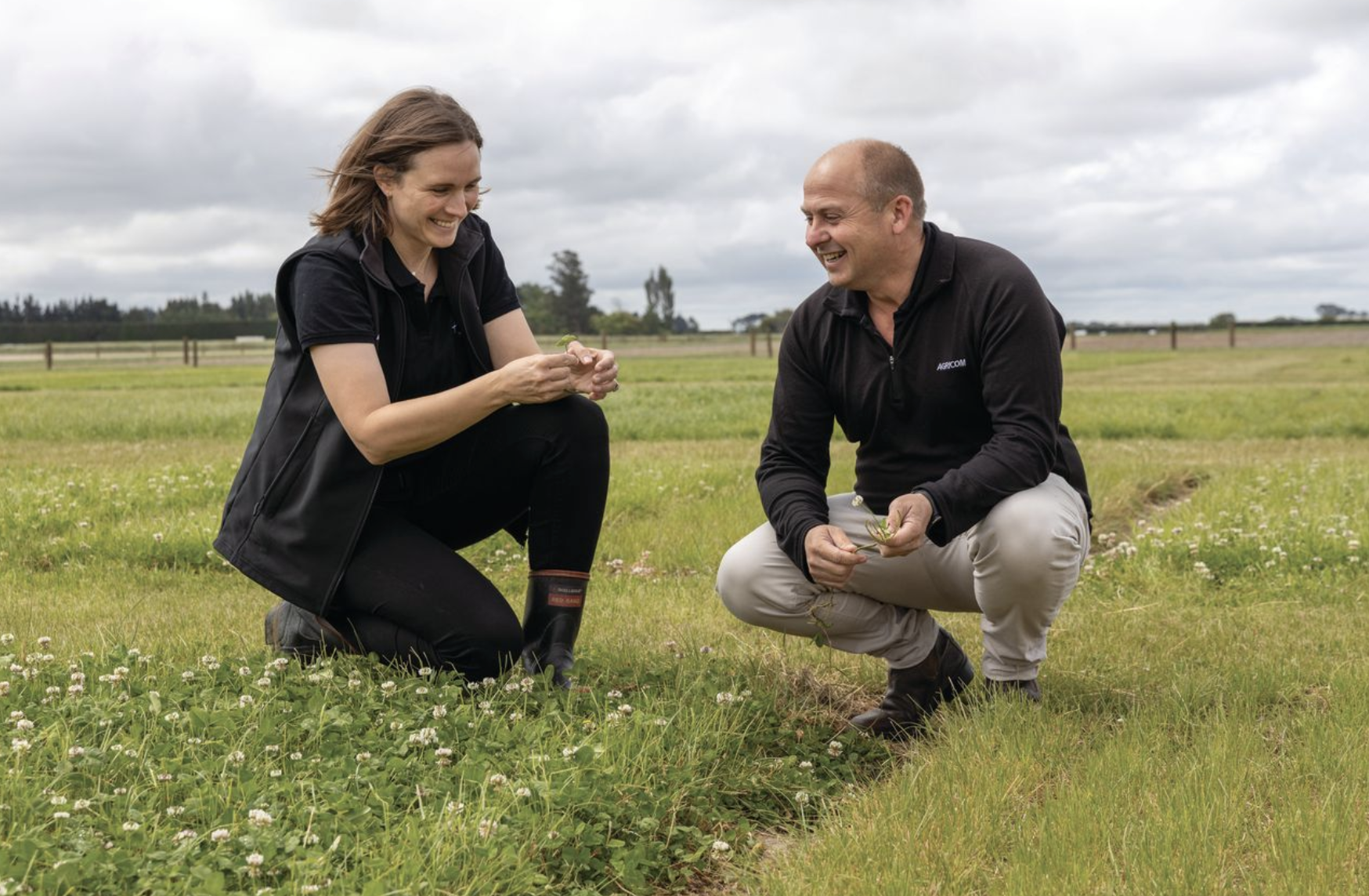
Driving farm profitability, one trial at a time
Imagine measuring the performance of 24,000 different paddocks every year. This is what makes up the day job of Agricom's five national agronomists.
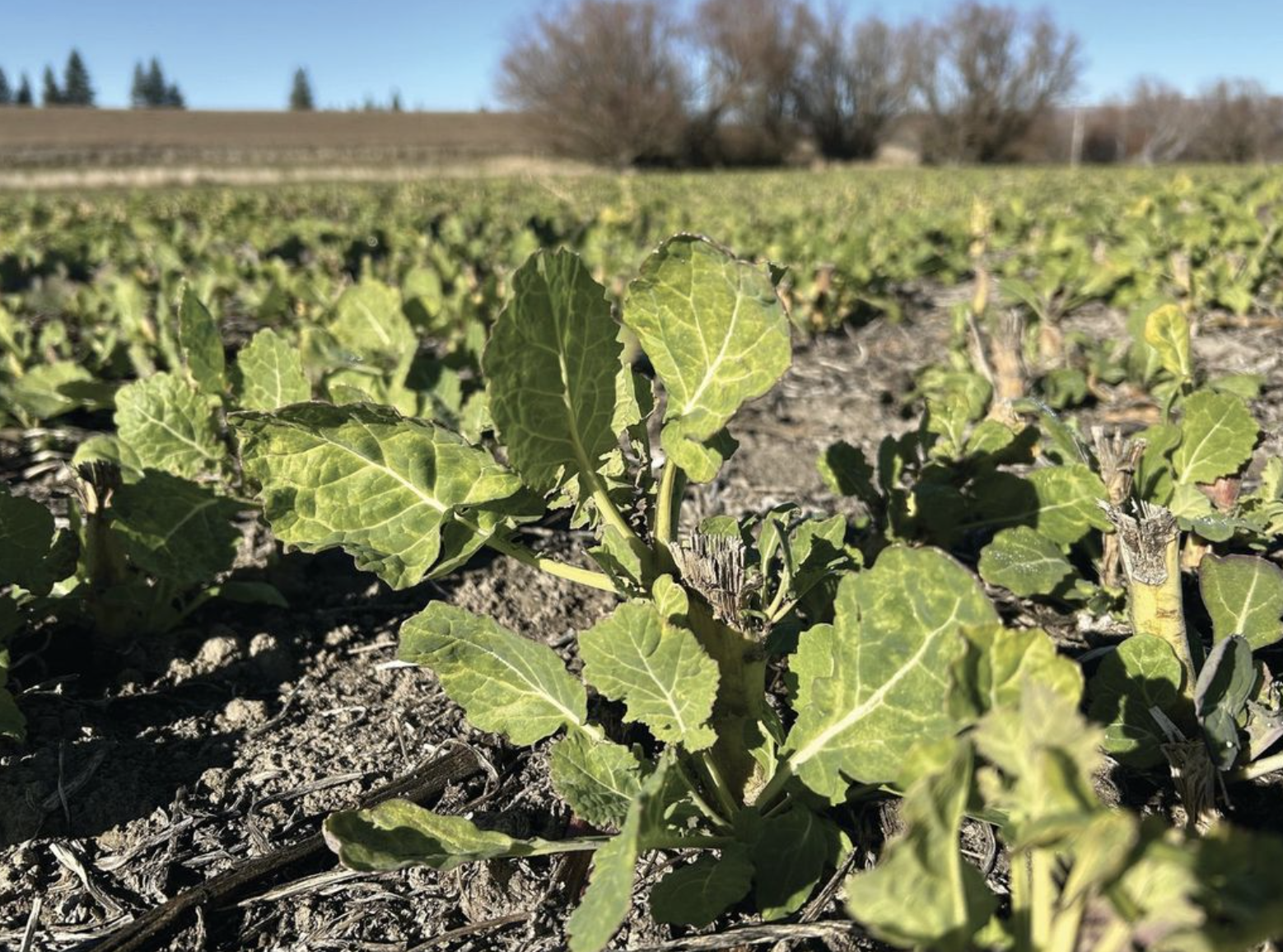
Growers see promise in new forage rape cultivar
It’s been a long time coming, but the first locally bred forage rape from one of New Zealand’s leading plant breeding companies is worth the wait, it says.
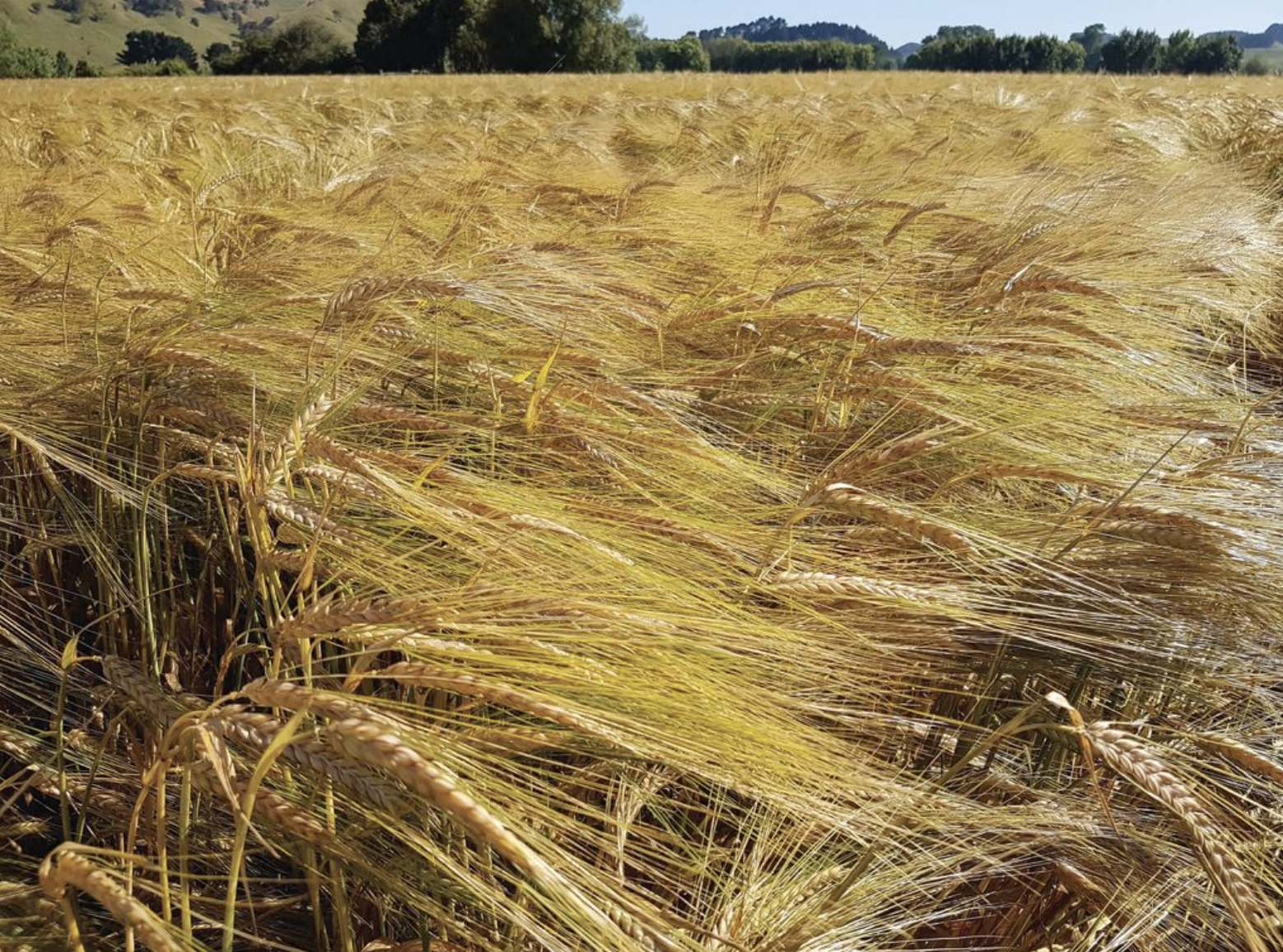
A new gold standard in pre-emergence herbicides
Launched into the New Zealand autumn cereal market earlier this year, Tower is already generating strong interest amongst agronomists and growers planning spring-sown barley and wheat programmes.
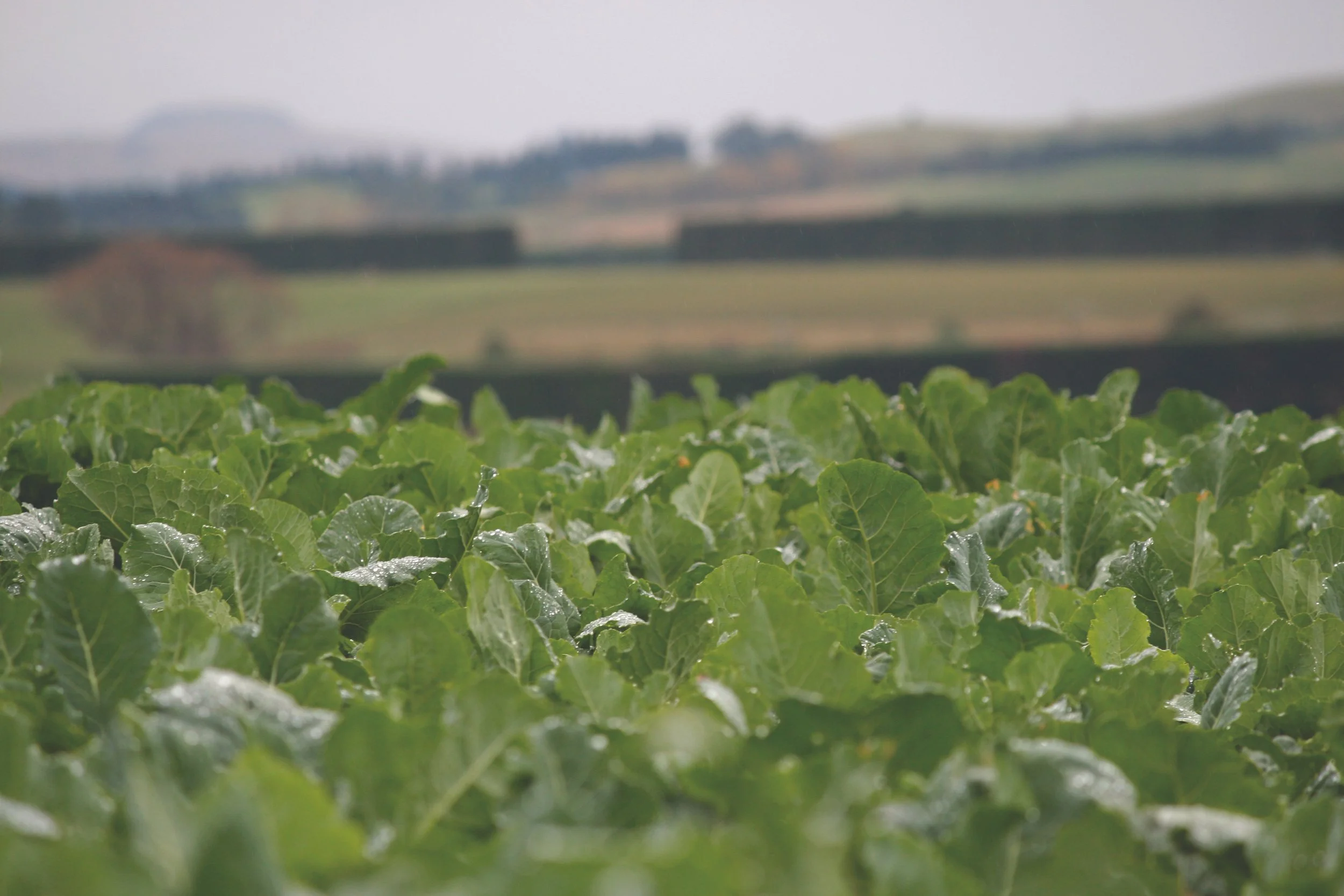
Unlock yield potential with better weed management
A new selective broadleaf herbicide from Nufarm broadens its forage brassica portfolio and introduces an alternative option for farmers looking to maximise their crops this season, the company says.
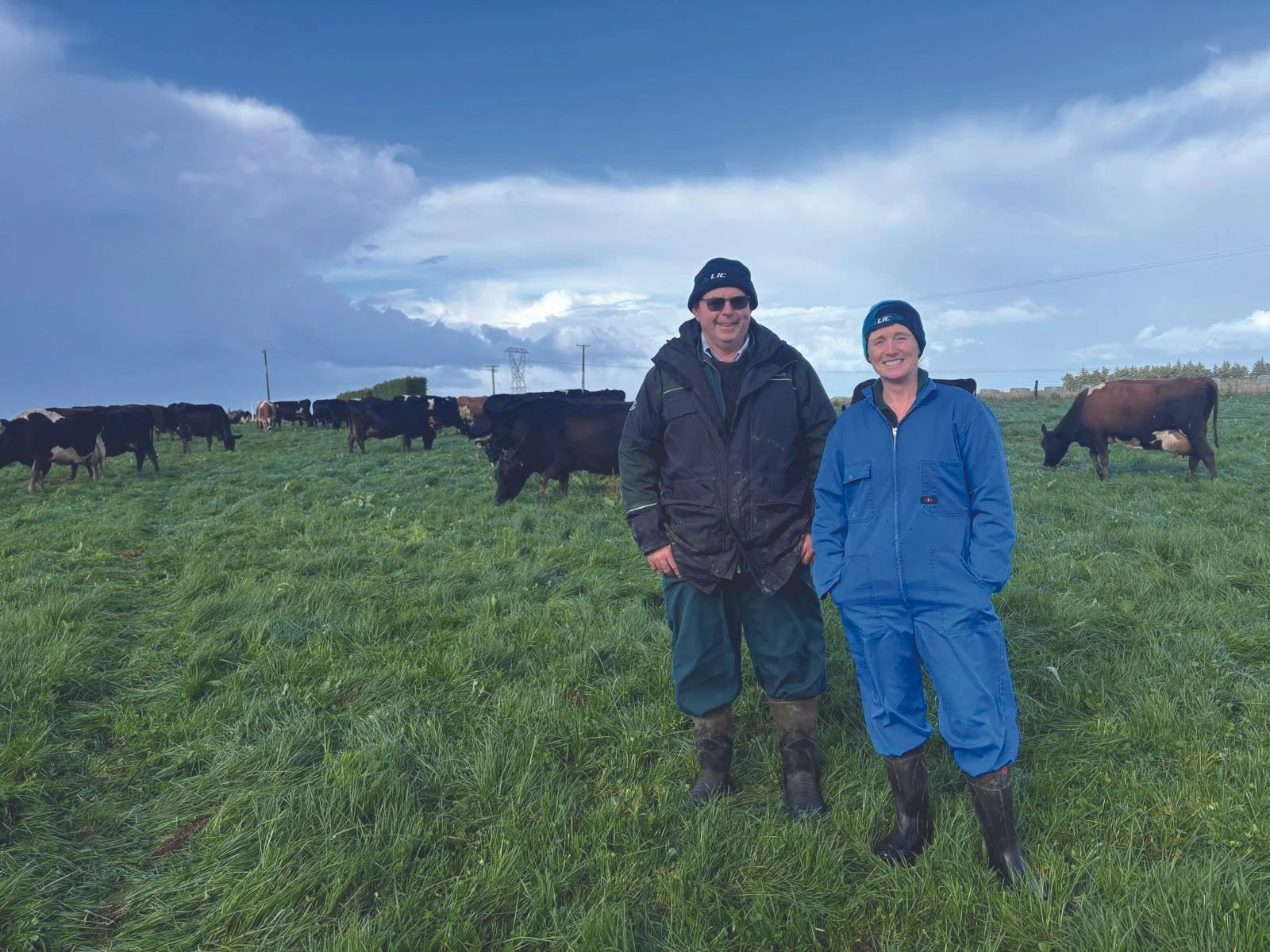
Southland couple adds value to every calf
On a fifth-generation Southland dairy farm, Suzanne and Maurice Hanning have reshaped their breeding strategy using sexed semen for the first time across the whole herd.
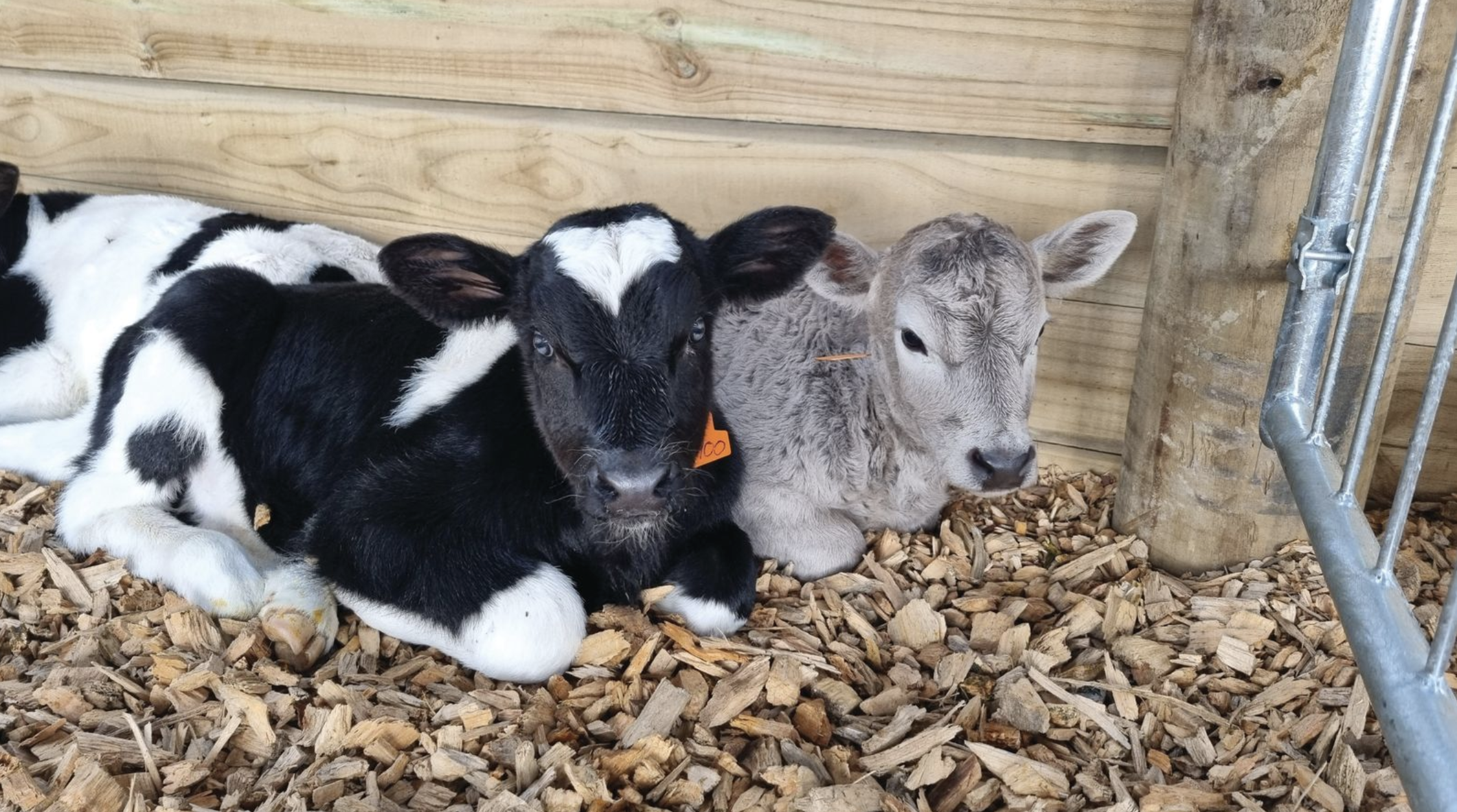
Turning bobbies into a billion dollar asset
Non-replacement dairy calves could become much more valuable if a new three year, Government backed industry programme succeeds.
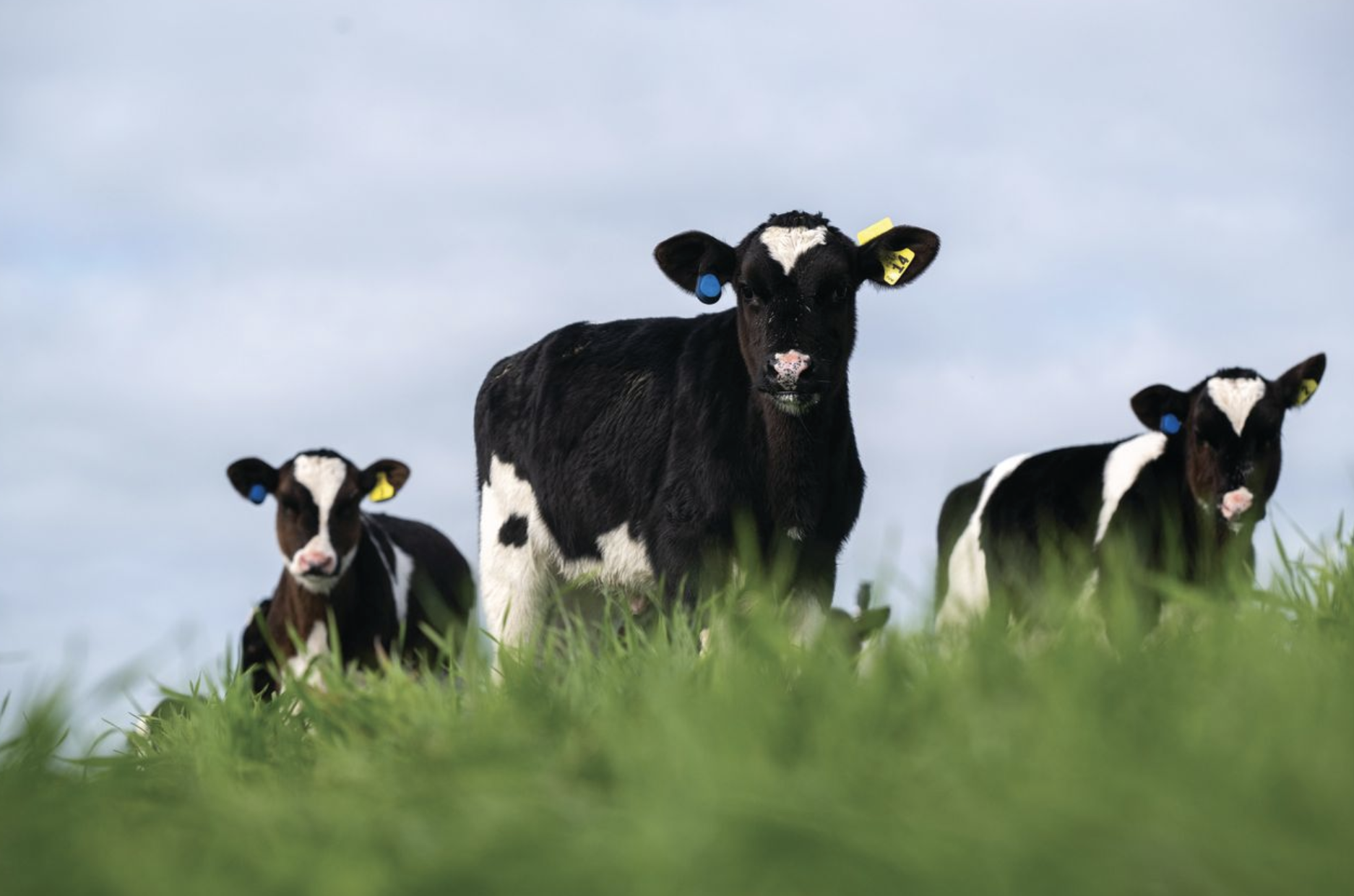
Help your farmers rear their best calves ever
If you haven’t yet brought yourself back up to speed with best practice calf rearing, a quick review of the essentials this month means you’ll be on point with customer support when the rush begins.
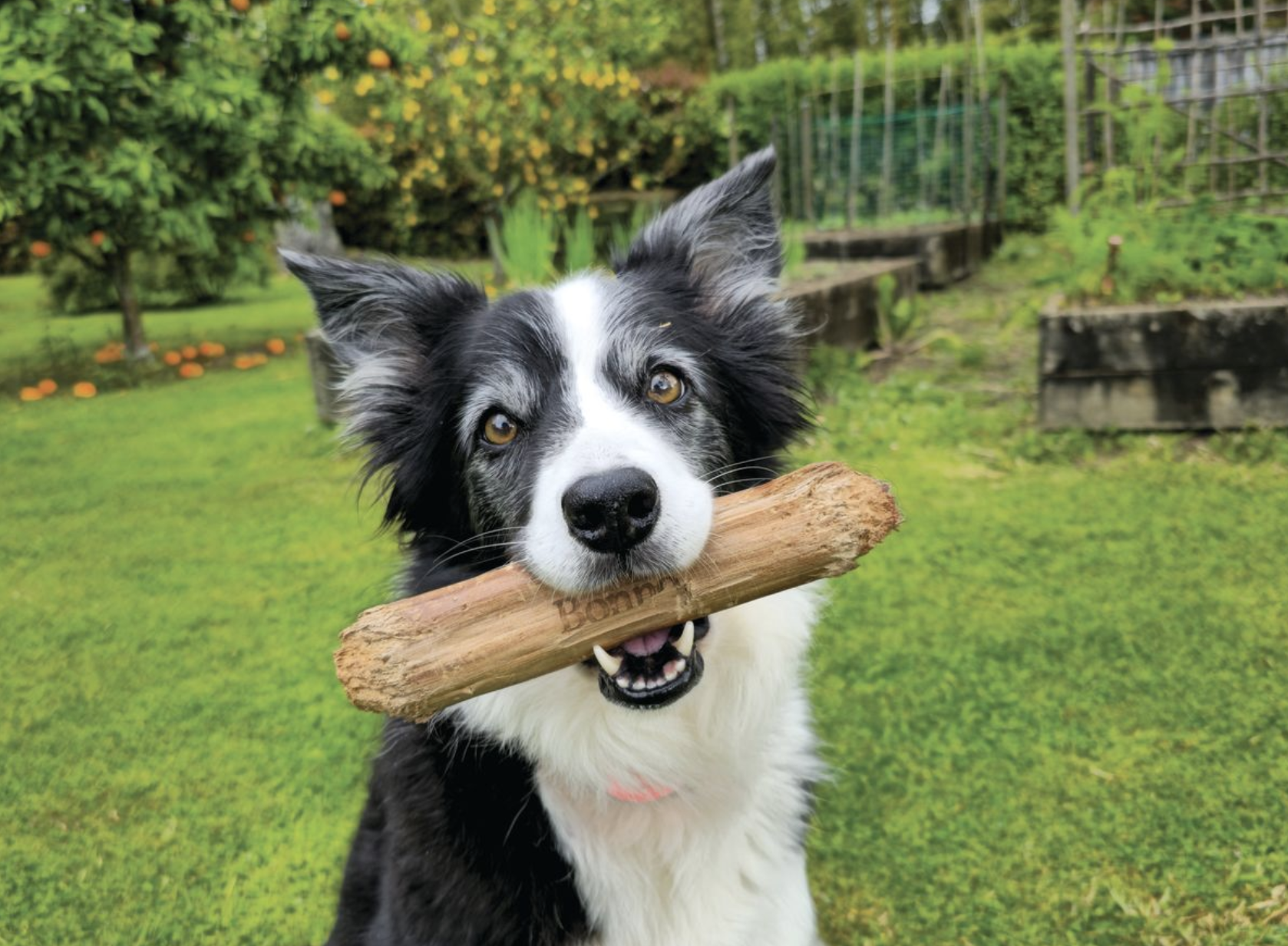
Barking up the right tree
Born out of a backyard moment in Northland, Bonno Dog Chews creates natural, eco-friendly dog chews made from waste mānuka wood.
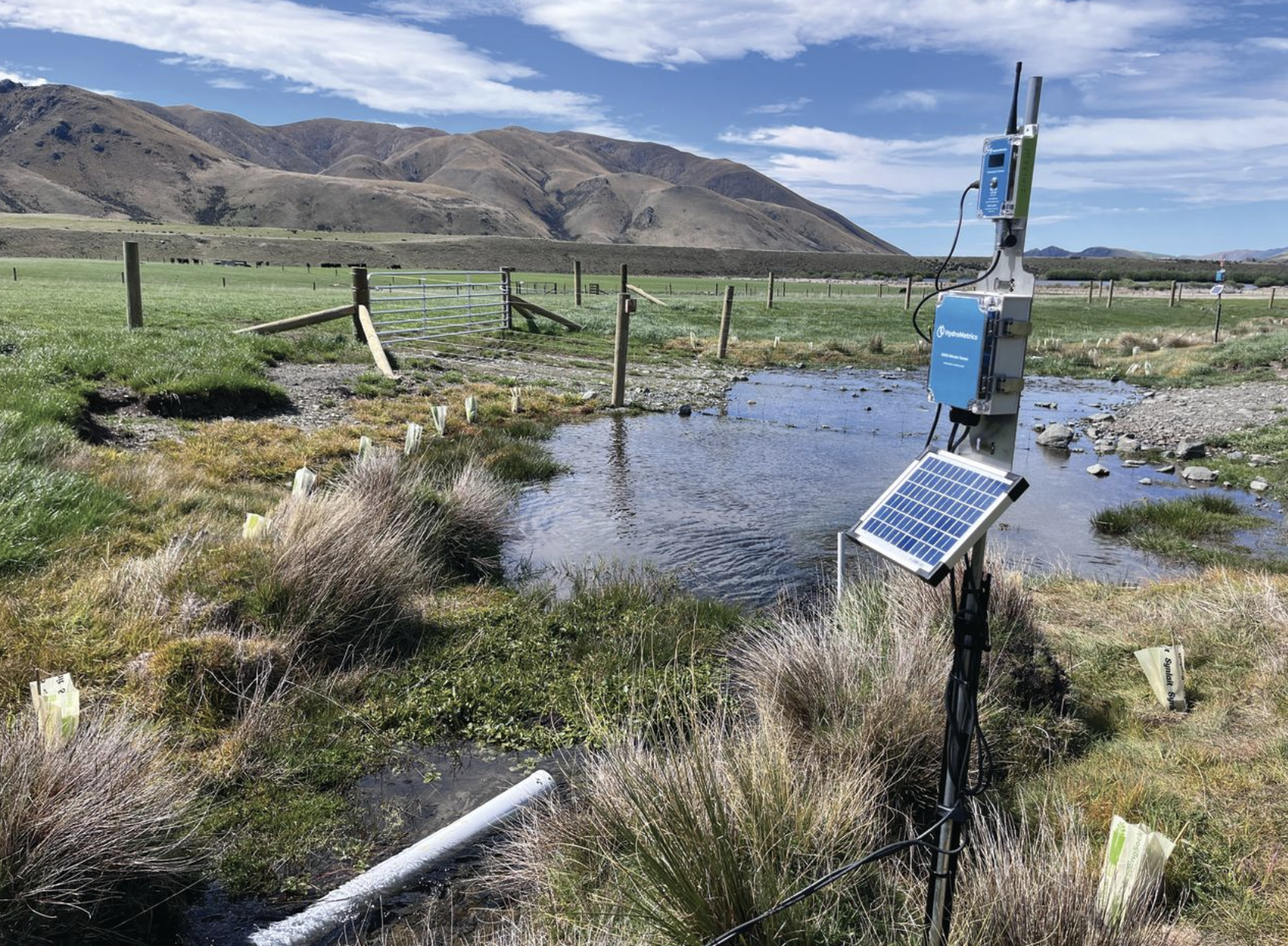
Smart sensors give real-time water insights
Farmers in Mid Canterbury are embracing technology to tackle one of agriculture’s biggest environmental challenges - nitrate in waterways.

Data tech transforms decisions in North Otago
With 14 staff and 32,000 stock units, Carey Pawson-Edwards doesn’t have time for clunky admin. He needs his data in the right place at the right time to make fast, informed decisions.
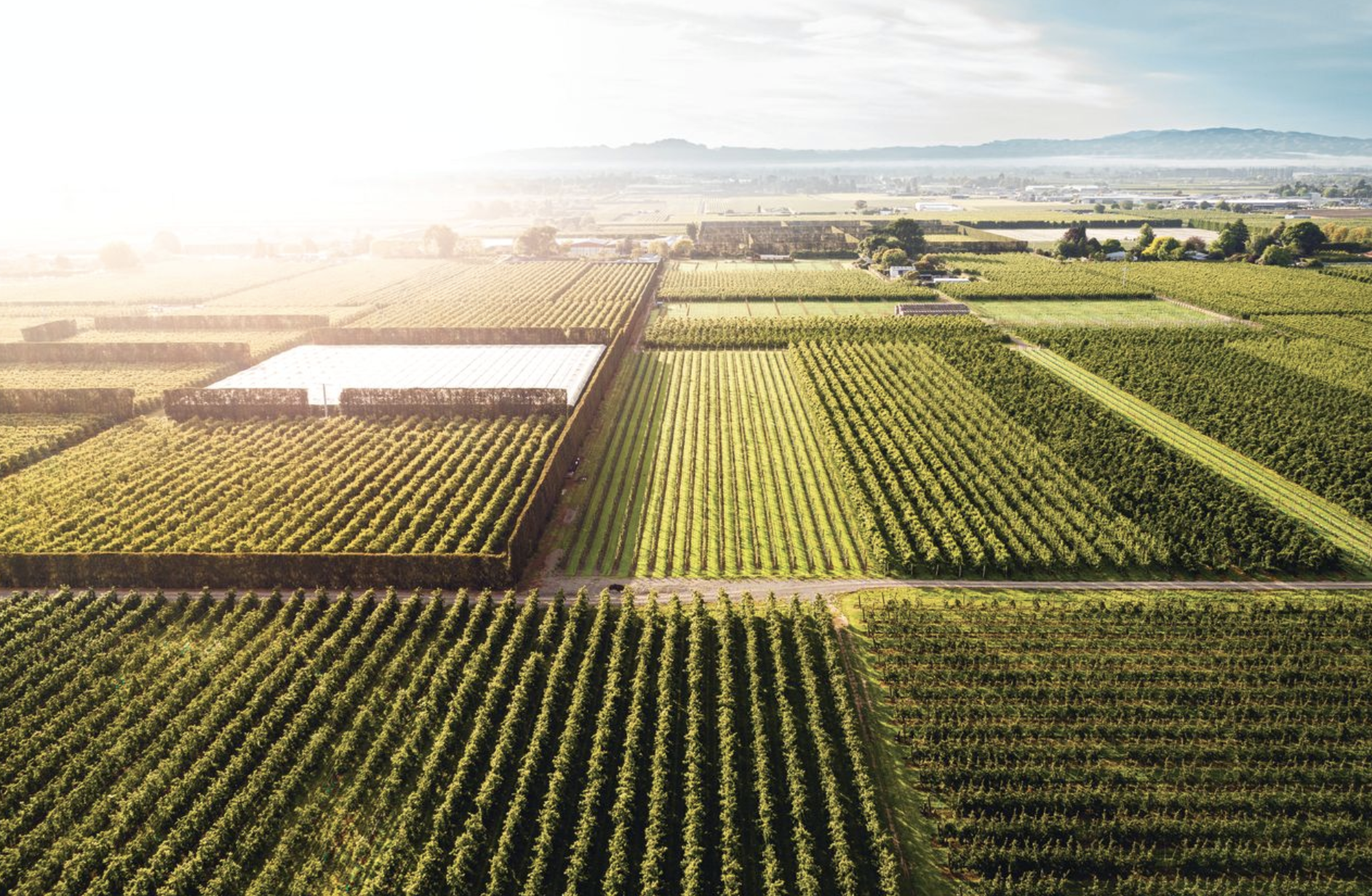
NZ-based innovation, product development and manufacturing
Delivering local crop protection solutions to New Zealand farmers and horticulturalists is at the core of Arxada NZ.
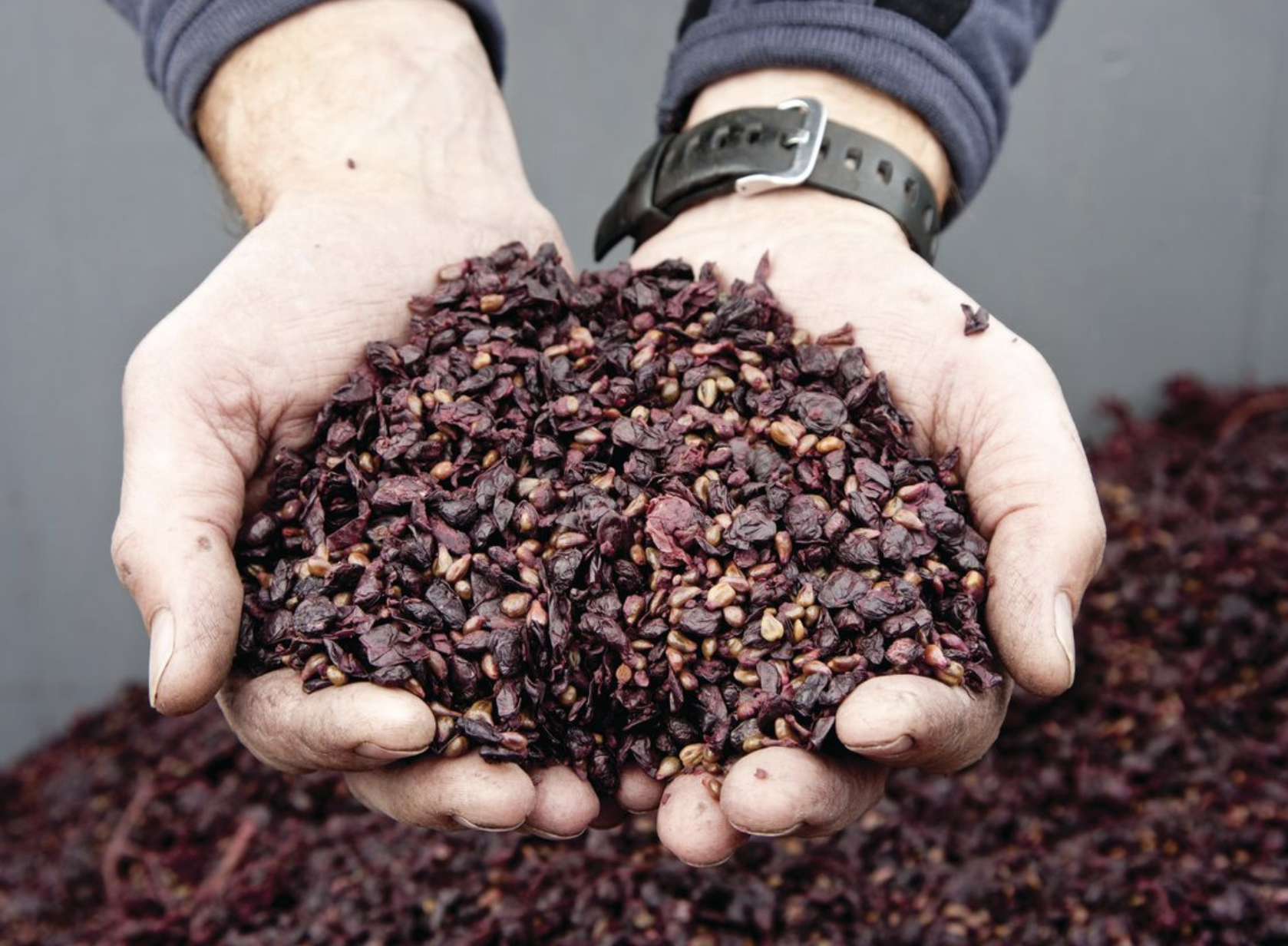
Unlocking the hidden value of grape marc
A New Zealand research collaboration is exploring a wide range of high-value uses for grape marc, the material left over after winemaking.
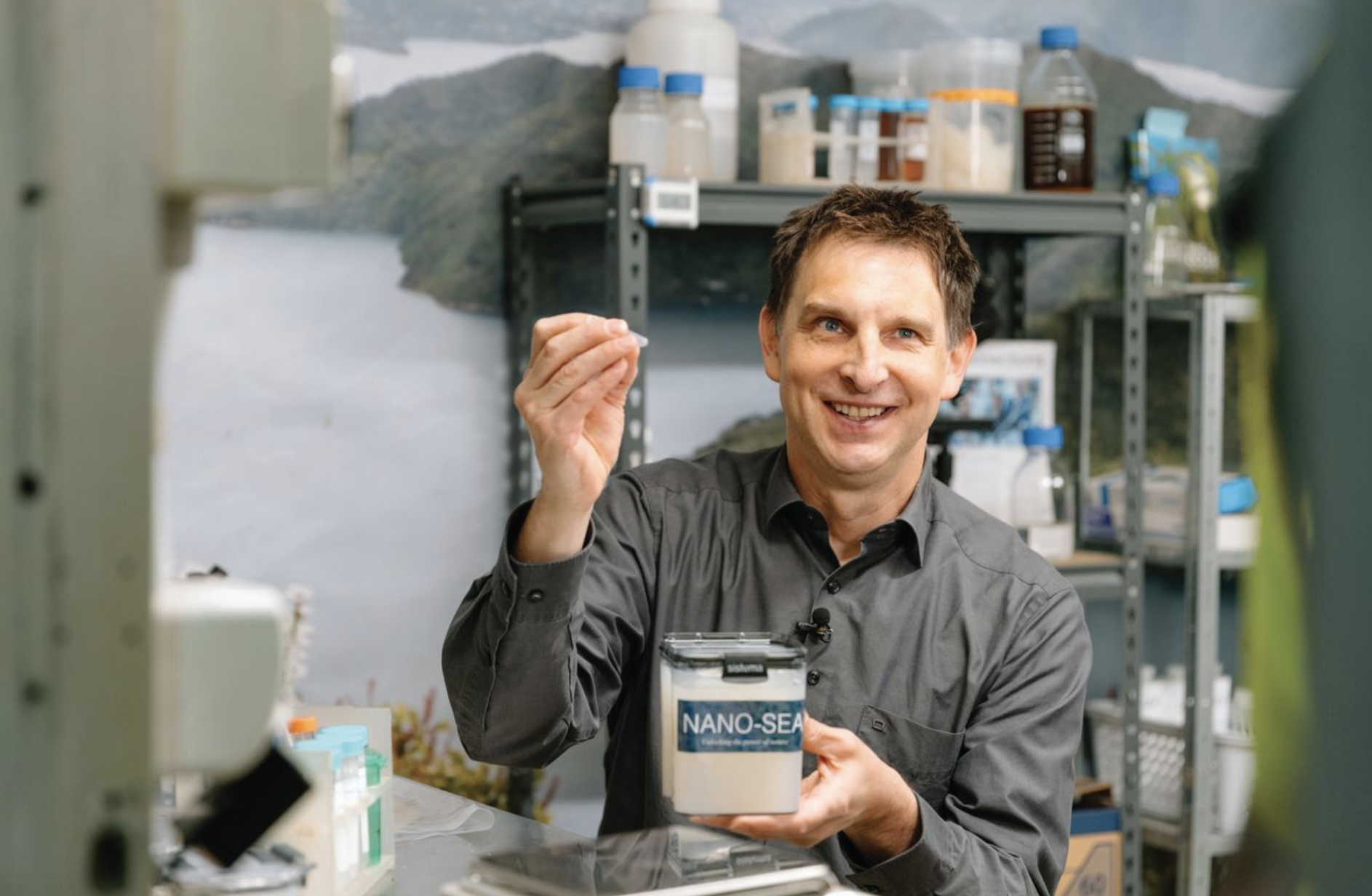
New biorefinery will create global impact using seaweed
The world’s first commercial seaweed nanocellulose biorefinery, which opened in Paeroa in October, will positively impact a range of industries while minimising waste.
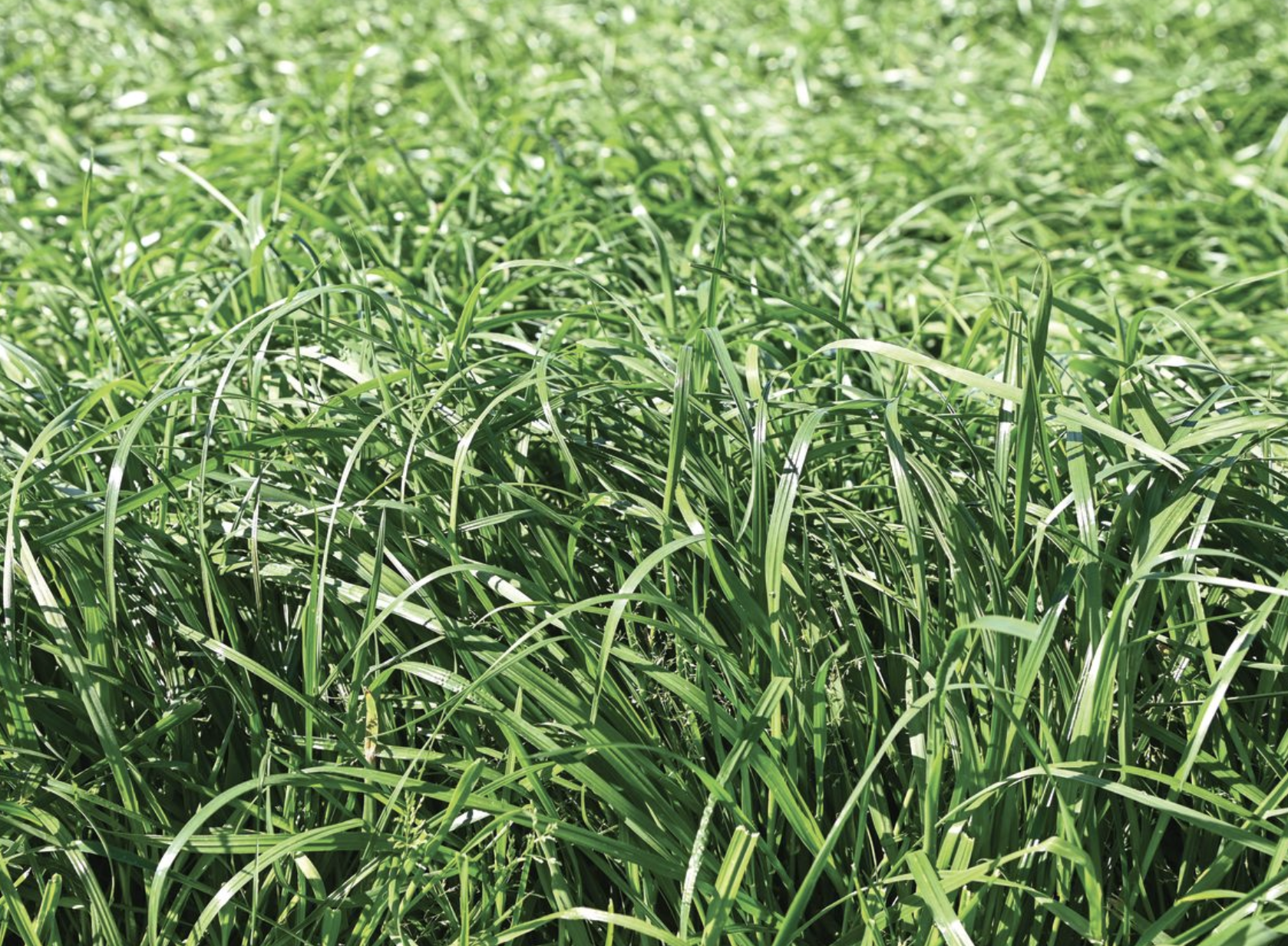
Introducing AR128 endophyte
Endophytes are naturally occurring fungi found inside many grass species, including ryegrass.
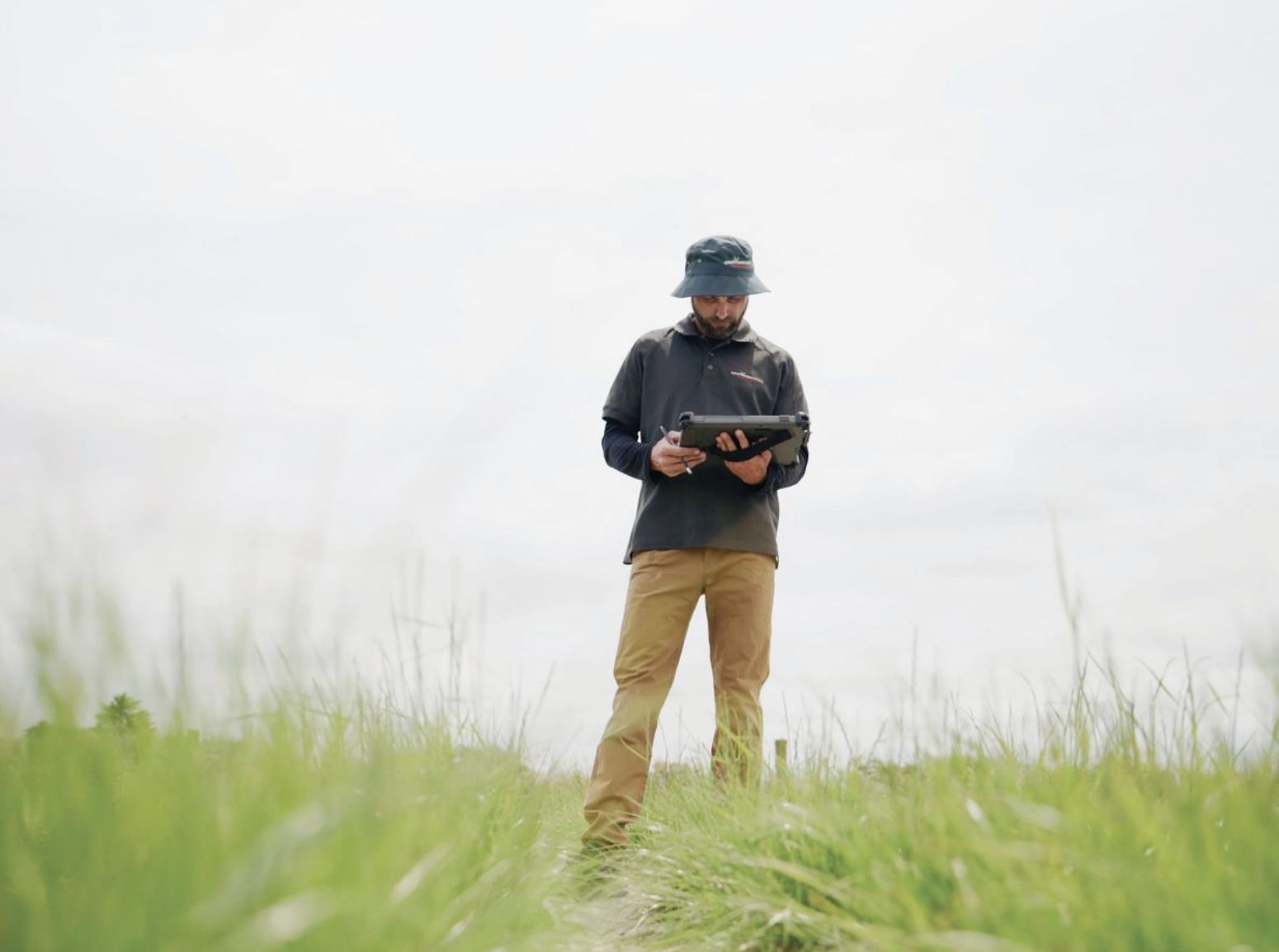
Long-shot research leads to pasture success
Ten years. At least 17,000 km. Millions of dollars. Countless hours spent on research and running DNA tests. Bootstrapped technology.
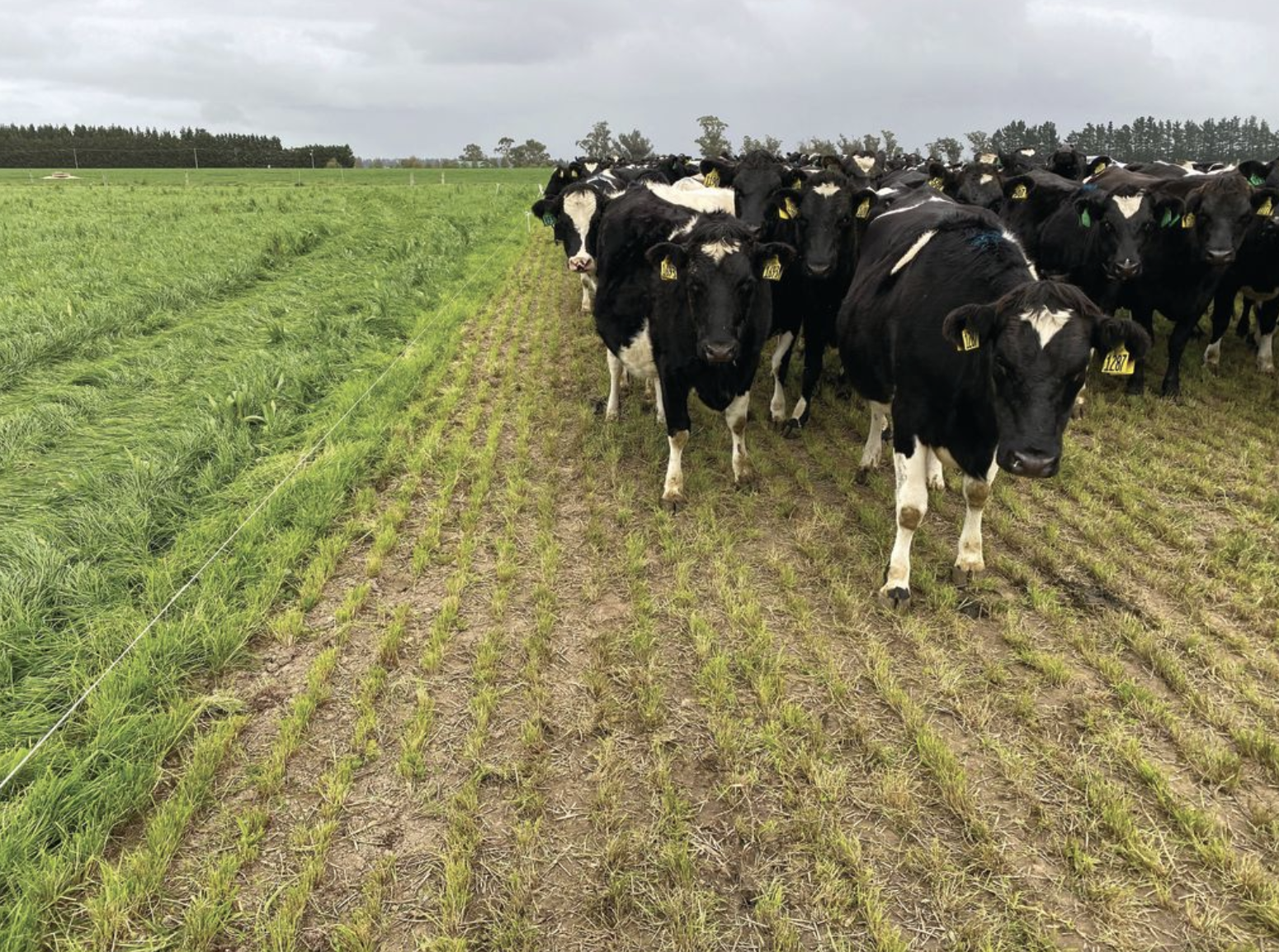
A couple of serious perennial ryegrasses
Legion and Reason are two of Agricom’s recent ryegrass releases, backed by years of farmer experience and proven performance in the paddock.