
Heat, humidity no friends to endophyte
New industry research investigating alternatives to woven polypropylene seed bags has also revealed stark data about the fragility of endophyte in ryegrass seed when it’s not cool-stored.
That’s according to Barenbrug, which says the findings merit close attention as another busy autumn pasture renewal season approaches.
The study was done by the Seed Industry Research Centre¹ at Lincoln, which is funded by a wide range of organisations, including research and tertiary institutes, seed breeding companies, producers and retailers.
Barenbrug national sales manager Jake Gardner says it proves even moderate heat and humidity is enough to kill endophyte in perennial ryegrass seed surprisingly quickly.
In fact, researchers found endophyte in seed stored at ambient temperature – at 15–25°C, with 65 per cent relative humidity – started dying after just three months.
That’s really important for farmers who rely on endophyte to protect their new pastures.
“Your customers need to sow seed with high levels of live endophyte to get the best out of their pasture renewal. Otherwise there’s a real risk of insect pest attack shortening the life of what should be a profitable, multi-year investment.”
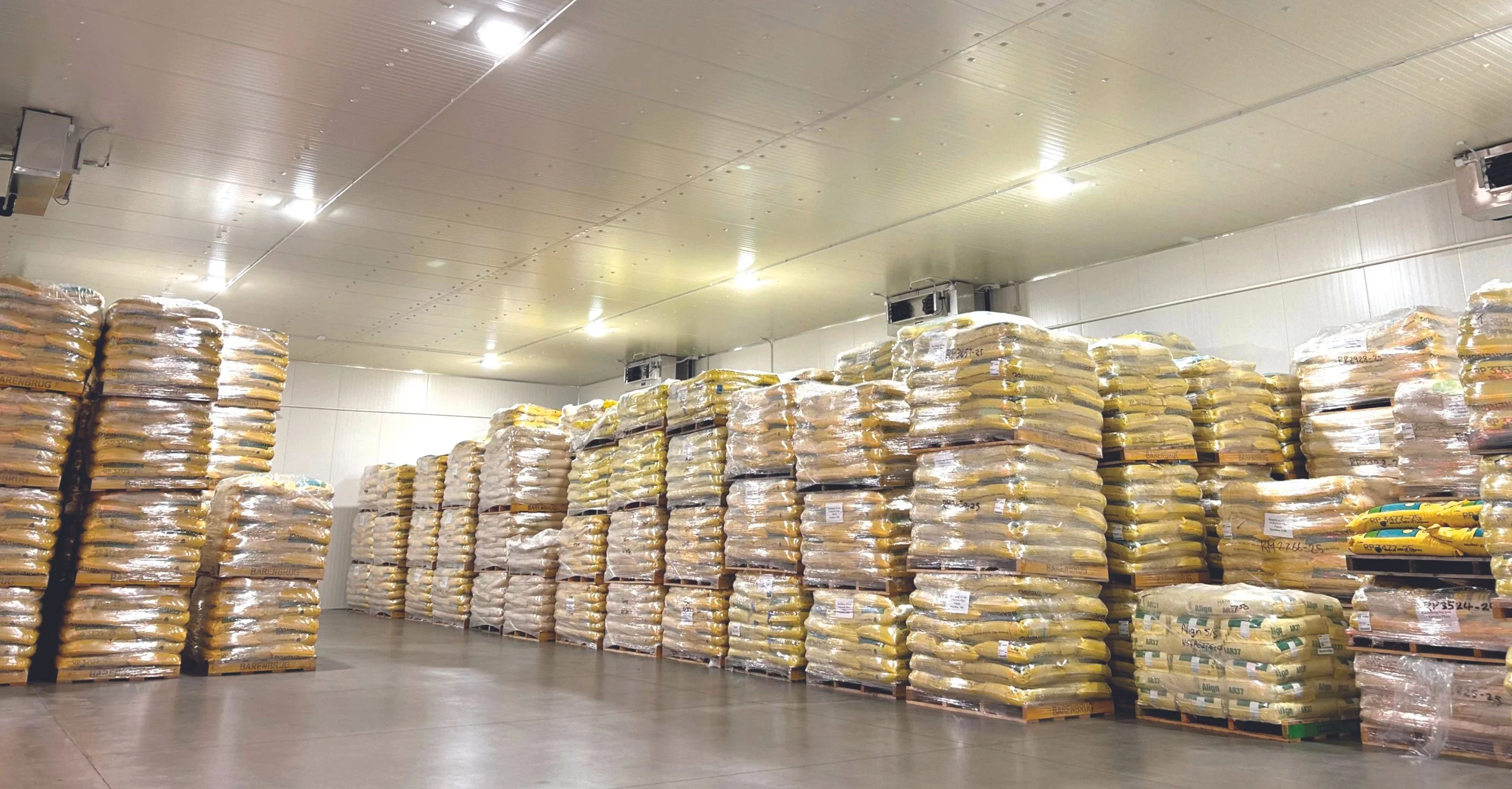
That’s why Barenbrug has invested in a 400 tonne Waikato cool store, as part of their North Island distribution centre.
The cool store has been purpose-built to keep endophytic ryegrass seed safe until as close to sowing as possible.
After all the work that goes into growing, harvesting and processing high quality seed, Gardner says, the company was not prepared to compromise on stewardship for this final step, even though the new facility adds hundreds of thousands of dollars to the company’s costs every year.
The new site complements Barenbrug’s existing cool storage in the South Island, where most seed is grown.
The new study compared endophyte viability in perennial ryegrass seed under different conditions – cool and dry (4°C, 30 per cent relative humidity); and ambient, as described above.
Gardner says the results are very relevant for resellers at this time of the year because the ambient research conditions are similar to what can be experienced in areas of the North Island in the lead up to autumn sowing.
“Endophyte has been known for years to be much more vulnerable to storage conditions than seed itself. That’s why we’ve always advised farmers to store seed carefully on farm; to only buy as much as they need for the season ahead, and not carry seed over into the next season, as it’s likely to lose endophyte.
“Now we’re taking that a step further and urging them to source their new pastures from suppliers who care about keeping endophyte alive in the seed. Anything other than correct cool storage puts endophyte at risk.”
That risk can be higher than many of your customers realise, he adds.
Most ryegrass seed sold for autumn renewal is at least 12 months old, as the window between harvest and sowing is too brief to process it all.
“So great stewardship and care are key.”
¹ Thant, Hampton, Rolston and Lawrie (2025).
Seed packaging bag types – impact on endophyte viability and seed quality in perennial ryegrass during storage