
Managing internal parasites in dairy cattle: a strategic spring approach
Words: Victoria Chapman, Zoetis.
New opportunities arise with the spring pastures greening up across New Zealand.
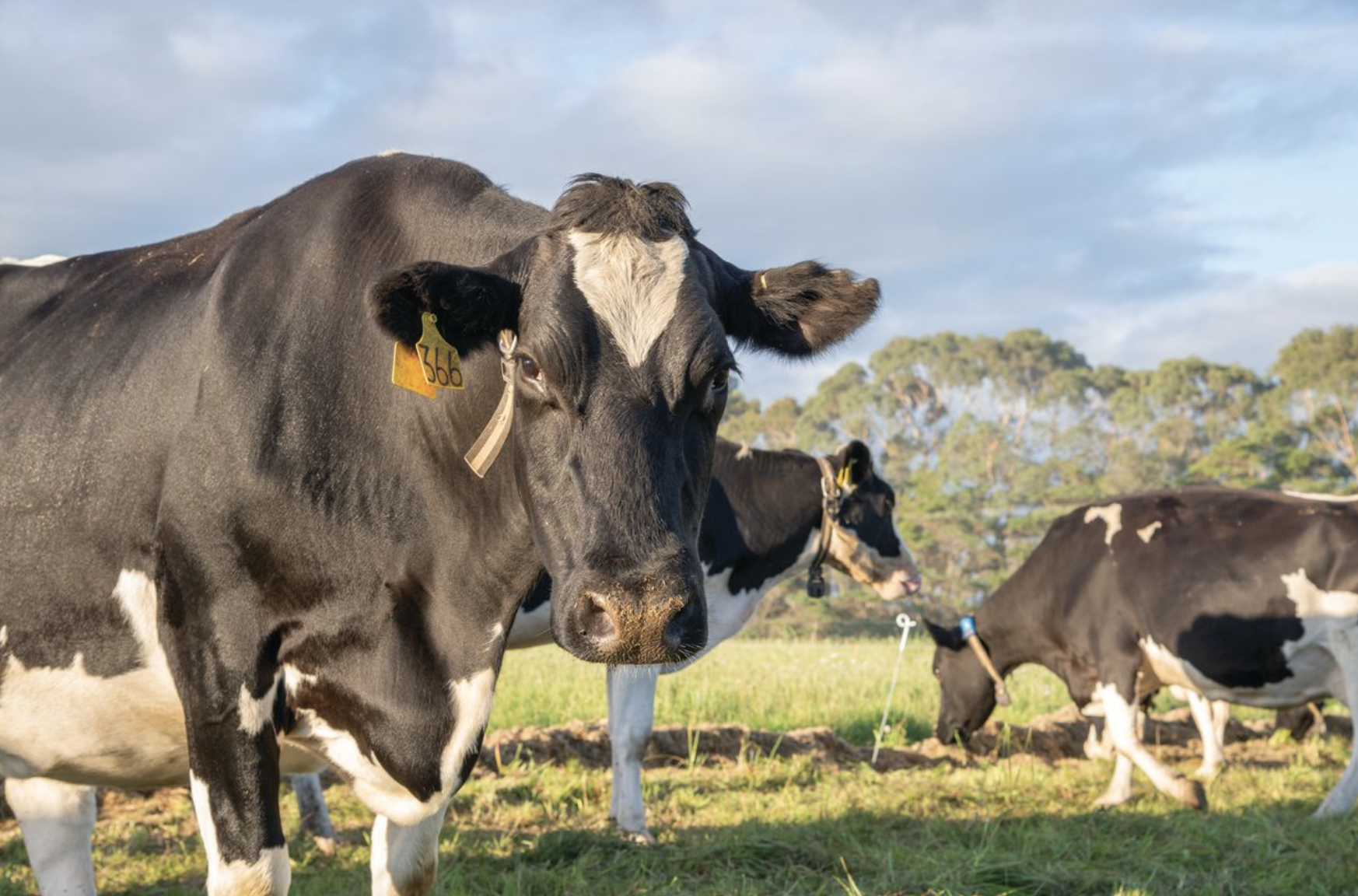
This seasonal shift also brings heightened parasitic challenges that can significantly impact productivity in dairy herds.
Internal parasites, particularly gastrointestinal nematodes and lungworm pose serious threats to dairy heifers, cows, and rising yearlings during this period.
Understanding parasite pressure and implementing effective control strategies can help optimise animal performance and health.
Spring conditions create the perfect storm for parasitic infection.
Warmer temperatures and increased moisture accelerate the development of infective larvae on pasture.
Rising one-year-old heifers (and beef steers) are particularly vulnerable.
While they have developed some immunity through previous exposure, they lack the robust resistance of mature cattle.
Spring grazing in contaminated pasture exposes them to larval burdens that can compromise weight gains, delay growth targets, and ultimately postpone breeding or finishing dates.
Similarly, dairy heifers intended for the replacement herd must achieve critical weight benchmarks; parasitic gastroenteritis can derail these targets, affecting future productivity and herd profitability.
Dairy cows are also at risk. While they have immunity to parasites, this immunity doesn’t come for free!
Protein and energy must be partitioned away from milk production, body condition or reproduction to deal with the challenge.
The effects of parasitism extend beyond obvious clinical disease.
While severe infections may cause scouring, weight loss, ill-thrift, and even death (by type II Ostertagiosis in heifers and even older cows around calving), subclinical parasitism is often more economically damaging because it goes unrecognised.
Infected animals may appear healthy but experience reduced conversion efficiency, depressed growth rates, and compromised immune function.
In dairy cows, this translates to reduced milk production.
Studies in New Zealand and overseas have demonstrated that parasitised cows can produce many kilos of milk solids less per lactation than their treated counterparts1,2, 3,4.
Lungworm (Dictyocaulus viviparus) presents more of a summer and autumn threat, particularly in young stock.
Clinical signs include respiratory distress and coughing, but subclinical infections still impair growth and performance.
Effective parasite management in spring requires a product that combines broad-spectrum efficacy, ease of use, and extended protection.
Cydectin Pour-On, containing moxidectin, stands out as the premium choice for these stock classes for several reasons.
Firstly, Cydectin provides extended persistent activity, longer than most alternatives, controlling key parasites Ostertagia ostertagi for 35 days, which is the most economically significant gutworm in cattle.
It also controls Trichostrongylus axei for 28 days and lungworm for 42 days in addition to many others for 28-42 days.
This prolonged protection is particularly valuable in spring, enabling ingestion of infective larvae at no cost to the animal.
It’s a bit like preventing weeds growing in your driveway by using a pre-emergent spray!
Secondly, the zero milk withholding period means dairy cows can be treated without disrupting production, while the zero meat and bobby calf withholding periods add even greater flexibility.
And it’s an easy to use, proven, effective, pour-on.
Thirdly, in research trials Cydectin has demonstrated excellent efficacy against all stages of parasites on the label.
This includes the inhibited larvae which are the arrested developmental stages of parasites that lie dormant in the gut wall through winter and emerge in spring to cause sudden disease and pasture contamination (Type II Ostertagiosis).
Treating cows and heifers in spring with Cydectin Pour-On effectively eliminates this reservoir.
For optimal results, treat dairy cows at or shortly after calving so ingestion of larvae doesn’t impact their production and upcoming reproductive performance.
Rising yearling heifers and steers can be treated at the same time.
Combine anthelmintic treatment with grazing management strategies such as rotational grazing after older stock and good feeding to minimise reinfection pressure.
By choosing Cydectin Pour-On and applying it strategically in spring, dairy farmers can protect animal health, maximise productivity, and secure a strong foundation for the season ahead.
References:
1 Murphy, A. The effect of treatment with moxidectin, a long acting endectocide, on milk production in lactating dairy cows Buiatrics World Congress, 1998.
2 McPherson WB, et al. Effect of a peri-parturient eprinomectin treatment of dairy cows on milk production NZVJ, 2001.
3 Sanchez J, et al. A meta-analysis of the milk-production response after anthelmintic treatment in naturally infected adult dairy cows Preventive Veterinary Medicine, 2004.
4 Geurden T. et al. A multi-country study to assess the effect of a treatment with moxidectin pour-on during the dry period on milk production in dairy cows Vet Parasitol 2017.