
Rare alert reveals hort’s sketchy underside
Tax evasion is so rife in New Zealand horticulture Inland Revenue (IR) has issued a rare Revenue Alert about non-compliance in the multi-billion dollar sector, and announced a crackdown on any business activity it deems suspicious.
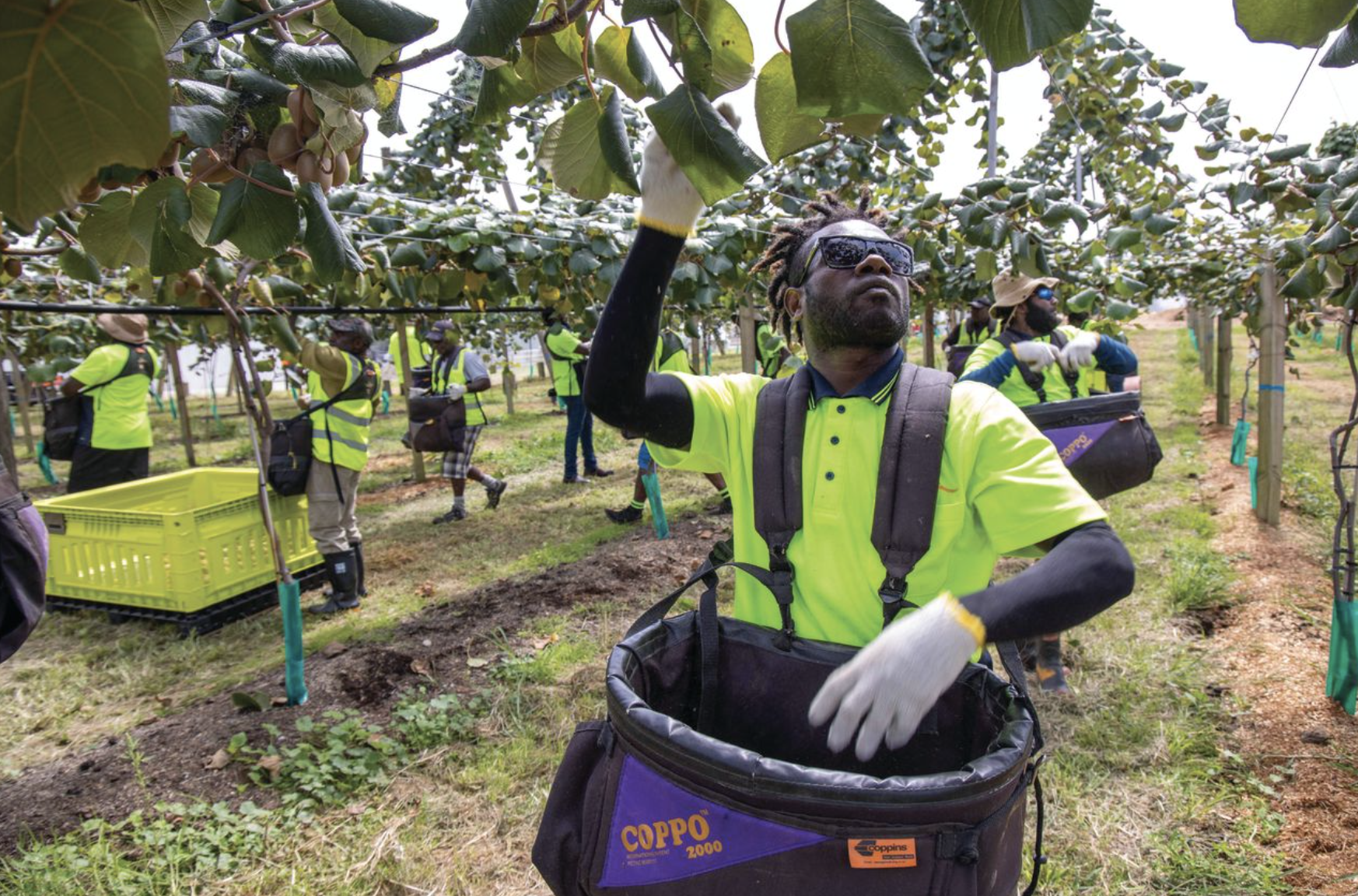
HortNZ and New Zealand Kiwifruit Growers support the action.
In the 12 months to June 30, IR says it opened around 130 investigations into horticulture businesses, involving $7.2 million in discrepancies, with 45 cases are still open.
In June last year, IR announced it had found $45 million in undeclared tax in the horticultural sector in the previous 10 months.
It says dodgy industry practices like cash payments, false invoices, and under-reporting of GST, PAYE and income tax are serious enough to pose a significant risk to the integrity of the tax system.
And it will sharpen its focus on growers, contractors and subcontractors as a result.
Horticulture has been repeatedly lauded as a star of New Zealand’s export sector.
In its latest Situation and Outlook for Primary Industries, the Ministry for Primary Industries predicts it will earn approximately $9.5 billion in export revenue for the year to 30 June.
Inland Revenue says concerning practices in the industry include workers being paid in cash, complex contracting arrangements being used to obscure what’s really going on, and obligations under the schedular payments rules not being met.
It is now increasing its scrutiny of new applications for GST registration by entities in the horticultural sector.
This includes companies that may have been set up for the sole purpose of issuing false invoices.
“If an entity isn’t carrying on a taxable activity (or isn’t intending to carry on a taxable activity) its GST registration application will be declined,” IR says.
It is also looking into non-compliance with schedular payment obligations and the use of certificates of exemption and tailored tax rates by taxpayers in the sector.
“Inland Revenue is also concerned about broader non-compliance with GST, PAYE and income tax obligations in relation to the supply of labour in the horticultural sector.”
Kate Scott, chief executive of HortNZ, says most growers work hard to do the right thing and operate responsibly in a complex regulatory environment.
“Where poor practice occurs, it should not be tolerated.
“Non-compliance undermines workers, compliant businesses and confidence in the horticulture sector.
“New Zealand horticulture depends on a trusted, sustainable workforce and a level playing field for all businesses operating in the sector.”
Colin Bond, CEO of New Zealand Kiwifruit Growers, says it’s important government organisations proactively lead in making sure growers and contractors meet their tax and employment obligations, particularly as industry bodies’ enforcement is often limited.
Approximately 17,000 overseas workers are brought into the country each year under the Recognised Seasonal Employer (RSE) scheme for seasonal labour in horticulture and viticulture.