
Gisborne's growing kiwifruit industry is set to gain a significant boost, with Seeka planning a $15.5 million investment in new packing and coolstorage infrastructure to support increasing production volumes and keep more fruit handling within the region.
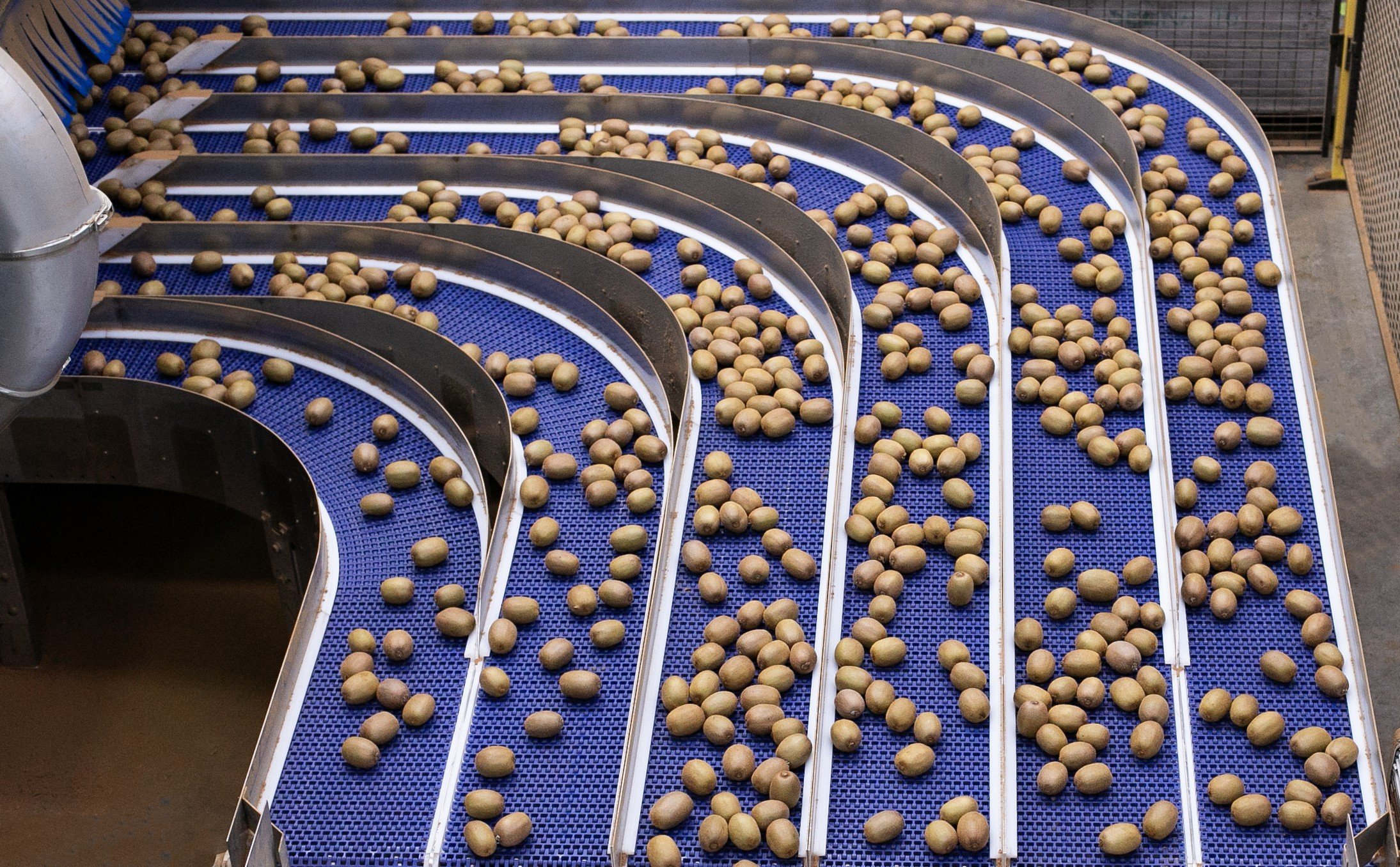
Seeka has received approval to progress a tenancy agreement with Gisborne District Council for the development of a new packhouse and coolstore facility next to its existing Gisborne operations.
The investment will significantly expand kiwifruit handling capacity in the region as production continues to grow, while ensuring local growers have access to locally based packing and storage facilities staffed by local people when they need them.
It is also expected to increase utilisation of Eastland Port and support wider regional export activity.
Gisborne already plays an important role in Seeka's operations.
During the 2026 season, the company handled approximately 2.5 million trays of SunGold kiwifruit from the region, alongside growing volumes of RubyRed kiwifruit, persimmons and citrus.
The new facility is expected to create approximately five permanent positions and up to 70 seasonal and casual roles, while providing growers with access to local fruit handling, packing, coolstorage and operational infrastructure.
Seeka Chief Executive Michael Franks says the investment reflects the company's long-term commitment to both the Gisborne region and its growers.
"This investment will provide infrastructure that supports growers and horticultural production in the region. It will create jobs, support local economic activity and help keep fruit handling and storage closer to where produce is grown."
The facility will enable fruit to be packed and stored within the region before being shipped to market, helping reduce the impact of transport disruptions and improving resilience when key transport routes are affected.
The project aligns with Seeka's strategy of investing in high-quality regional infrastructure close to where crops are grown.
The approach is designed to reduce pressure on transport networks while strengthening the resilience of horticultural supply chains during adverse weather events.
The announcement follows a strong period of performance for the company, which recently reported a record six-month profit, reduced debt and increased full-year earnings guidance while continuing to invest in automation, operational capability and infrastructure across its business.