
Growers see promise in new forage rape cultivar
It’s been a long time coming, but the first locally bred forage rape from one of New Zealand’s leading plant breeding companies is worth the wait, it says.
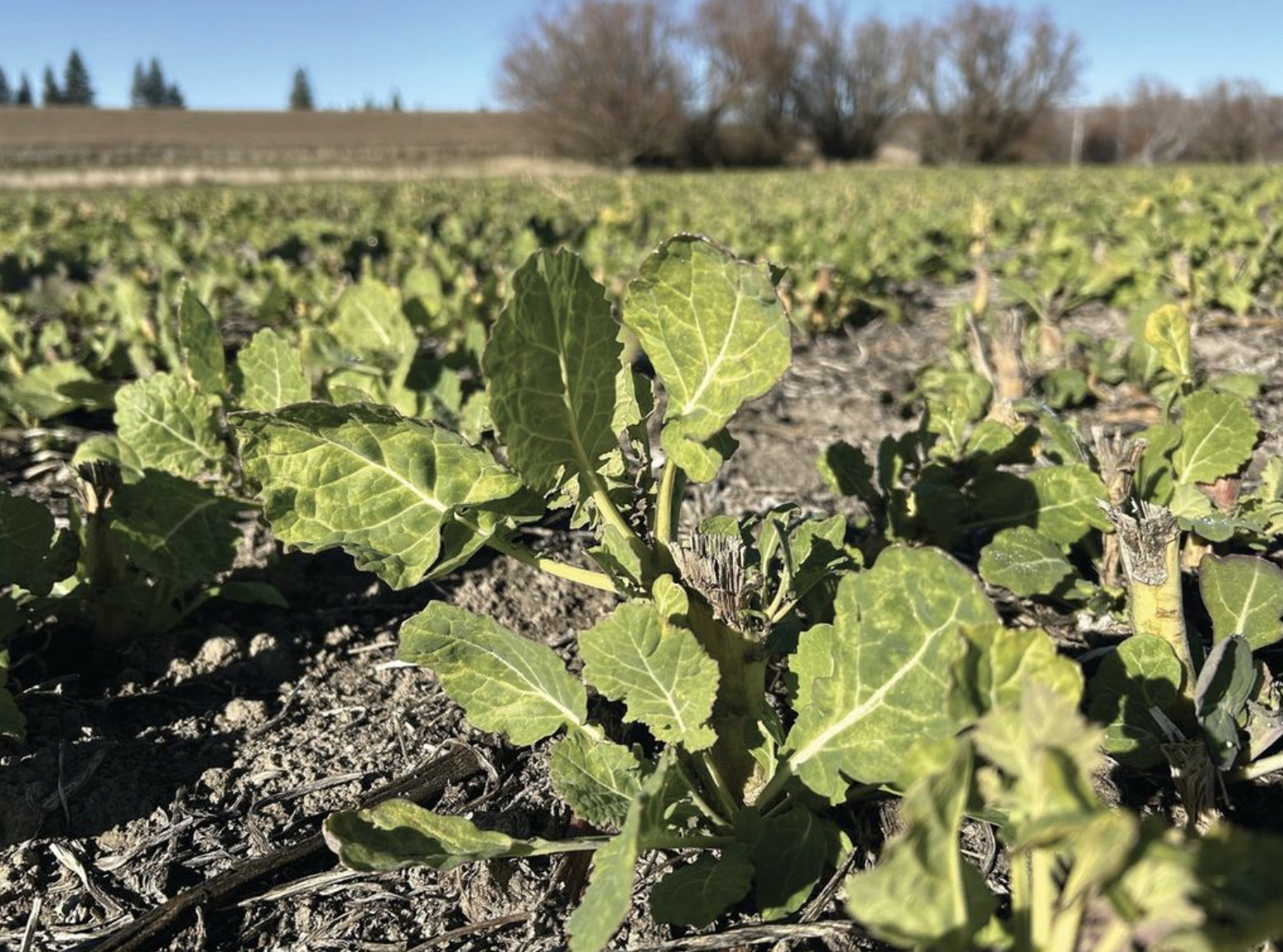
Reviva, from Barenbrug, has been over 15 years in development and testing, and began with a clear goal of achieving a cultivar that would deliver reliable yield, multiple grazings and high animal performance on NZ farms.
Elite parent plants were selected under tough conditions for their vigour, growth, and leafiness along with disease and pest tolerance.
Barenbrug pasture specialist Graham Kerr says the result is a summer rape that produces ample yields of leafy, high energy forage which is particularly well-suited to lambs.
“Some older rapes, or those crossed with kale, tend to elongate as they mature, meaning there can be a quite a bit of stem at the bottom of the crop.
“Reviva is different in that it is very leafy right to the ground. That’s good for animal utilisation, especially for lambs with their smaller mouths. It also means there’s less stem and the following grazing – and less residue left behind when it come time to sow back into pasture or the next crop.”
Trials have shown the new cultivar has a very high proportion of leaf, averaging approximately 48 per cent at the first grazing, Kerr says.
Typically maturing in 70 to 90 days, Reviva will hold its feed quality well for 90 days.
Barenbrug asked red meat farmers in several parts of the country to try the new cultivar last spring as a final real-world evaluation before commercial launch this season.
Guido Cousins in Manawatu has used forage rape for many years to keep high quality feed coming through summer on a busy system breeding and finishing both lambs and bull beef.
Good re-growth is a priority, regardless of cultivar, he says: “We’re always aiming for a multi-graze crop, not a single bulk or one-off graze.”
Last spring was difficult for crop establishment in general, and he did worry at one stage lambs wouldn’t eat Reviva because the ducks much preferred another cultivar next door, but as it turned out, palatability was not an issue.
“Re-growth was good; we grazed it twice with the lambs, and then direct drilled oats into it to carry through as a bulk feed for our cattle. From what we’ve seen we would grow it again.
King Country sheep and beef farmer and stud breeder Russell Proffit came at the crop from a very different perspective, trying it for the first time to drive weight gain in young cattle during a period when otherwise they won’t grow.
“Our biggest challenge here is during February, March and April. Between the humidity, facial eczema and poor grass quality, we’ve historically had zero weight gain in cattle no matter what we do.
“But we wanted to kill those animals before their second winter, so last season with some steers that are part of a trial with Beef+Lamb NZ and NZ Shorthorns to fatten we tried summer autumn crops of rape and kale.
“We decided to graze them on rape during February, and kale during March and April.”
As well as voluntarily grazing Reviva down close to the ground, (with a lot less stem on Reviva compared with another rape side by side) the steers did well on the crop, possibly better than they did on kale subsequently, and the lack of residue made cultivation easier after the crop was finished.
In the middle of the Maniototo, where lack of rain is the biggest potential challenge to sheep and beef breeding and finishing for Matt McSkimming, forage rape is a staple crop for its hardiness.
Up to 45 ha was sown in total last spring, using a range of different cultivars.
The small trial paddock of Reviva was planted three weeks later because of weather, but that didn’t hold it back.
“It went gangbusters, grew as high as the fence. I was a bit worried the lambs wouldn’t get through it because the stems might have got woody, but they chewed it right down.”
McSkimming says he also noticed earlier sown paddocks of other forage rape cultivars were more affected by aphids.