
If your farmers are complaining about docks in their pastures, they're not alone, but a leading crop protection supplier says recommending the right herbicide can make a world of difference.
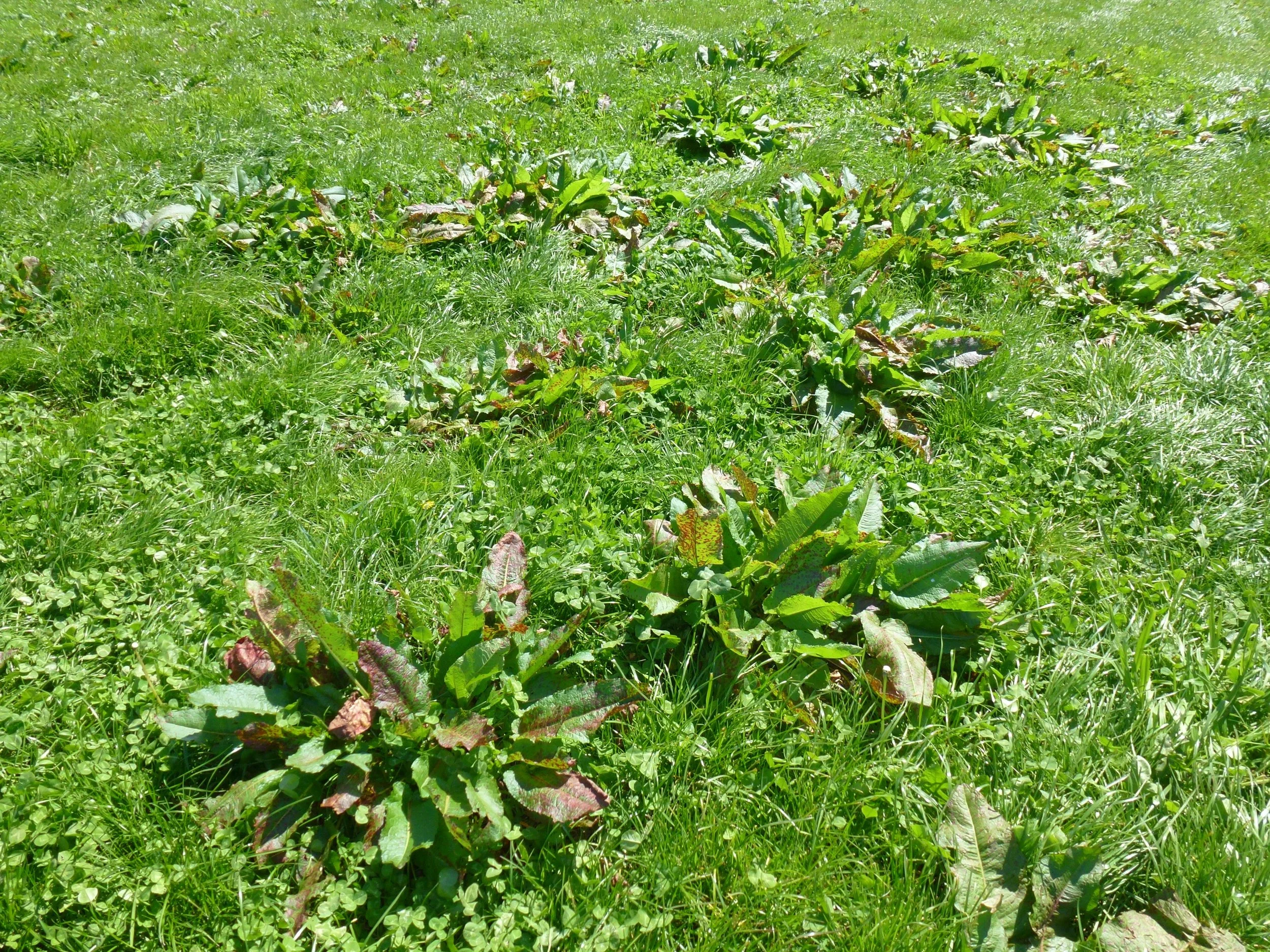
Morgan Mansell, Technical Specialist for Corteva Agriscience, says docks are an increasingly common headache across many New Zealand farming systems.
"Docks are a real focus for us this season because they've been spreading so rapidly.
"They're becoming more and more of a problem in pasture and we're even seeing them pop up in brassica crops now too."
Therein lies an ideal opportunity for retailers and reps to help customers tackle a weed that can have a significant impact on pasture productivity and utilisation.
While docks are a familiar sight throughout New Zealand, their ability to persist and spread means they are often underestimated, Mansell says.
One reason the weed is so difficult to control lies below the surface.
"They have such a large taproot and a huge energy reserve. That's why choosing chemistry that gets down into the taproot is important."
It’s also why Tordon PastureBoss, which contains aminopyralid and triclopyr, is the best defence.
Aminopyralid is particularly valuable because of its ability to move down into the taproot, Mansell says.
When conditions are favourable and plants are actively growing, control can be rapid: "We can see complete knockdown within about 14 days in active growth conditions."
Tordon PastureBoss is also pasture-friendly, retaining grass production while controlling a range of other broadleaf weeds including buttercup, thistles and oxeye daisy.
However, retailers should remind customers that clover will be affected.
Timing remains critical.
"Our advice is to make sure docks are actively growing and to treat them before flowering," says Mansell. "Coverage is also really important."
She says broadcast boom spraying or knapsack application is best, whereas carpet wiping rarely delivers sufficient herbicide uptake.
For farmers looking to renovate affected paddocks, there is also flexibility after treatment.
Mansell says new grass seed can be undersown after application, although allowing a couple of weeks before disturbing treated plants helps ensure the herbicide has time to do its job.
Dock taproots can grow up to two metres deep, while mature plants can reach 1.5 metres tall and produce as many as 60,000 seeds annually.
Even when plants are mown or trampled, the growing point remains protected below the soil surface, allowing them to regrow readily.
The spread potential is considerable. Seeds can be moved by wind, water, livestock and machinery, while root fragments can generate new plants.
"Docks can have a massive impact on grazeable yield," says Mansell. "They contain tannins and acids that make them unpalatable to stock, which reduces pasture utilisation.”
Milk withholding following application of Tordon PastureBoss is three days, meat withholding is seven days, and silage should not be harvested for 12 weeks following application.