
New Zealand’s farmed deer industry is showing the first clear signs of stabilisation after years of contraction, with stronger venison returns and a deliberate reset in velvet supply giving producers a platform to focus on productivity and value rather than simply chasing volume.
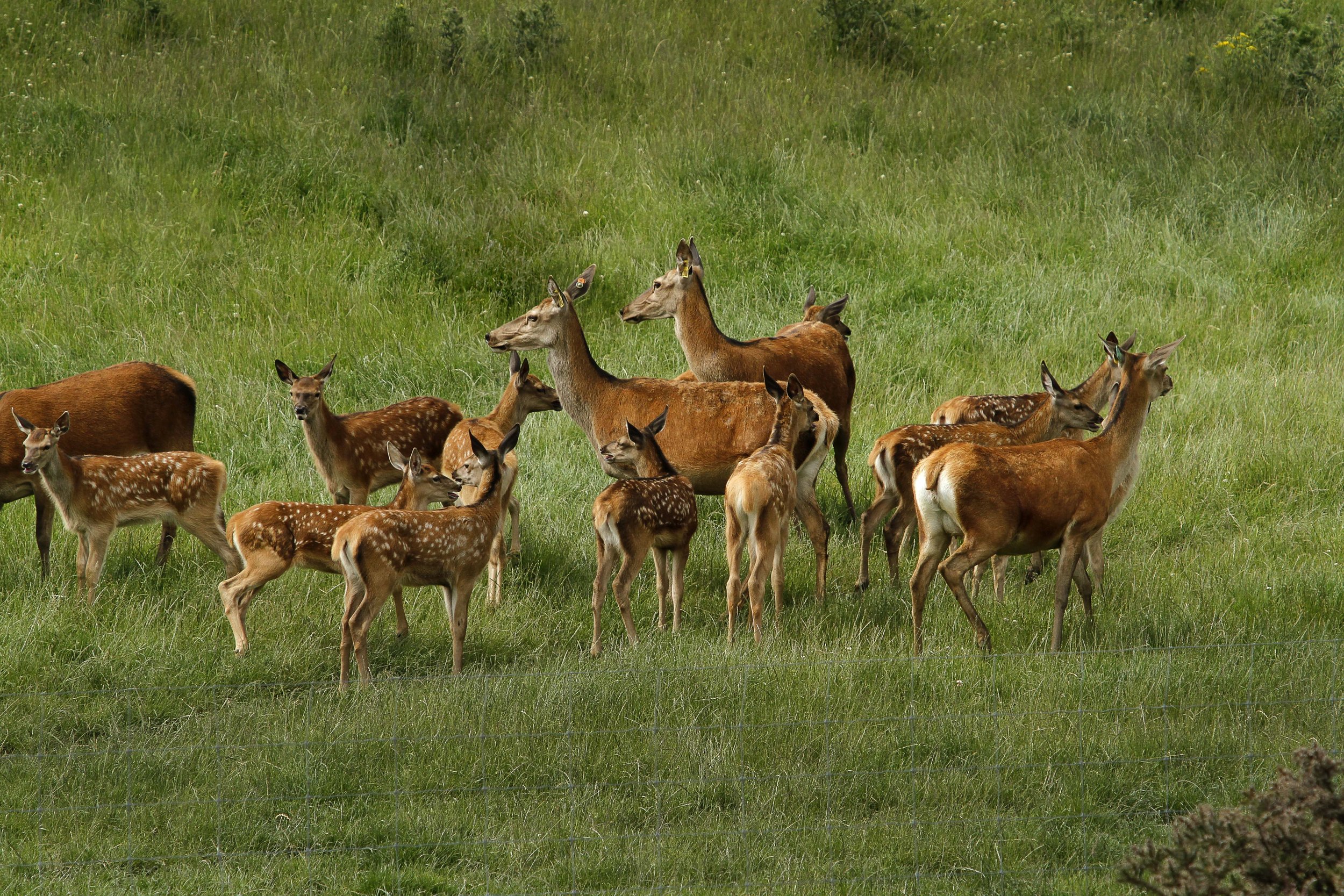
Stats NZ’s finalised agricultural production figures for 2025, released recently, recorded a 3.1% lift in hinds mated and a modest 0.5% increase in the total national herd.
Fawns weaned also edged higher.
Deer Industry New Zealand has described the figures as an important milestone after prolonged decline, signalling that the long contraction in breeding numbers has at least paused.
The share of hinds going to slaughter has dropped below half the kill, consistent with greater retention of breeding stock.
Processing volumes are expected to sit in the mid-to-high 200,000s over the next year or two, well below the peaks of earlier periods.
Venison has provided the firmer foundation.
Published schedules have strengthened through 2026, supported by a broader customer base that now includes more retail channels alongside traditional food-service markets.
The United States has been a standout, helped by industry efforts to build a stronger presence in grocery and specialty retail.
That diversification has reduced the sector’s earlier heavy reliance on European restaurants, a vulnerability exposed during the pandemic.
Venison’s lean, high-protein profile continues to align with consumer interest in nutrient-dense foods, giving exporters a clearer story to tell beyond competing purely on price with other red meats.
Velvet remains the more cautious part of the picture.
Disappointing returns last season prompted heavier culling of older and heavier stags, with processing numbers and average weights rising sharply late in 2025 and into 2026.
Industry estimates suggest this will remove roughly 200 tonnes of velvet from supply in the coming season—around a fifth of recent production.
The adjustment is widely viewed as an opportunity to rebalance toward quality and higher-value uses rather than volume.
New market access into Vietnam and early development of health-functional products in South Korea offer longer-term options to widen outlets beyond the traditional Asian channels.
On farm, the focus is shifting toward extracting more from existing resources.
Deer Select continues to support genetic improvement in growth, meat yield, parasite resilience and reproductive traits, with commercial trials having demonstrated the value of higher breeding values for carcass growth.
Animal health work is also advancing. A DINZ-supported trial of DNA-based detection of parasite DNA in faeces has produced encouraging early results, aimed at giving farmers more precise information than traditional methods allow\.
Better parasite management matters in a sector where gastrointestinal worms and lungworm can limit growth and, in severe cases, cause losses.
Nutrition remains fundamental. Maintaining hind body condition around a score of 3.5 through pregnancy and into fawning supports timely births and heavier weaners, which carry greater economic weight when schedules are firm.
Deer continue to compete effectively in mixed systems.
Consultant analyses show breeding and finishing margins that stack up against sheep and beef when full costs, labour seasonality and existing infrastructure are considered.
With most deer farmers also running other livestock, the species offers diversification and a different seasonal pattern that can help steady overall farm cash flow\.
The outlook is one of cautious rebuilding rather than rapid expansion.
Industry modelling has pointed to the potential for higher export earnings over the next decade, but only if demand and value keep pace with any increase in animals.
Genetics, animal health, farm systems and market development are expected to deliver cumulative gains.
For now, the combination of a stabilising breeding base, solid venison returns and a tighter velvet supply gives farmers a clearer set of signals than they have had for several years.