
As a potentially historic El Nino looms, two Crown-backed irrigation projects in Canterbury have moved from loan approval into construction and commissioning.
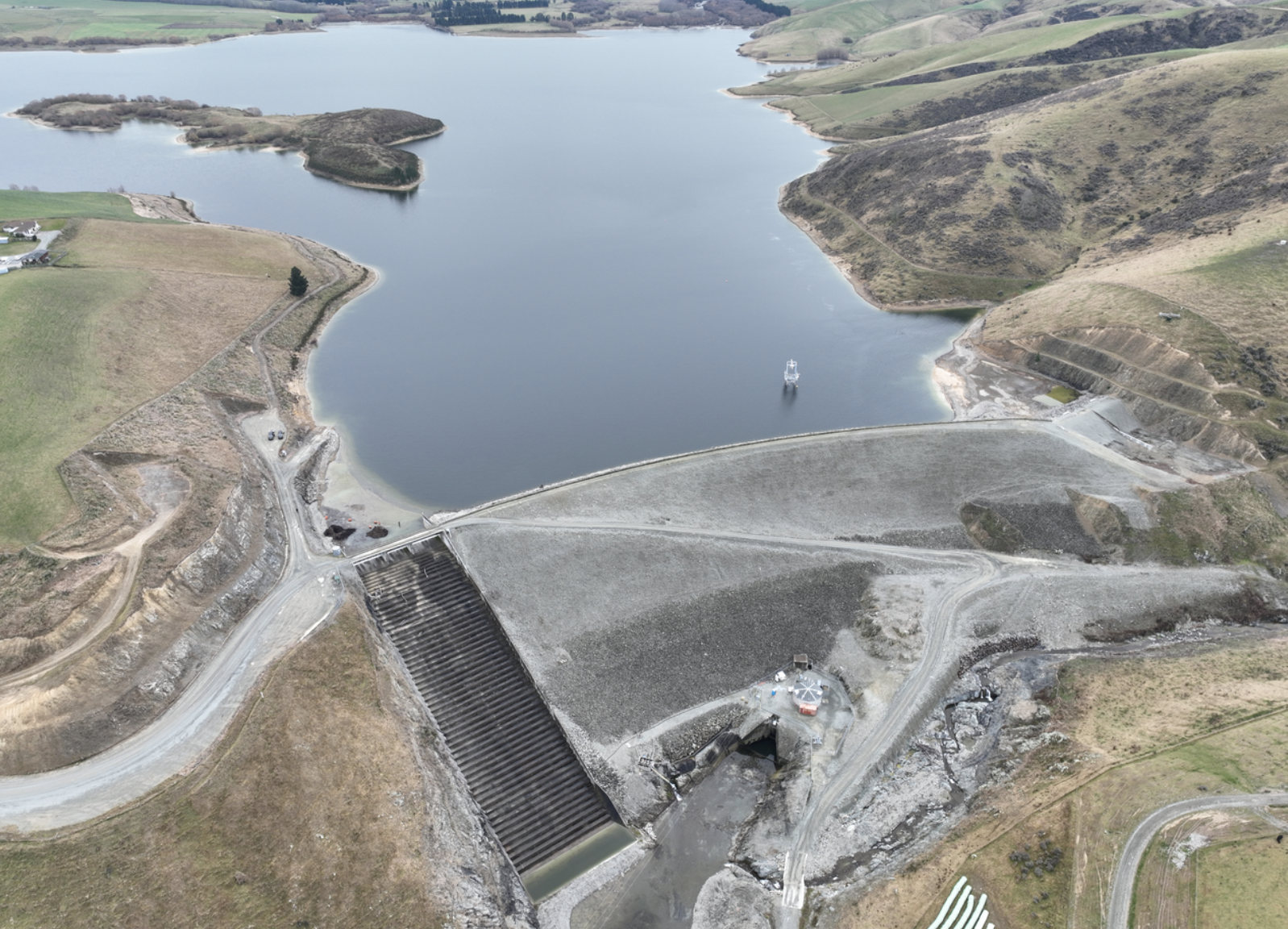
Construction has begun on a major Waimakariri irrigation storage project, and a key upgrade at Opuha Dam has passed a live test.
Burnt Hill Storage is building the Wrights Road ponds for the Waimakariri Irrigation scheme. They will add 8.2 million cubic metres of storage, more than 3,000 Olympic-sized swimming pools.
A Regional Infrastructure Fund (RIF) loan of up to $15.6 million is going toward a $58.5 million project. Scheme owners are funding the rest.
At Opuha Dam, Opuha Water has tested a major new outlet valve as part of an $84.15 million upgrade supported by a RIF loan of up to $20.8 million.
Associate Regional Development Minister Mark Patterson says the valve will allow more water to be released ahead of major storms so the dam can then store flood flows, protecting downstream communities, farms and infrastructure.
Both loans were approved in 2025.
A third Canterbury loan from the same 2025 package, up to $20 million for Amuri Irrigation’s proposed Balmoral pond of up to 10 million cubic metres near Culverden, covers a project granted resource consents in late 2025.
The RIF is a $1.2 billion regional infrastructure fund.
Water storage is one of five priorities; there is no separate drought-storage budget.
Kānoa’s contracted list at 31 March 2026 showed seven Water Storage projects and $100.9 million of Crown funding, including Waimakariri and Opuha.
Other announced storage and reliability deals, including Balmoral, further Tukituki planning money in Hawke’s Bay, Falls Dam planning in Central Otago, and East Coast horticulture reservoirs and recharge, take the wider rural-storage total to about $150–155 million, almost all loans.
IrrigationNZ’s 2026 election manifesto calls for water storage to be treated as nationally significant infrastructure.
Chief executive Karen Williams has argued water storage and distribution assets are long-lived infrastructure that need long-term certainty.
They are not just about irrigation, but water resilience across the country’s freshwater systems, including drought preparedness, environmental flows, firefighting, hydro generation and regional economic confidence.
The industry group is also seeking a national water strategy and a dedicated body to identify and deliver storage and distribution projects, arguing too much work is still done project-by-project.
Canterbury is the furthest ahead on building new irrigation storage under the RIF. Northland’s contracted water spend is largely pipelines off reservoirs already built. A $20 million Carterton reservoir loan is contracted. Tukituki and Falls Dam remain in planning.
Forecasters expect this El Niño to peak in late spring or early summer.