
Symposium reveals fast track to better crop tools
New Zealand has a real opportunity to fast track lessons around adoption of biological crop protection solutions given its small size and connected sectors.
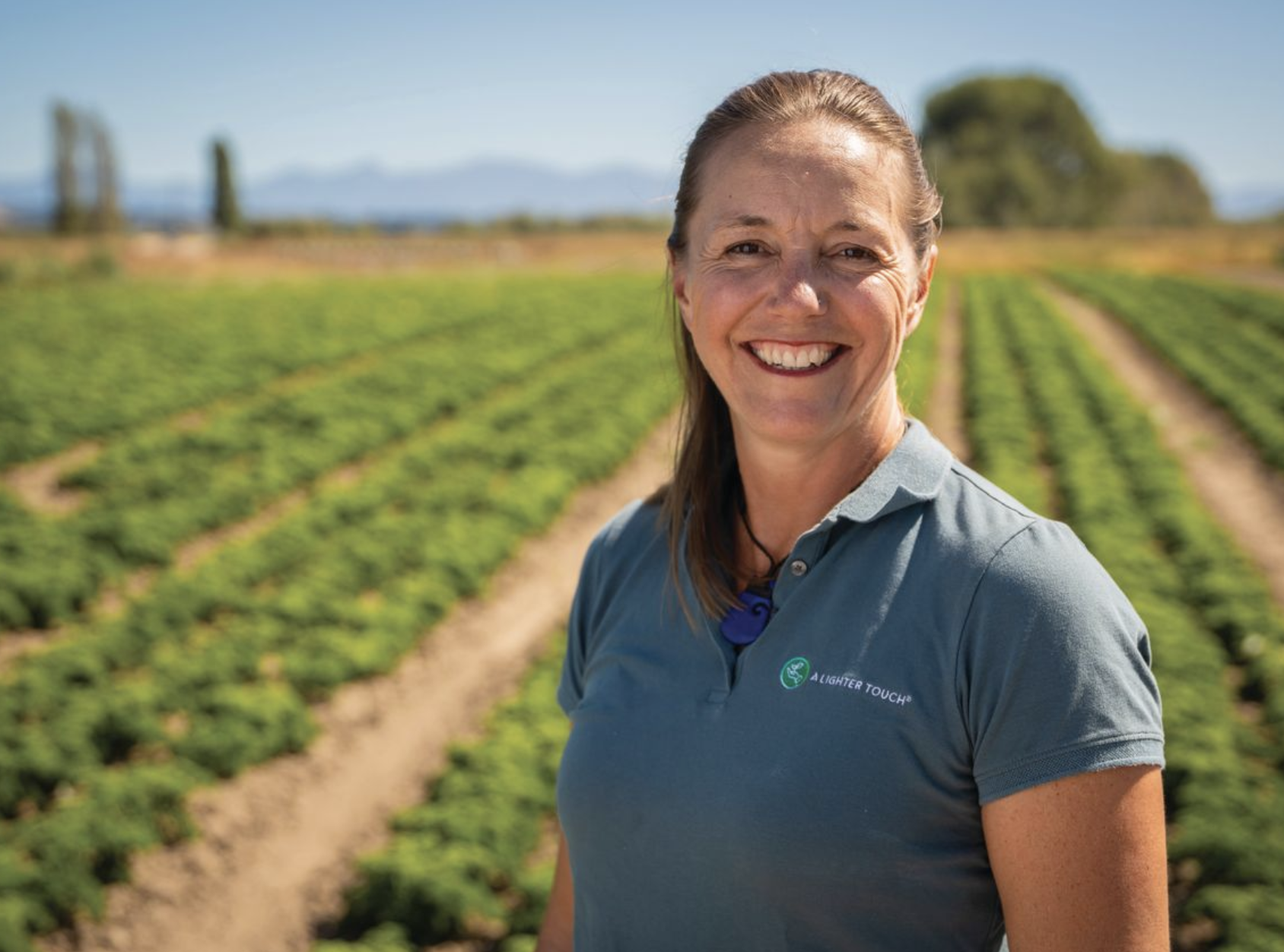
That’s the view of A Lighter Touch programme director Livia Esterhazy, one of several presenters at the inaugural New Zealand Biological Symposium held in Tauranga recently.
Esterhazy says innovative technologies discussed at the symposium could provide new crop protection solutions to growers, and it was exciting to see biologicals being a focus for research and development here in NZ, reflecting global trends.
“Biologicals development is on the increase here in NZ as it is globally.
There is a real opportunity to turn around some of the key industry challenges including market access, resistance management and extend the number of tools in the grower’s tool box through effective integration and adoption of biological solutions.”
NZ also faces similar challenges to those seen internationally in learning how to integrate biologicals into crop protection programmes after decades of reliance on synthetic chemistry.
“Growers are good at leaning into new technology but the key is to ensure it’s extended in the right way so we minimise the risk of products and solutions being developed but not adopted on farms and orchards.”
Esterhazy presented about biological-related work in the A Lighter Touch programme to an industry audience of 120, made up of scientists, growers, agronomists, advisors, policy makers, product group partners, and crop protection companies.
She discussed a variety of tools and solutions, ranging from use of biological control agents and efficacy trials of biological products through to regulatory work undertaken to facilitate improvements for registration of new biological products to enable more timely access for NZ growers.
Lessons learned from incorporating new biologicals into kiwifruit crop protection programmes was the focus of a presentation by Zespri orchard quality services manager Melanie Walker and a kiwifruit grower.
Moving to use of biologicals came with challenges, and took time, but was worth the effort in the longer term, they said.
The symposium provided an opportunity for researchers and investors to network with start-ups and commercial businesses developing biological tools, and brought together sector groups and other industry partners for a biologicals-focused discussion.