
Southern miller is feeling its oats
Harraways is backing the future of oat processing in the lower South Island with a major, multi-year investment programme to lift capacity, improve efficiency and keep its Dunedin mill competitive for decades to come.
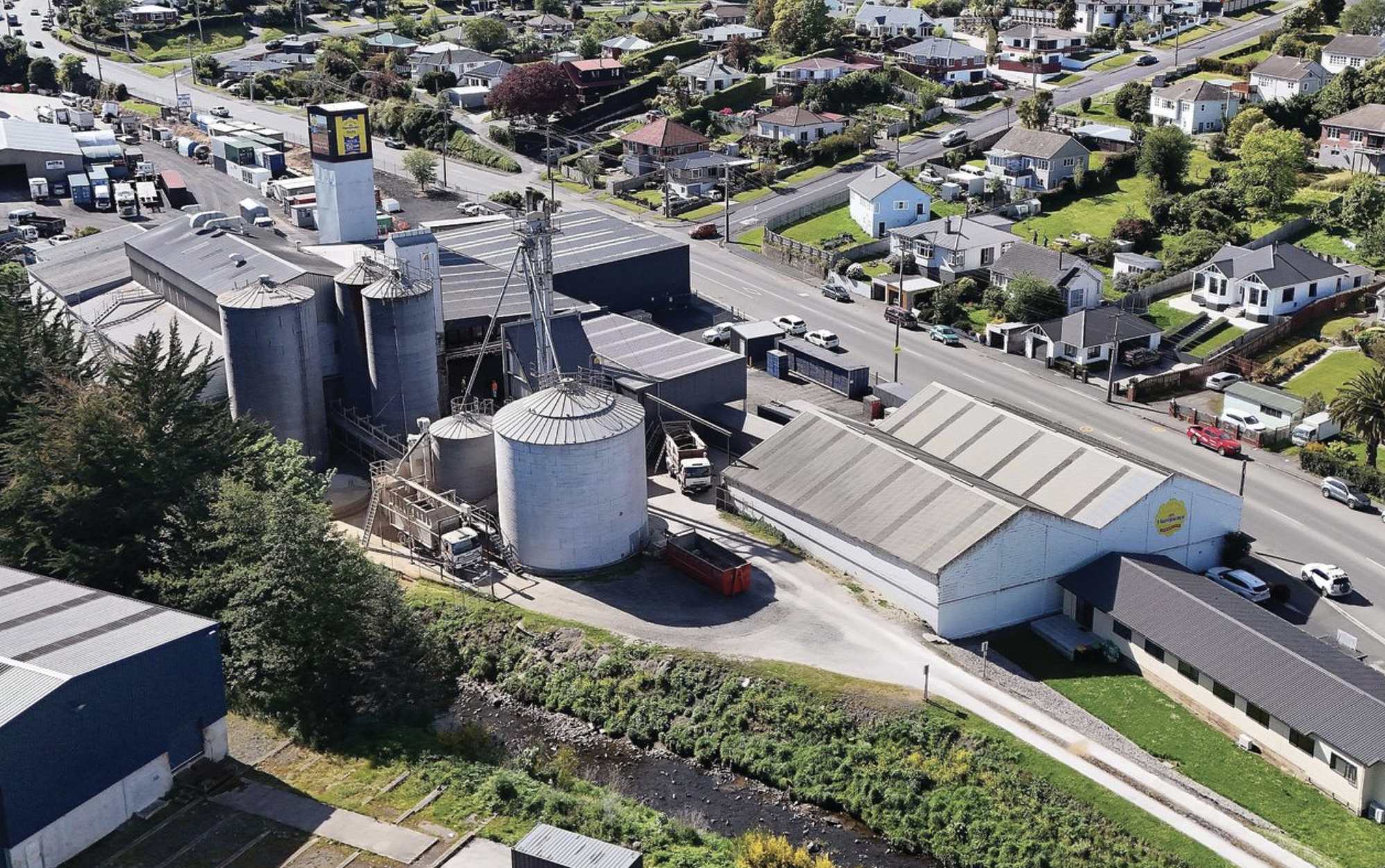
The company is partway through a capital upgrade at its Green Island site that will see total spending reach about $11–12 million over three to four years.
For chief executive Henry Hawkins, the project is about protecting a long-standing rural supply chain while positioning the business for growth.
Planning for the programme began two years prior to any machinery arriving on site. Shareholders signed off funding almost a year ahead of the first work starting in November 2025, giving the company confidence to stage the upgrades carefully while keeping the mill running.
One of the first visible changes has been the automation of Harraways’ sachet line for retail products. Previously a labour-intensive process, the new line now produces sachets on a fully automated system.
Consumers will notice updated packaging on supermarket shelves, with larger boxes that improve branding and shelf presence.
“Sachets have been a real game changer for us,” says Hawkins.
“With the new facing we expect to gain more shelf presence.
“Going through this update allowed us to re-evaluate the product quality and health benefits and we have reduced our sugar levels in much of the sachet range, while keeping the product exactly the same quality our customers expect.”
While the Australian-built machinery still needs some manual input, longer-term plans include automating the full packing process from box to pallet.
At the same time, Harraways replaced an ageing boiler with a new unit that arrived in December and was commissioned by February. Built in Christchurch by MHM, the boiler provides extra steam capacity to support future growth.
Steam is essential to the milling process, and both boilers are fuelled entirely by oat husk by-product generated on site.
That upgrade reflects a wider focus on future-proofing the operation.
A major current project is transforming the grain intake and silo farm. Old silos are being replaced, along with a full replacement of the intake pit and elevators.
The aim is to dramatically speed up unloading for growers and transport operators.
“Drivers used to spend an average of two hours tipping off a load,” says Hawkins.
“With the new system we expect that to drop to about 30 minutes.”
This $1.5 million-plus project is being handled by REL and is about 70 per cent complete, with finishing targeted this month.
Next comes one of the most complex pieces of the programme, a seismic upgrade of the main mill building. Work began in February and will take more than 12 months, with the mill operating throughout.
Old cinder block walls are being removed and replaced with fire-rated cladding, done wall by wall and floor by floor.
Looking further ahead, the largest single investment will be new milling equipment, requiring a new purpose-built building.
That project is still being scoped but is expected to cost $5–6 million and take about 18 months to complete. Space has already been set aside near a creek that once powered the original mill.
Hawkins is overseeing the work, supported by Hanlons Engineering and quantity surveyors Chas George and Sons.
Growers have responded positively to the upgrades. Oats remain an important part of Southland growers’ crop rotations, and Hawkins says farmers value having a reliable local processor.
“They need a good outlet and we’ve kept them well informed,” he says.
“It’s about growing together.”
Asked about the recent Heinz Wattie’s announcement, Hawkins says it is “very disappointing” to see another NZ business folding.
“I am very sympathetic for those affected, but it is becoming harder and harder to do business in NZ, and while I personally don’t like it, I can understand the company’s position.”