
Prebiotics and the foundation of ruminant health
Words: Biostart
Every farmer is working toward the same outcome - robust stock, strong growth, and consistent productivity.
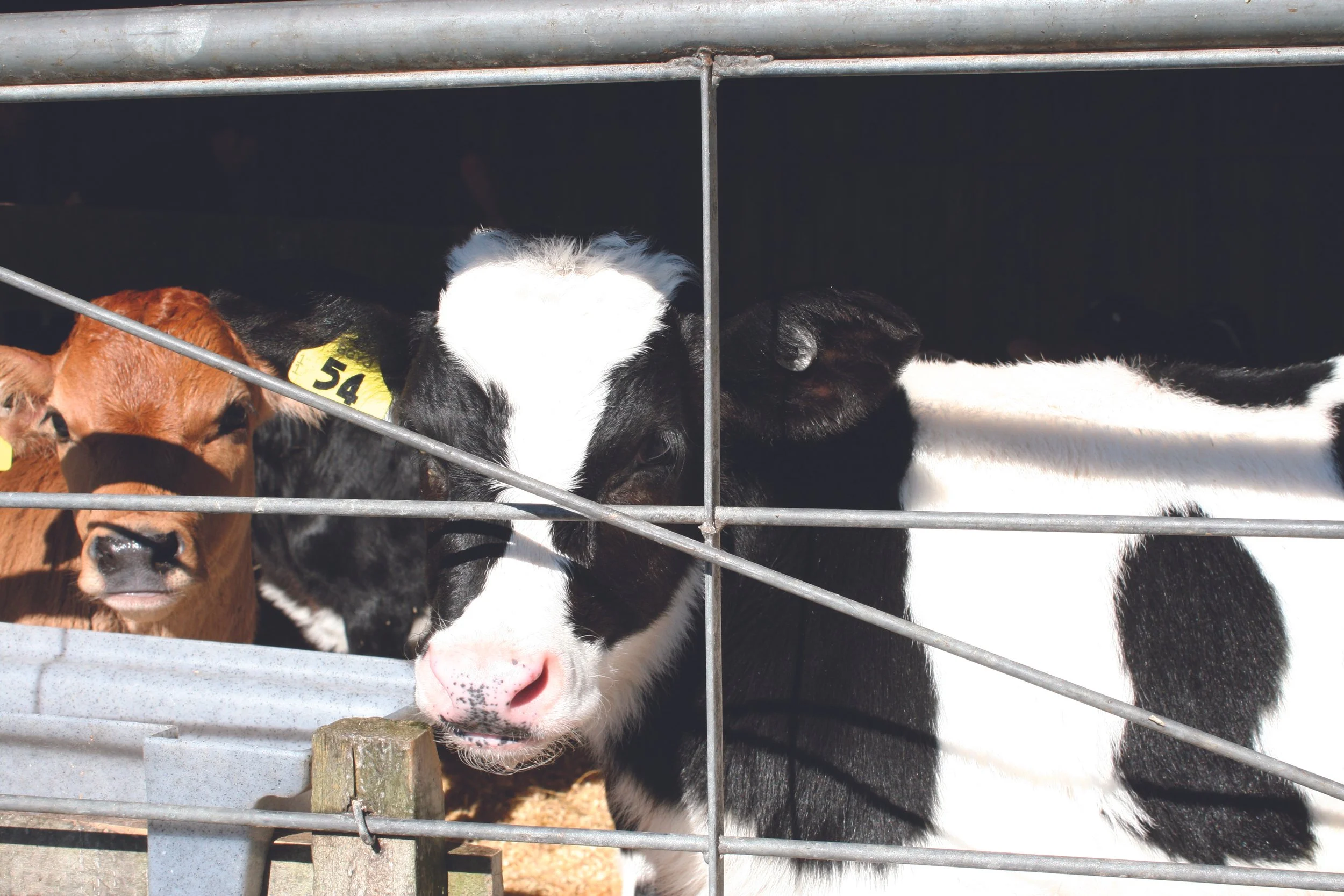
Yet this begins earlier than many realise, within the first days of a calf’s life, when the foundations of lifelong performance are established.
Newborn calves face multiple challenges. Their gut and immune systems are still developing, leaving them vulnerable to disease and environmental stress. Limited access to colostrum, inconsistent feeding, exposure to pathogens such as E. coliand salmonella, and rapid diet changes all add pressure. Combined with unpredictable spring weather, these factors highlight the importance of early-life management.
According to Dr Jerome Demmer of Biostart, the key lies in gut biology. “Ruminants with healthy gut microbes are more resilient, grow faster, and produce more,” he says. “Supporting gut health—especially early—can transform animal performance.”
The first three weeks are critical. During this time, milk bypasses the rumen and goes directly to the abomasum, as the rumen is not yet functional. While colostrum provides essential immunity, it is not always enough on its own.
Establishing beneficial gut microbes early helps protect against disease and supports the calf until its immune system matures. It also encourages rumen development, preparing the animal for the shift to pasture and solid feed.
Feed additives are increasingly used to support animal health, but they work differently. Probiotics introduce live microbes into the gut. Prebiotics stimulate the growth of microbes already present. Prebiotics support the animal’s natural biology, enhancing existing microbial populations rather than replacing them.
Biostart’s prebiotic approach uses fermentation extracts, oligosaccharides, enzymes, plant compounds, and micronutrients to activate beneficial microbes. Its calf product is designed to improve milk digestion, support early rumen development, reduce scours, and help calves cope with stress. Trial results show 16 per cent increase in live weight and 18 per cent improvement in growth rate within 21 days.
Gut health remains critical beyond weaning. As lambs and cattle transition to pasture, rumen microbes drive feed conversion into nutrients for growth, milk, and meat production. However, these microbes are sensitive to feed changes, environmental stress, and treatments such as antibiotics or drenches. Targeted prebiotic support helps maintain microbial balance during these periods. Trials show dairy cows produced higher milk solids, with increases of 5 per cent in November, 4 per cent in December, and 3 per cent in February using Biostart’s LactoPlus.
The principle is simple - strengthen the animal’s natural systems rather than reacting to problems later. Supporting gut biology can reduce reliance on interventions, improve feed efficiency, and increase resilience to stress and disease.
“Providing optimal natural gut biology through prebiotics has a huge positive effect on health and growth for ruminants, with absolutely no downside,” Jerome Demmer says.
For New Zealand farmers, where pasture-based systems dominate and environmental variability is a constant, supporting the unseen workforce within the rumen may be one of the most practical and profitable decisions they can make.