
Pilot looks to smooth way for ag innovations
Australian and New Zealand regulators are testing a new joint registration pathway aimed at speeding up access to agricultural chemicals and veterinary medicines on both sides of the Tasman.
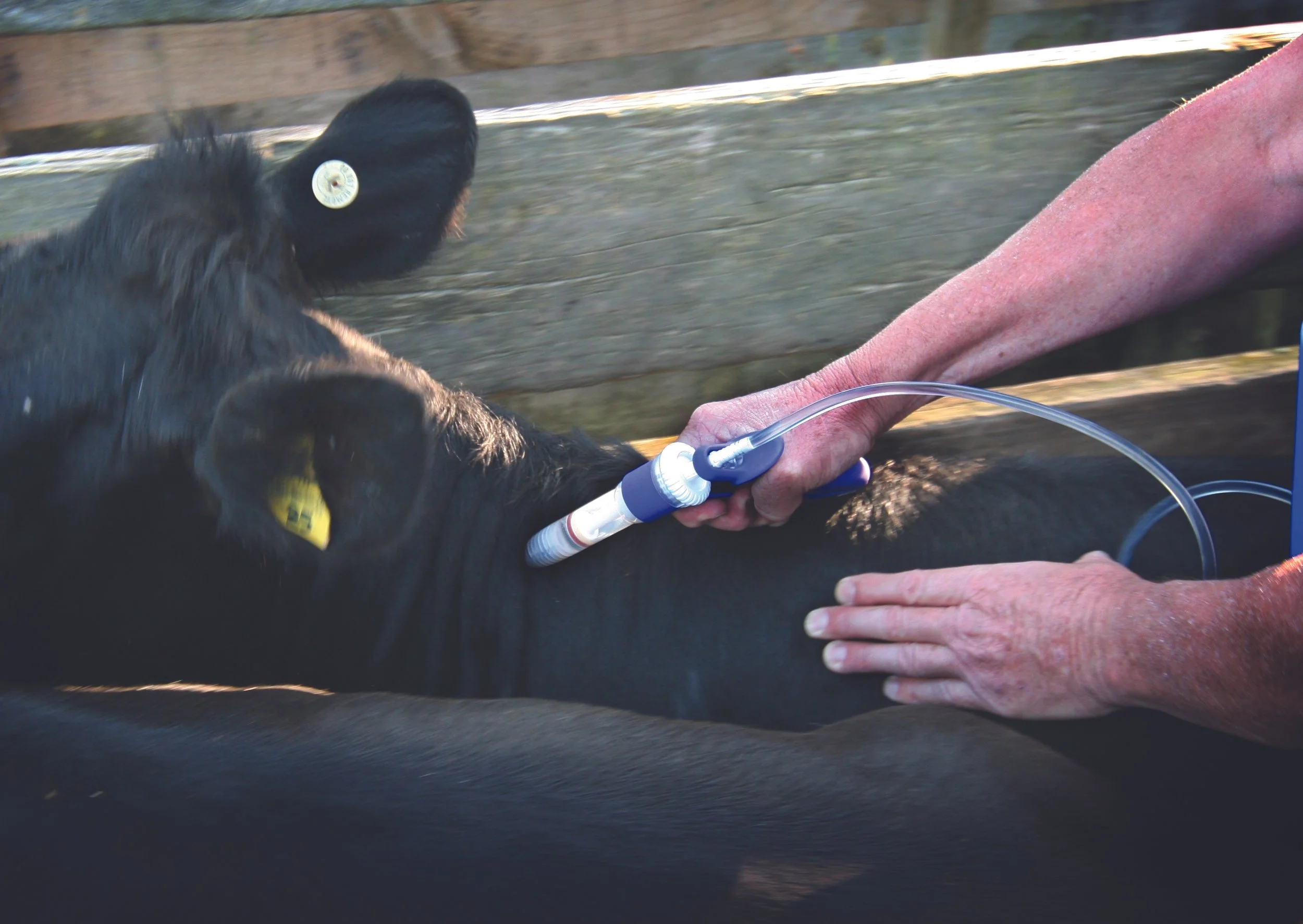
The pilot, now open for expressions of interest, allows manufacturers to apply for joint product assessments rather than running separate approval processes in each country.
It is being run by NZ Food Safety and the Australian Pesticides and Veterinary Medicines Authority.
The agencies say the initiative is designed to remove regulatory delays that can slow the availability of new crop protection products and animal health treatments for farmers and veterinarians.
NZ Food Safety deputy director-general Vincent Arbuckle says the two countries already share similar regulatory systems, making joint assessments a practical next step.
He says streamlining approvals will help reduce obstacles for primary producers and rural communities, while making Australia and NZ a more attractive market for companies developing new products.
The pilot is open to manufacturers with new products intended for registration in both countries, as well as companies that already have products approved in one market and want to progress more quickly in the other.
Rather than duplicating scientific assessments, the two regulators will increase their reliance on each other’s work, cutting down on repetition and processing time.
A limited number of applications will be selected from the expressions of interest received and assessed jointly under the pilot.
The groundwork for the collaboration was laid late last year when the two agencies signed an updated memorandum of understanding strengthening their long-standing working relationship.
Since then, officials have been aligning their processes to prepare for shared assessments.
Regulators say the pilot will allow them to test and refine joint assessment systems, while giving participating companies an opportunity to move products through the approval pipeline faster.