
New chemistry still stuck in the system
Progress in clearing the years-long backlog of hazardous substance approvals remains slow in the areas that matter most to primary producers, despite the Environmental Protection Authority reporting improvements in overall throughput.
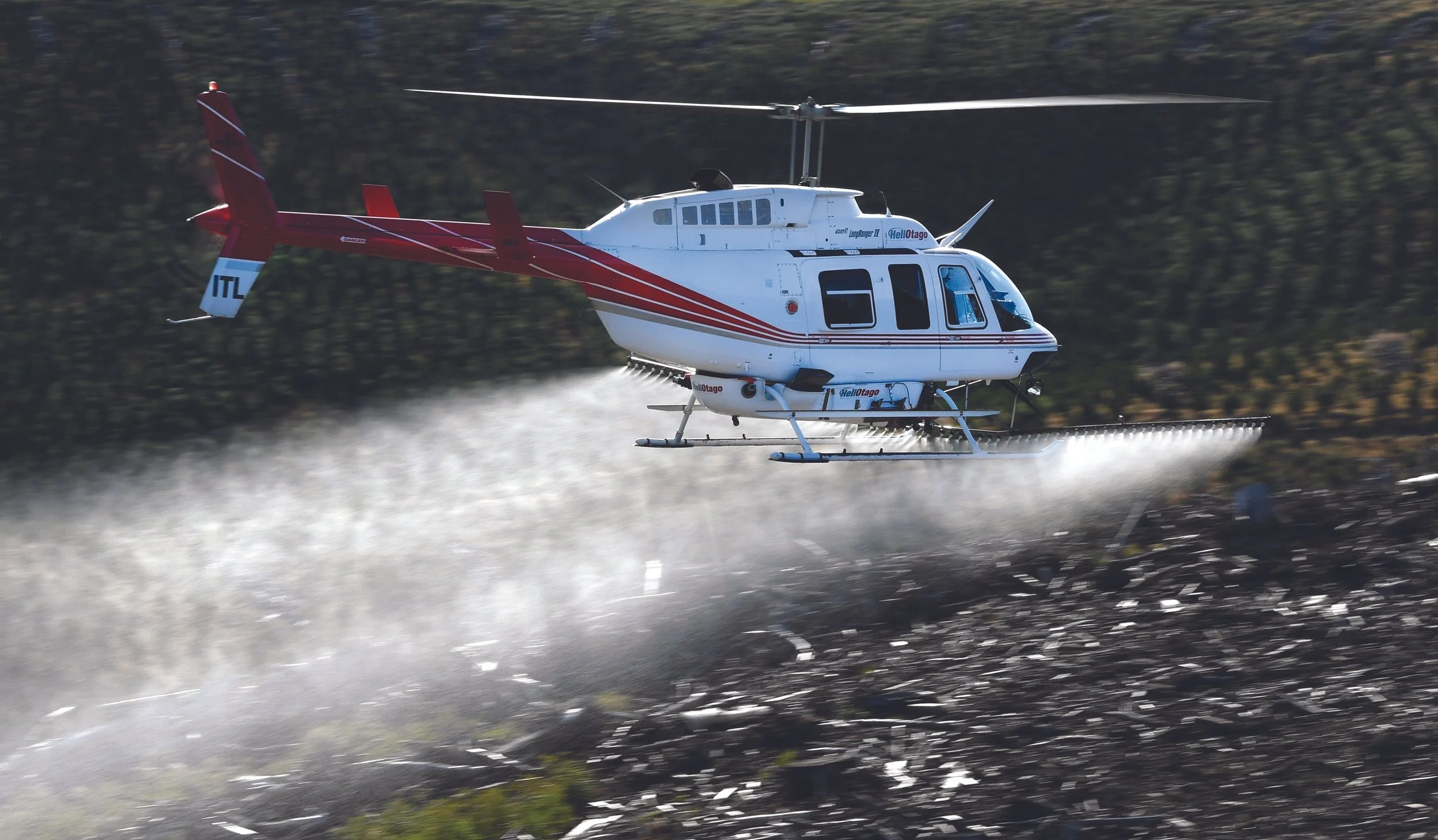
The authority’s latest quarterly performance report shows that only one application for a Category C product – containing chemistry new to New Zealand – was approved in the October to December 2025 quarter.
This was Tower, a cereal herbicide from Adama, which first lodged its application for the product back in September 2020.
Along with UPL’s horticultural fungicide Rhapsody, approved in July 2025 after a four and a half year wait, the EPA has ticked off just two Category C approvals for the first half of the 2025–26 year, well short of expectations.
It had previously signalled a target of six Category C approvals across the full year, a figure the industry has been watching closely given the importance of new active ingredients for managing resistance and changing market expectations.
Category C applications are the most complex and generally involve new active ingredients, often for fungicides, insecticides or herbicides used in agriculture and horticulture.
These products typically require full quantitative risk assessments and are central to the future crop protection toolbox.
Category B applications, meantime, typically involve substances with existing active ingredients or known components where some data is already available.
The EPA approved one of these in the second quarter, for a non-agricultural use.
At the end of December 2025, there were 84 release applications sitting in the EPA queue, with 69 requiring action from the regulator itself.
Of those, 20 applications were classified as ‘in queue’ and not yet actively under assessment.
Several of the longest running applications have been waiting for years.
A vertebrate toxic agent application lodged in July 2020 has been in the system for more than five years.
An agricultural herbicide application lodged in September 2020 has been waiting just over five years.
Another Category C herbicide application, lodged in February 2021, has now been in the system for nearly four years and ten months.
For growers, these long timelines are not abstract statistics.
Many of the products waiting for approval are designed to address resistance issues or replace older chemistry that is under mounting regulatory and market pressure.
In the current year, the EPA has identified six Category C applications and three Category B applications as priority cases.
The Category C pipeline includes agricultural herbicides, fungicides and insecticides, several containing new active ingredients not previously approved in NZ.
The Category B list includes agricultural insecticides for maize, sweetcorn and forage crops, as well as non agricultural insecticides.
Beyond those targeted cases, there are a further two Category C and five Category B applications that have been formally received and are at varying stages of assessment.
Additional applications remain in pre application stages, some awaiting data, others waiting for EPA pathway decisions due to limited specialist capacity.
As at the end of December, there were at least seven Category B applications formally received and under assessment, including fungicides for horticultural use, insecticides for brassicas and fumigants for soil borne pests.
Several of these have already been waiting between two and three years.
The longest Category B application still active was lodged in mid 2020 and has now been in the system for almost five and a half years.
While the EPA points to resource constraints and historic staffing shortages, the gap between stated targets and actual delivery remains a concern for the rural sector.
The authority acknowledges the capacity of toxicologists and ecotoxicologists continues to be the limiting factor for assessing products with new active ingredients.
Rapid assessments and lower risk approvals have increased, but these do little to address the shortage of new chemistry available to growers.
For suppliers seeking to bring new chemistry to the NZ market, as well as producers themselves, the slow pace of Category B and C approvals remains the central issue.
• One new active ingredient was approved by the EPA late March, bringing total Category C applications to three of the six targeted for FY 2025/26.