
Introducing AR128 endophyte
Words: PGG Wrightson Seeds
Endophytes are naturally occurring fungi found inside many grass species, including ryegrass.
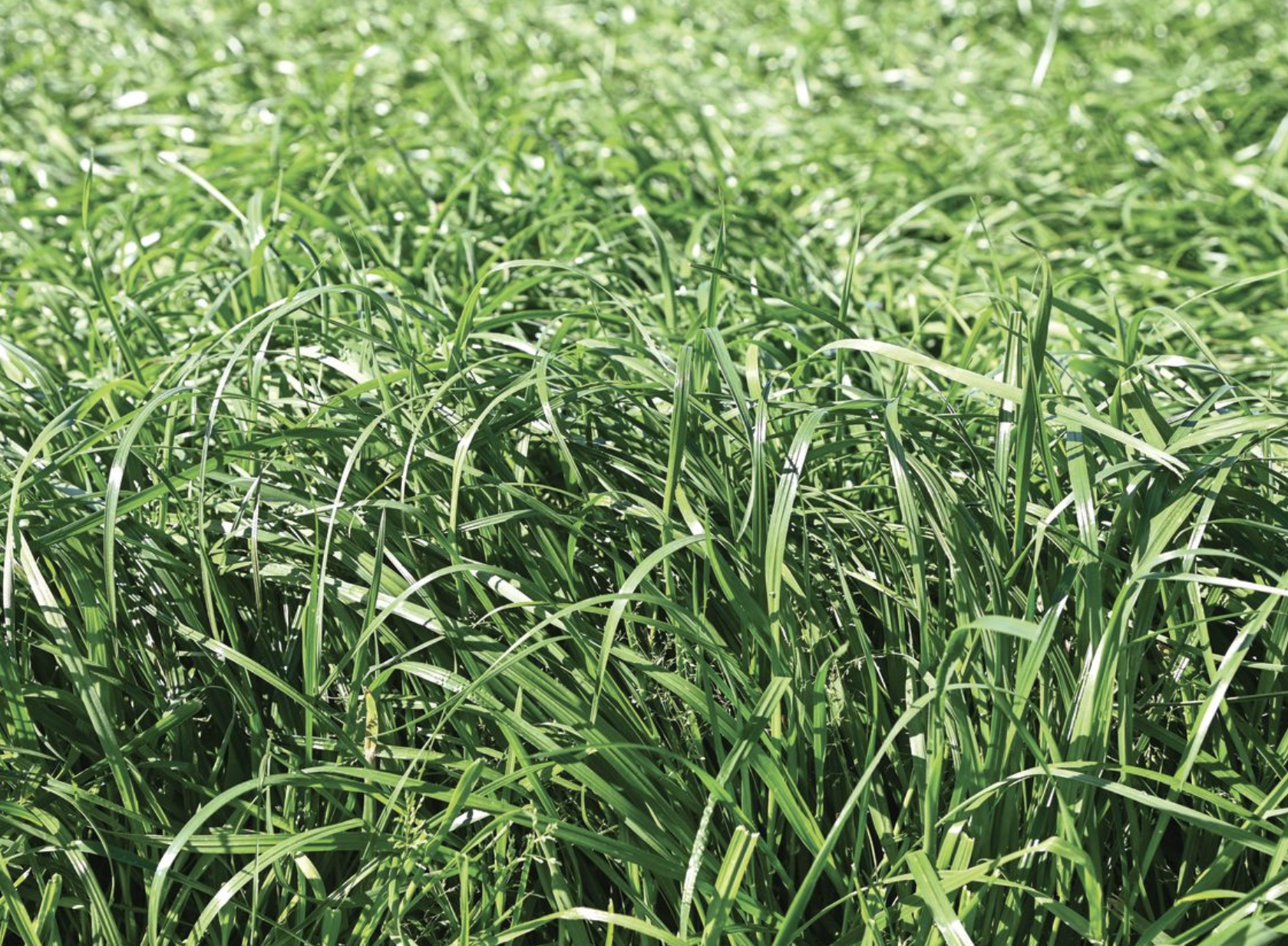
They form a mutually beneficial relationship with the plant. Endophyte helps protect grass from damaging insects, while grass gives endophyte a place to live and reproduce.
This partnership plays an important role in ryegrass persistence and productivity on farms New Zealand-wide.
Endophytes produce a range of chemical compounds known as alkaloids. Different endophyte strains produce different types and amounts of these compounds. Some alkaloids act as insect deterrents or are toxic to specific pests, helping protect the grass. Others can affect animal health depending on the levels present and amount consumed.
Over the past 25 years, plant breeders have focused on selecting ‘novel’ endophytes that retain strong insect protection while reducing negative effects on grazing livestock.
Endophytes cannot move from one living plant to another within a pasture and are transferred only via seed. So, for a pasture to benefit from an endophyte, farmers must sow seed that already contains live, healthy endophyte.
AR128 is the newest endophyte developed through research by AgResearch (now part of the Bioeconomy Science Institute), Grasslanz Technology and PGG Wrightson Seeds Ltd*.
It belongs to the Epichloë genus and originated from Italy, with a profile very similar to AR37.
It builds on earlier work done with AR37—an endophyte that offers outstanding pest protection, delivered $3.6 billion to the national economy and earned the Prime Minister’s Science prize in 2025, making it the most widely used, successful endophyte in NZ.
In almost every practical way, AR128 performs the same as AR37 once it is in the pasture.
It delivers epoxy-janthitrem alkaloids, which provide strong protection against key pasture insects.
As a result, AR128 offers a similar high level of pest control and the same level of risk regarding ryegrass staggers as AR37.
Where AR128 differs, and where a key advantage lies, is in how efficiently it is carried and maintained in seed.
For an endophyte to be effective on farm, at least 70 per cent of the sown seed must contain a live endophyte and all PBRA member companies have formally adopted this as the minimum industry standard.
If endophyte levels fall below this threshold, parts of the pasture may become vulnerable to insect attack, reducing persistence and productivity.
AR128 has been shown to consistently achieve endophyte infection levels greater than historic averages for AR37.
This improved reliability comes from two key features.
First, AR128 passes more successfully from one seed generation to the next during commercial seed multiplication.
Second, it survives better during seed storage, especially under challenging conditions that may occur in relation to temperature and humidity.
Companies like Agricom and PGG Wrightson Seeds have been aware of the role that seed storage has on endophyte viability and transmission thanks to research undertaken by AgResearch and have stored AR37 seed in temperature controlled environments for well over 15 years to ensure delivery of high-quality seed.
It is this focus, together with AR128’s traits, that ensures retailers and farmers will receive seed with effective endophyte levels at the time required for sowing.
For farmers aiming to improve pasture persistence, production and overall farm performance, especially in regions where damaging pasture pests are common, AR128 offers a reliable and effective endophyte option.
Its improved transmission and storage characteristics help ensure that the benefits seen in research carry through to deliver on NZ farms.
*AR128 endophyte became available in a limited range of cultivars from autumn 2026 and this will expand over the next three years. As a result, most varieties of seed available from Agricom and PGG Wrightson Seeds will continue to be offered with AR37 endophyte.