
Arable, farming and crop protection groups say the Environmental Protection Authority’s (EPA) revised group standard for treated seed is a clearer proposal than last year’s, but still includes the wrong settings if New Zealand wants to keep access to modern seed treatments.
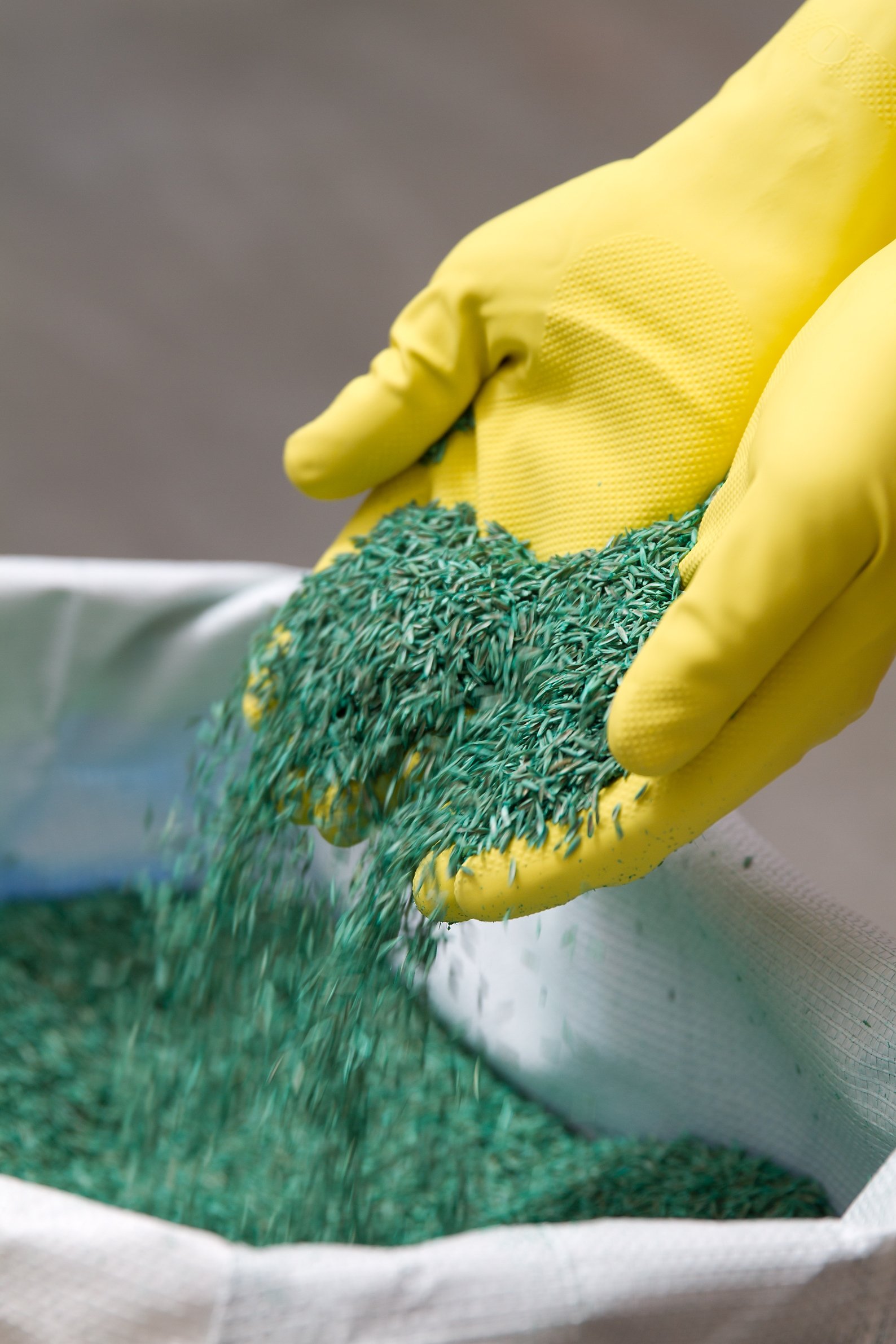
The current round of consultation has now closed after being extended by a month to 30 October.
A hearing is expected in the first quarter of 2027.
In their latest submissions, Seed & Grain New Zealand (SGNZ), Federated Farmers (FF) and Animal and Plant Health New Zealand (APHANZ) all credit the EPA with a more practical, risk-based draft than originally proposed.
SGNZ points to a better definition of treated seed, exemptions for some low-risk small-volume cases, no expectation that importers run complex hazard classifications, flexibility on existing packaging, and inclusion of aerial sowing where ground planting is impractical.
Their shared objection?
Treated seed carrying an active ingredient without a New Zealand HSNO approval, and not already a component of an approved plant-protection product, would sit outside the standard and fall back on an individual HSNO approval.
All three groups say that undercuts the point of a group standard and risks cutting New Zealand off from novel chemistry used overseas.
As a small market, it cannot assume global suppliers will spend years and significant cost on a local approval.
Federated Farmers welcomes the shift to a more proportionate draft, including the EPA no longer treating the whole bulk weight of treated seed as a hazardous substance for storage and transport. It does not support the standard proceeding as drafted.
Its concern is novel treatments would depend on an agrichemical system the Government is reforming because it is slow, costly and duplicative.
The Ministry for Regulation’s Agricultural and Horticultural Products Review put a novel chemical approval, HSNO and ACVM in parallel, at about 5.6 to 8.3 years.
Federated Farmers wants no new treated-seed requirements until those reforms are delivering materially faster approvals, and then an accelerated pathway for active ingredients already assessed and lawfully used in trusted overseas jurisdictions.
It also flags short turnaround times in the seed-multiplication industry.
SGNZ says further barriers could deepen New Zealand’s isolation from global seed systems and make the country a less attractive market for international seed companies, with flow-on effects for domestic vegetables, livestock feed and emergency seed supply after floods or drought.
It says the implementation window is far too short for label, documentation and safety-data-sheet changes that have to move through overseas supply chains, and is shorter still for domestic manufacturers, for whom the group standard would become the main compliance path.
APHANZ says settings in the proposed new regulations are not yet right.
Group members want a route for novel seed treatments, clearer rules on the rapid international pathway, data protection, and a check on what the change would do to the EPA’s application backlog.
2. Shackleton says the practical odds of the proposed business-case process are a concern, and cites SGNZ’s estimate that restricted access could affect 45,000 to 50,000 hectares of fodder beet.
On labels, APHANZ wants a three-to-four-year transition.
The total amount of treated seed sown in New Zealand each year is not known.
That’s one of the reasons EPA has proposed new regulation.
It wants annual reporting from importers on the types and quantities of active ingredients on imported treated seed because it does not have that picture now.