
Help your farmers rear their best calves ever
If you haven’t yet brought yourself back up to speed with best practice calf rearing, a quick review of the essentials this month means you’ll be on point with customer support when the rush begins.
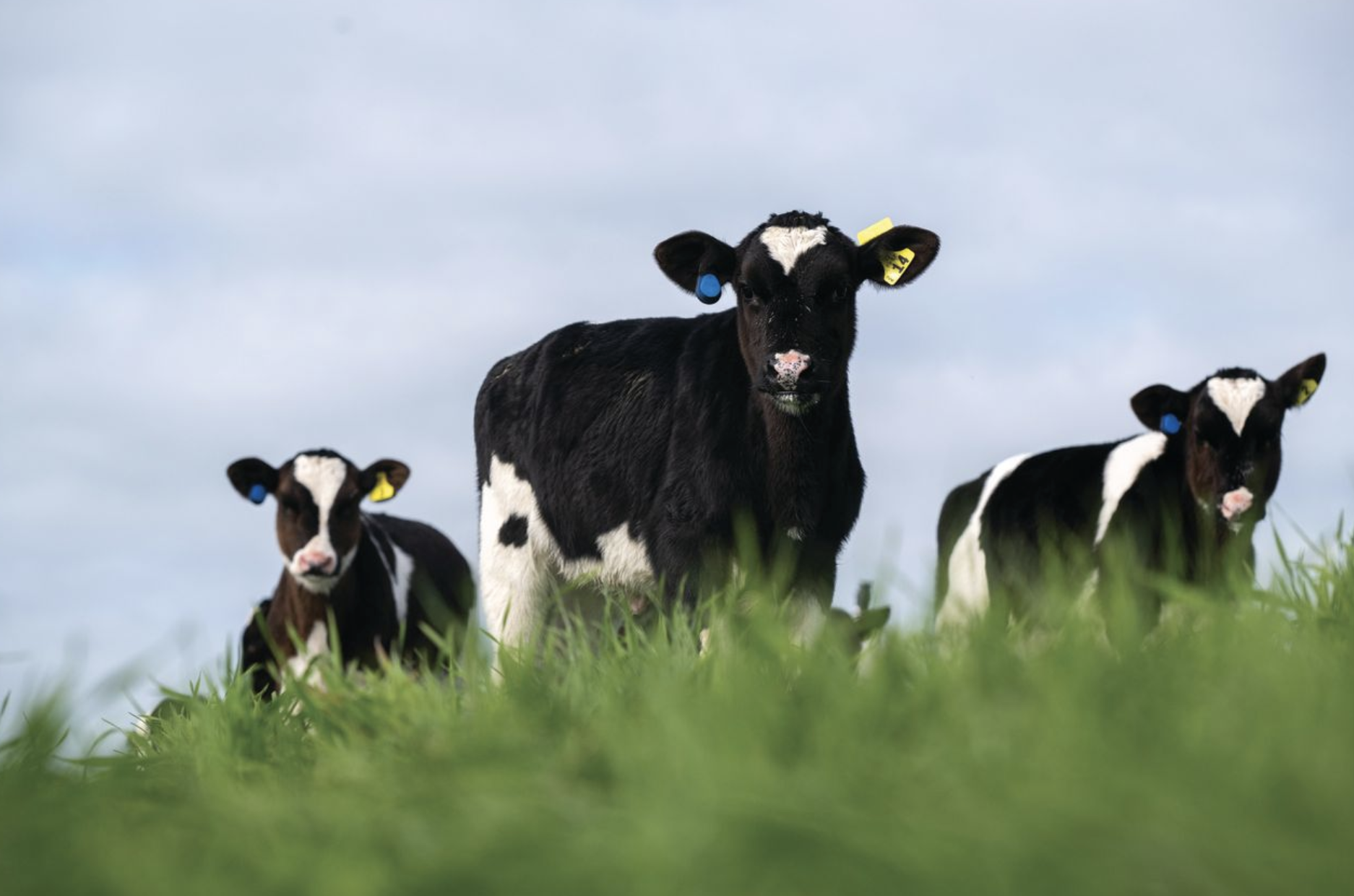
As DairyNZ points out, the core principle here is that giving replacement heifer calves the best possible start sets them up for a long, productive life in the herd.
Extra care and effort invested in those first weeks will pay dividends for years to come.
Well grown heifers simply make better milking cows, and that strong foundation begins from the very day they are born, it says.
First priority? High quality colostrum right from the start.
All calves must receive adequate fresh colostrum within the first 12 hours of life.
They should continue on colostrum or a colostrum substitute for at least the first four days.
To ensure they absorb enough antibodies, your farmers should aim to feed at least four to six litres of gold colostrum in those first 12 hours.
Because a calf's abomasum can only hold about one and a half to two litres at a time, the advice is to provide multiple smaller feeds during that critical window.
High quality gold colostrum registers a Brix reading greater than 22.
Brix readers are affordable and very quick and easy to use on farm.
Next – gentle, careful handling at all times. This is a must.
Quiet movements and patient interactions help build trust and reduce stress for the young animals.
Managers can support the whole team by using DairyNZ intervention guidelines as a practical training tool.
This allows everyone to discuss calving scenarios together, understand expected procedures, and know exactly when to call for help.
Filling in the farm’s key contact numbers and keeping a laminated copy with the calving kit helps the team stay confident and consistent, it adds.
This positive approach to handling ensures calves receive the kind, steady care they need from the time they’re born.
Don’t forget shelter.
All calves need protection from extremes of weather, particularly wind, rain and cold.
They should have access to a dry, clean and sheltered enclosure as soon as possible after birth.
The setup must minimise any risk of injury from slipping or sharp objects.
Bedding areas need to stay comfortable, clean and dry, with good ventilation so that ammonia gas does not build up.
Exposed concrete, bare earth or mud simply will not do.
No-one wants sick calves, but if disease or illness crops up, DairyNZ advises keeping the isolation or sick bay area well separated from other pens with its own access to contain the issue.
It says some farmers find it helpful to provide dedicated personal protective equipment for the calf shed area.
This reduces the chance of carrying bugs from the rest of the farm and can even avoid the need to scrub gumboots constantly.
Feeding calves well supports rapid growth and rumen development so they can reach weaning weights efficiently.
Milk or milk replacer should be offered at consistent times each day to reduce stress.
For replacements, providing grain based meal alongside the milk helps the rumen mature faster and supports earlier weaning.
Disbudding should ideally take place at two to three weeks of age, before the horn bud attaches to the skull bone.
Local anaesthetic is required for any disbudding method at any age.
Additional pain relief after the local wears off can reduce discomfort and help calves recover more quickly.
DairyNZ advises farmers talk to their vet or contractor about the best options, and use the organisation’s guidelines for disbudding.