
Gisborne maize mill rebuild on track for next harvest
Corson Grain says the rebuild of its Awapuni site is entering its next phase as the company works to restore and modernise maize processing capacity lost when a fire destroyed its maize gritting mill in March 2023.
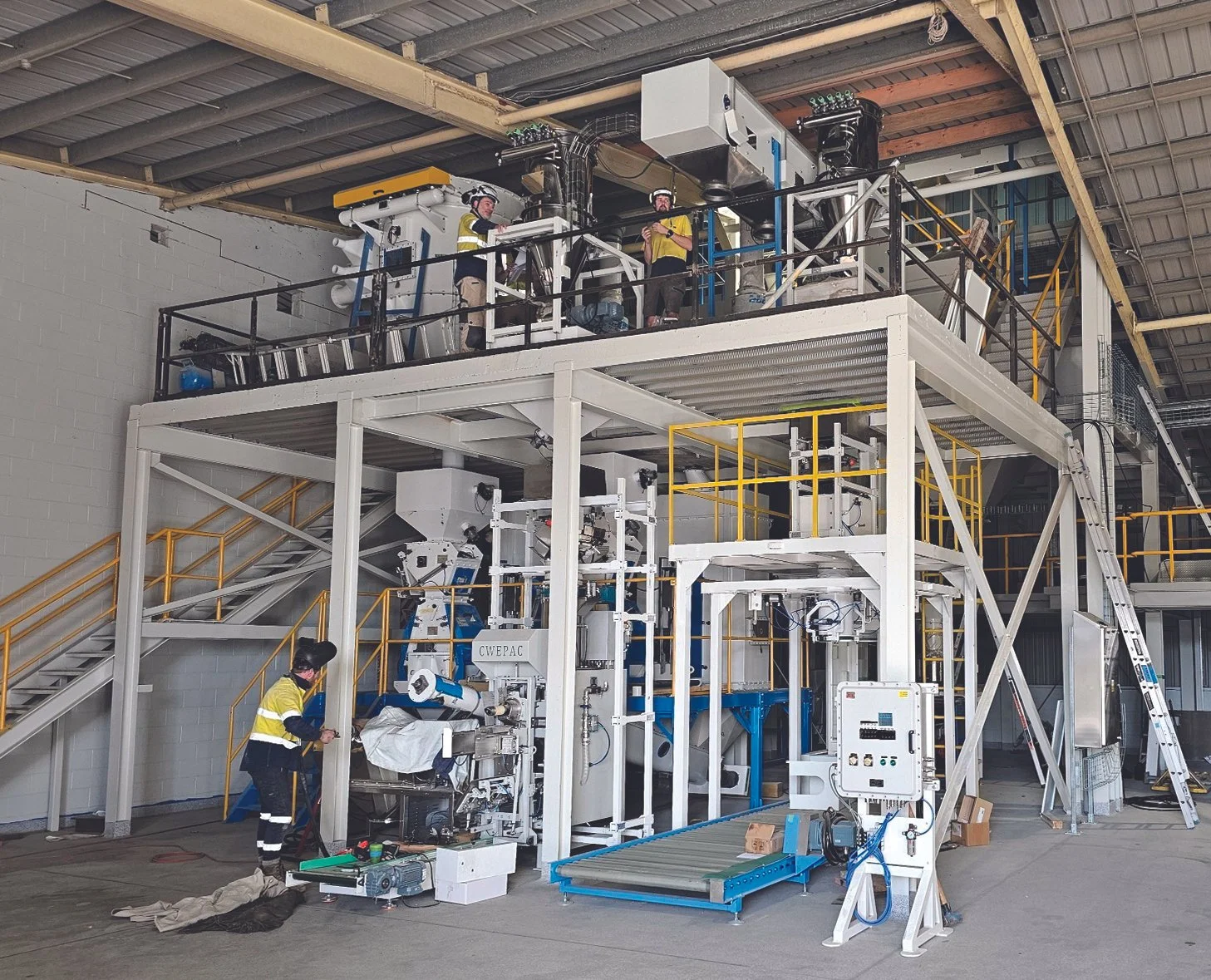
Chief executive Brett Thompson says the investment reflects Corson Grain’s long-term commitment to the East Coast region, local growers and the wider maize industry.
“The Corson family has had a presence in Gisborne for over a century now and, given the excellent quality of maize grown in the region, it was never an option not to rebuild here,” he says.
The rebuild project began in January 2025 with the recladding and repurposing of a former seed-cleaning warehouse at Corson’s Awapuni drying site.
That work was completed by mid-2025, followed by structural upgrades and removal of legacy equipment to prepare the building for installation of new plant.
Corson’s engineering team then travelled to China to inspect milling equipment at manufacturing sites before it was purchased through Auckland-based milling company GrainTech, Thompson says.
GrainTech worked closely with Corson on the overall plant design, including the use of the existing refurbished tower within the building.
Local engineering firms McCannics and Universal Engineering have supported the project through structural work, assembly and equipment placement.
The first tranche of equipment arrived late in 2025 and was installed over summer.
The machinery includes grain sifting and colour-sorting technology designed to improve cleaning of whole maize and popcorn supplied to snack-food customers.
Among the new technology is a Meyer AI colour sorter that uses deep-learning capability to significantly improve the sorting accuracy of light, mouldy and discoloured broken maize.
Its UV sorting system can also identify aflatoxin-infected particles to help ensure product meets strict quality standards.
The next phase will install grits milling equipment, expected to arrive in August, with commissioning targeted ahead of the March harvest.
Thompson says completing the build will be a long-term boost for the East Coast maize industry, local growers and the wider regional economy.
The finished mill will have a much greater capacity that will allow Corson to scale its export business, particularly to other food manufacturers in South-East Asia where it has an existing sales footprint in key markets.
Demand for milled maize ingredients remains strong, particularly with maize flour that has a wide variety of applications.
“The fact we can also point to sustainable growing practices with strong identity programmes from paddock to plate is important from a food safety perspective to these customers.
“Equally the fact that maize grown here is still GMO free is also an important factor in their purchasing decisions and is a unique selling point that we must preserve.
“At a time when manufacturing is struggling, to be able to build a state-of-the-art milling facility in Gisborne that will set the business up for decades to come is something quite special.
“We have to thank our grower base, customers, suppliers and other stakeholders who have supported us and made this possible,” he says.