
Avoiding rookie spray mistakes (even by professionals)
Keeping spray on target and using it to its best advantage is a science, especially with regional councils cracking-down on spray drift.
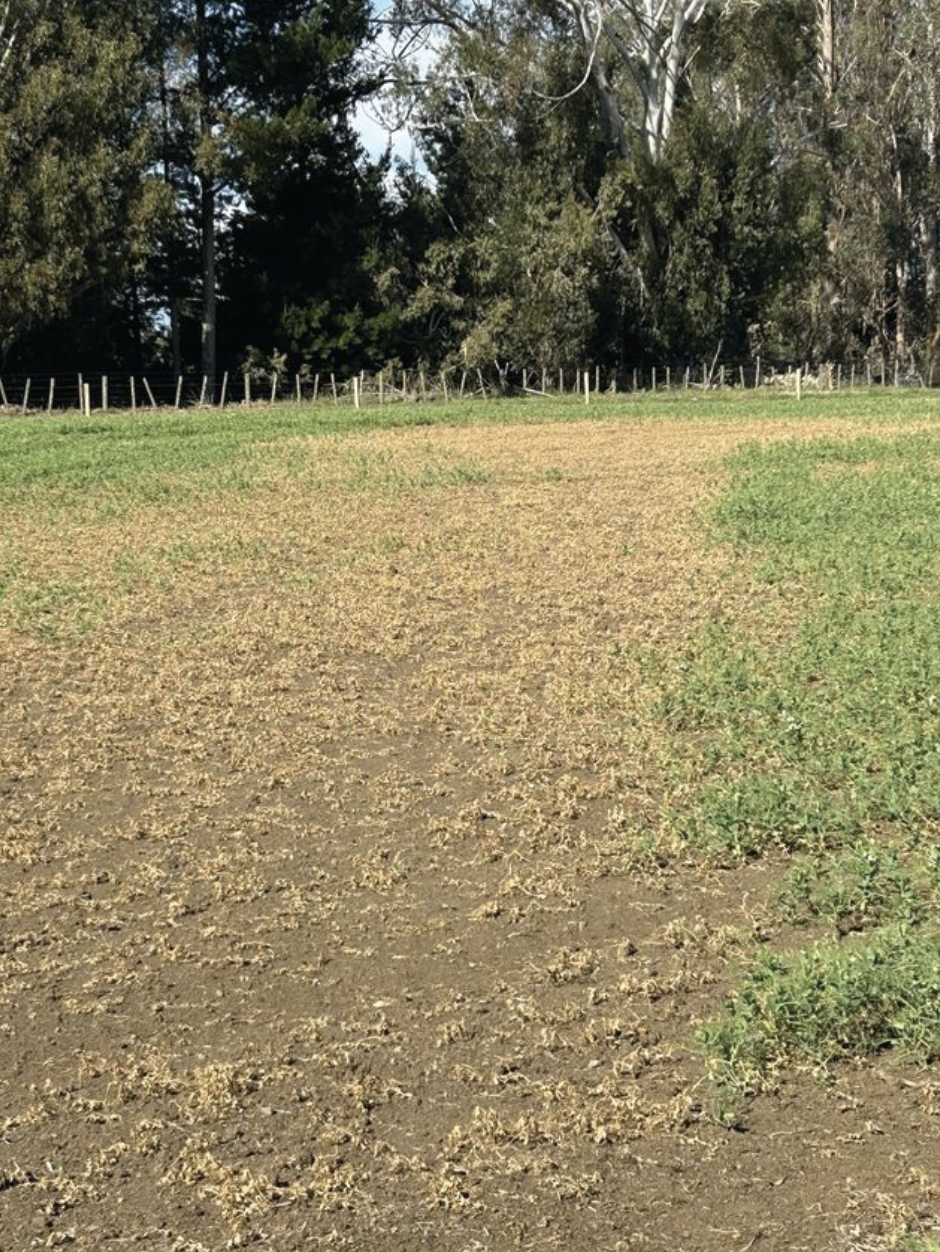
In addition there’s the economic reality of needing extract every last drop of value from spray applied.
For decades, UPL NZ (formerly Etec Crop Solutions) has provided the agricultural sector with over twenty targeted adjuvants which enhance spray performance.
Pieter Van Der Westhuizen, UPL NZ adjuvant lead and regional manager upper North Island, says a surprising number of people stumble at the first hurdle.
“You have to read the label carefully – even if you’re really familiar with a product.”
He says it’s particularly important to look at timings for re-entry, withholding and plant back periods.
“These can be very specific and can vary, even if you’re using the same product over a variety of crops.
It’s also important to choose products that are fit for purpose, and that includes adjuvants - the products that make sprays spread, stick or get into plants.
If you’re using a water-based chemical, then use a water-based adjuvant. It you’re using an oil-based chemical, pair it with an oil-based adjuvant.”
Van Der Westhuizen says foaming in the spray tank is another spray efficacy robber.
Though there is an easy and effective solution: FoamMaster he says it only takes a tiny amount to save the waste that comes from foaming.
Probably the best known of UPL’s adjuvants is Du-Wett.
Van Der Westhuizen recommends using the super spreader for optimal crop coverage.
“It saves time, reduces waste and, critically, there’s going to be a better outcome. Du-Wett will pay for itself.”
Du-Wett ensures spray gets exactly where it needs to be (effective deposition), extends spray application windows, and maximises spray programme’s ROI.
Importantly, it also helps prevent negatively impacting neighbouring crops.
Other key adjuvants are Li-1000 and Unison - surfactant, penetrant, and drift retardant, in one.
Van Der Westhuizen says the surfactants enhance the activity and penetration of herbicides and other crop protection products.
“Either Li-1000 or Unison is the perfect partner, particularly for spray-out, knock down herbicides such as glyphosate, enhancing activity and penetration.”
Another issue when using glyphosate is ‘hard’ water which has one of the biggest negative impacts on spray performance.
“X-Change changes hard water into soft by locking up free ions, which would otherwise deactivate products.”
To check water hardness, he recommends pool water testers.
Water hardness of 150 ppm is considered moderately hard and requires correction.
Last but not least, he says the adjuvant All Clear is the insurance policy spray contractors and farmers can’t afford not to have.
“Even tiny quantities of the wrong chemical left in the spray tank can have a huge impact.
Avoid cleaning spray tanks with laundry powder or ammonia.
They’re not going to remove every trace of spray – that’s not what they’re formulated to do.”