
A new gold standard in pre-emergence herbicides
Launched into the New Zealand autumn cereal market earlier this year, Tower is already generating strong interest amongst agronomists and growers planning spring-sown barley and wheat programmes.
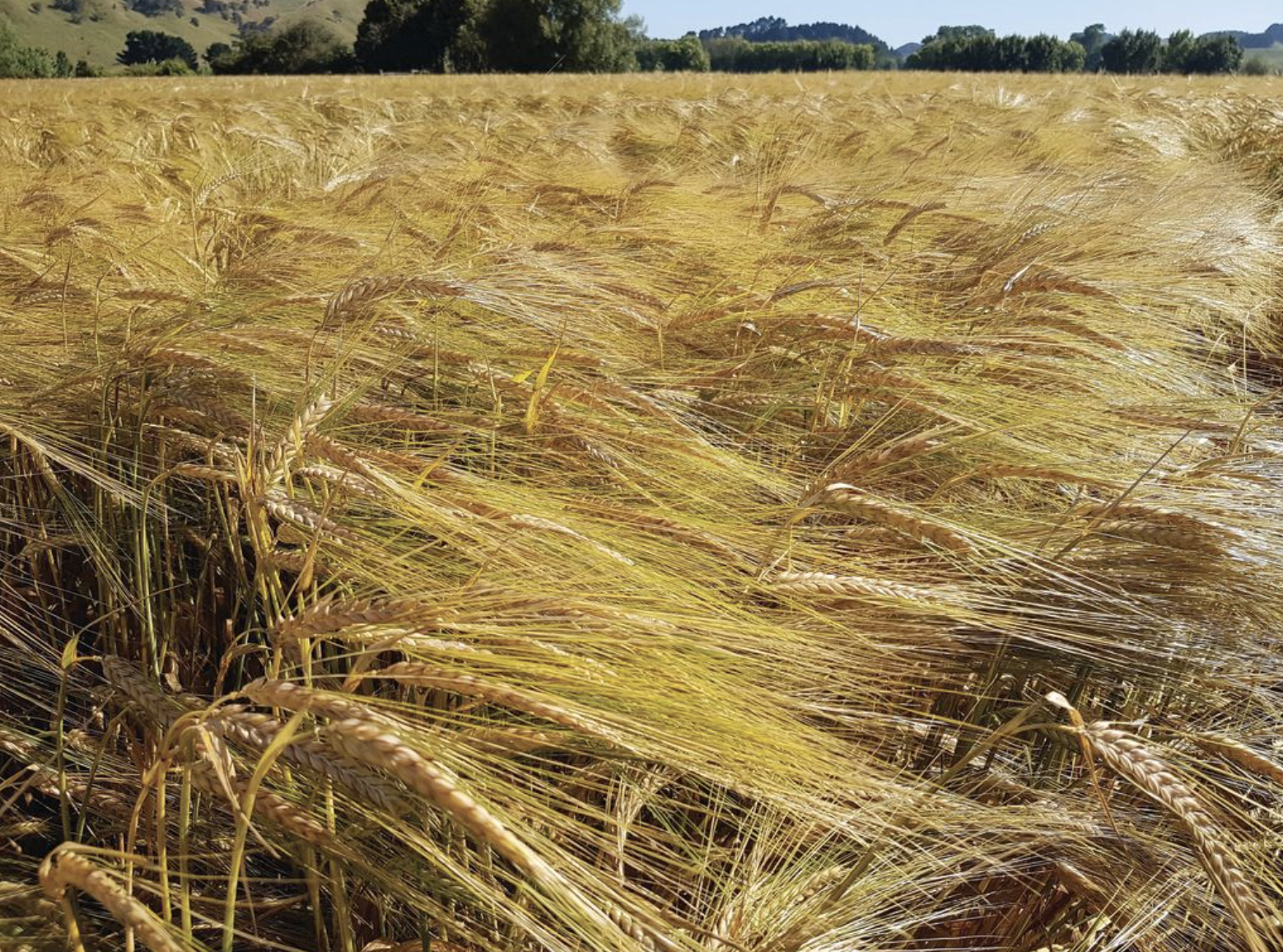
Many are seeing an excellent fit for Tower in spring crops, where early-season broadleaf weed pressure can be intense and spray workloads quickly become compressed.
Tower is a new pre-emergent herbicide for wheat and barley, bringing three complementary actives together in one product: Chlorotoluron (Group 5), pendimethalin (Group 3) and diflufenican (Group 12).
The combination delivers strong control of a wide range of broadleaf weeds and selected grass weeds in autumn and spring planted cereal crops.
Alan Steel, Adama Canterbury commercial manager, says Tower represents an important advancement for NZ cereal growers, particularly in spring-sown wheat and barley crops where broadleaf weed pressure can be intense.
“Spring crops can face significant weed competition early in the season, especially from broadleaf weeds.
“Tower gives growers the ability to get ahead of that pressure before weeds emerge and begin competing with the crop,” he says.
“Tower is particularly effective on polygonum weeds, a group that has often fallen between the cracks of traditional pre-emergent programmes.”
Steel says Tower also delivers an important resistance management benefit by introducing alternative chemistry to cereal programmes.
“This is the first time chlorotoluron has been available to NZ cereal growers, and it also brings pendimethalin into cereals, which some growers will already know from use in other crops.
“Many spring cereal programmes rely heavily on post-emergent Group 2 and Group 4 herbicides.
“Tower provides an alternative mode of action strategy earlier in the season, helping support integrated resistance management and protecting the long-term effectiveness of existing chemistry.”
Tower works by absorption through the roots and shoots of germinating weeds, delivering residual weed control from the start of the crop.
“That early timing has real practical advantages,” Steele says.
“Applying a pre-emergent herbicide allows growers to take care of a major portion of the weed burden up front, before spring workloads become compressed.
“As spring progresses, spray programmes quickly become crowded with nitrogen applications, fungicides, plant growth regulators and other herbicides.
“Weather windows can narrow, while labour and machinery are often under pressure. Using Tower early allows growers to tick off an important job before the peak workload period arrives.”
He says this flexibility not only improves weed control outcomes but also helps smooth workloads across the season.
Pre-emergent herbicides also play an important role in protecting yield potential by removing weed competition during early crop establishment.
Controlling weeds at germination reduces competition for nutrients, moisture and light at a critical stage of crop growth.
Steel says achieving consistent results with residual herbicides comes down to preparation and attention to detail.
“To get the best from pre-emergent herbicides, you need a quality seedbed, even spray coverage and incorporation of herbicide by rainfall or irrigation. The goal is to create a consistent herbicide film across the soil surface.”
To enhance efficacy and residual weed control, he recommends applying Tower to a well-prepared seedbed free of large soil clods, previous crop residue and excessive trash.
“If direct drilling aim to minimise heavy residue from the previous crop. Existing weeds should also be controlled before application, either through cultivation or by using a non-selective herbicide such as Polaris (glyphosate).”
Light to moderate rainfall after application helps activate Tower by incorporating the herbicide into the soil profile.
“When applied correctly, products like Tower become a valuable foundation for season-long weed management in cereals.”