
What sets profitable farm businesses apart
Building a profitable farming business has never been simple.
But new analysis by ANZ Bank of more than 4000 farm and orchard businesses across New Zealand offers some clear clues about what separates top performers from the rest.
The analysis spans dairy, red meat, kiwifruit, arable and pipfruit sectors, comparing financial performance over the 2020–2024 period with the five years prior.
Taking a long-term view smooths out seasonal swings and price volatility, giving a clearer picture of how different systems perform through both good years and tough ones.
One of the strongest messages is that revenue growth alone does not guarantee profitability.
While product prices can make a difference in good years, they are largely outside farmers’ control, the report says.
What matters more over the long run is how effectively a business turns land, stock or crops into saleable product.
Production efficiency, timing of decisions and attention to detail consistently separate higher-performing farms.
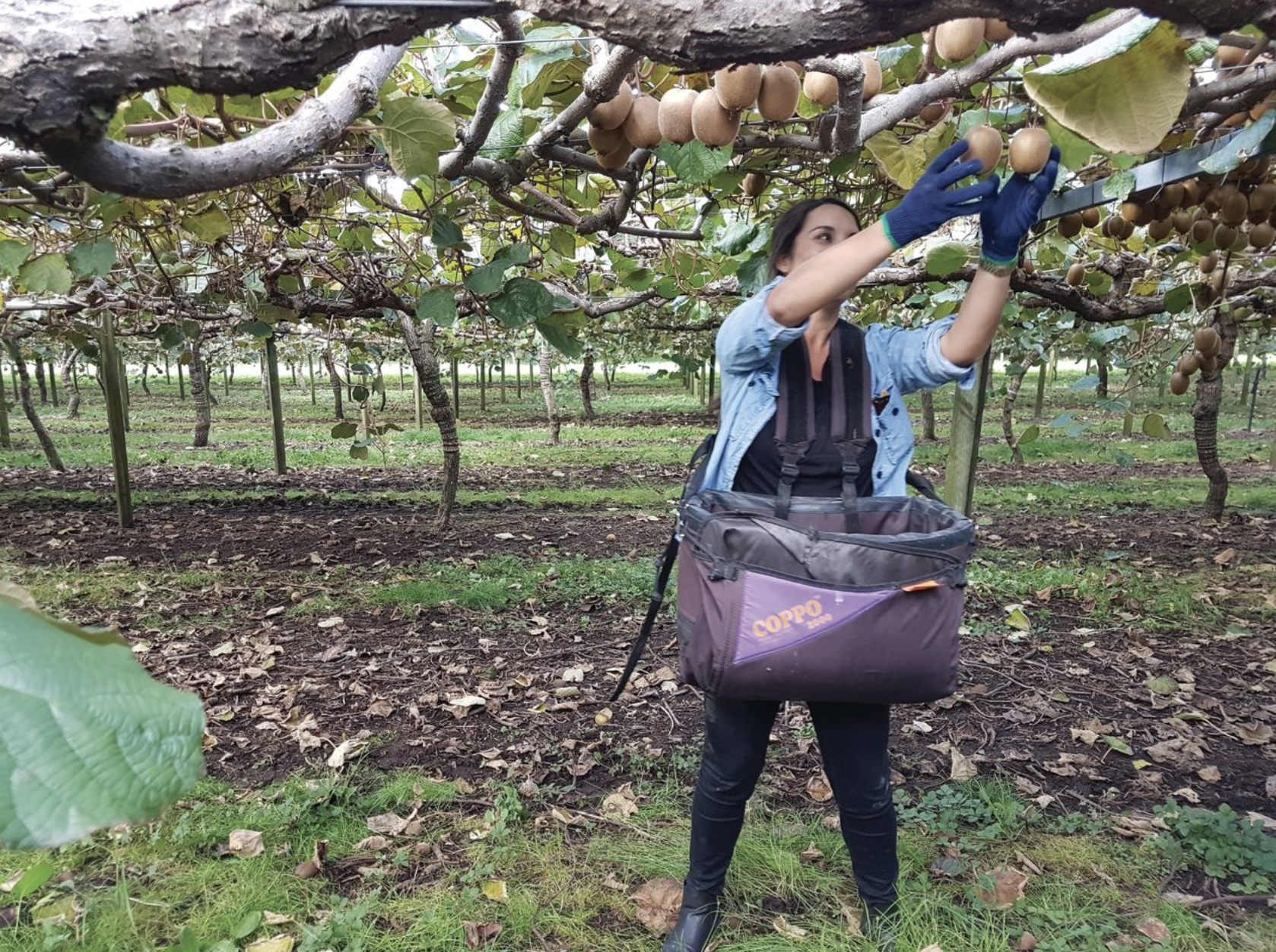
Kiwifruit stands out in the numbers, with significant gains in income over the past decade.
While strong export pricing has helped, the ANZ analysis shows production gains have been just as important.
Orchards that focused on canopy management, crop timing and hands-on decision-making at critical points achieved far greater returns than those relying on price alone.
Even within a sector dominated by Sungold, variety choice was only part of the story. System evolution and operator skill played a major role.
Dairy shows a similar pattern. Despite tighter environmental rules and rising costs, the sector delivered solid improvements in profitability, particularly among top performers.
Gains came from better per-cow performance, improved animal health and fertility, and a continued focus on maximising home-grown feed.
Efficient pasture utilisation remains a cornerstone of profitable dairy systems, reinforcing the value of genetics, soil management and timing.
Cost control is another recurring theme, but not in the simple sense of spending less.
Across all sectors, the past five years have seen sharp increases in farm working expenses, driven by inflation, labour shortages and higher input costs.
The most resilient businesses were those able to align spending with production and income cycles, rather than cutting across the board.
Red meat farming provides a clear example.
While average returns have been under pressure, top performers continued to outperform by managing costs tightly in low-income years and making incremental system changes rather than wholesale shifts.
Genetic gains, pasture utilisation and selective diversification — including forestry income in some cases — helped lift resilience.
The gap between average and top red meat farms remains wide, highlighting both the challenge and the opportunity within the sector.
Arable and pipfruit businesses face their own pressures.
Arable farms have lifted earnings but often at the cost of higher capital investment, particularly in machinery, irrigation and technology.
The challenge ahead is making sure those investments keep delivering returns as input prices rise.
Pipfruit growers have been hit hard by labour shortages and extreme weather, highlighting the vulnerability of some systems to external shocks. Growers investing in new varieties and downstream infrastructure are starting to see signs of recovery.
Across all sectors, the analysis shows one principle holds true: profit comes from combining revenue growth with disciplined cost management.
Cash remains central. Businesses that generate strong cash surpluses have more confidence to invest, adapt and ride out downturns.
Over time, that creates a self-reinforcing cycle of improvement.
Perhaps the most important takeaway from the ANZ data is that high performance is rarely accidental.
Top farms and orchards tend to share common traits — clear goals, strong advice networks, disciplined management and the confidence to invest even when conditions are uncertain.
The numbers show New Zealand farming has strong potential.
Unlocking it depends less on chasing price highs and more on getting the fundamentals right, season after season.