
The four drench tips your farmers need most
Words: Zoetis
When it comes to livestock parasite management, the stakes are high - animal productivity, welfare, and farm profitability all depend on effective control strategies.
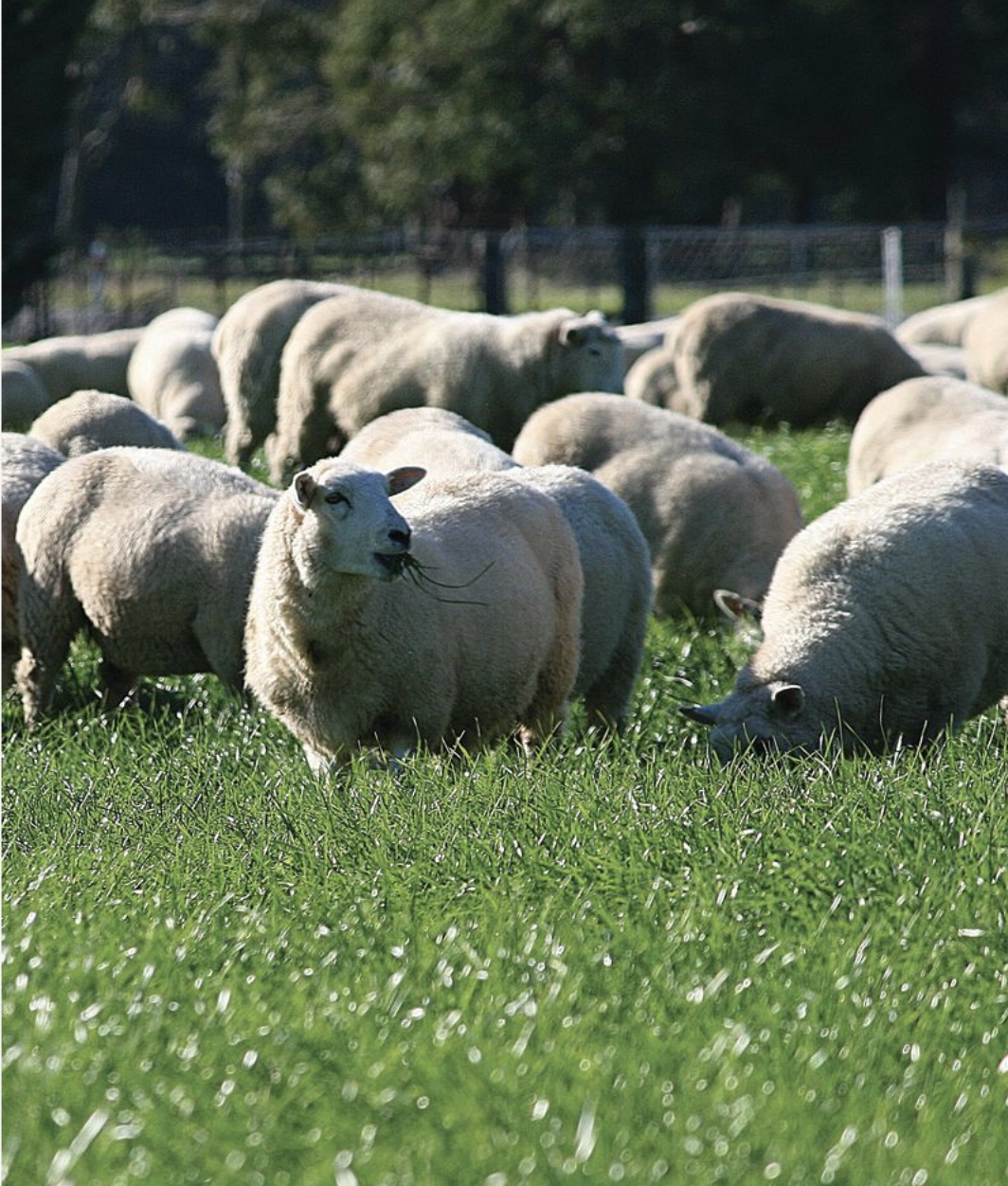
Animal health advisors play a key role in guiding farmers toward sustainable, science-driven practices.
One practical framework for parasite management is the acronym FARMED, which stands for Feed, Avoid, Refugia, Monitoring and Effective Drench.
For retailers supporting farmers, the focus should be on the first four steps, which deliver long-term benefits beyond simply recommending a drench.
Here’s how you can help clients strengthen their parasite control, starting with feed.
Nutrition is their first defence against parasites.
The priority is feeding young or susceptible stock well, with good quality and sufficient leafy feed.
Well-fed animals have stronger immune systems and can tolerate some parasite burden with less productivity loss.
Encourage clients to plant leafy crops, focus on vulnerable groups like young stock or pregnant animals, avoid overstocking, and use pasture rotation to maintain quality forage.
Hungry animals graze closer to the ground, which increases parasite exposure.
When discussing supplements or pasture management, remind farmers that investing in nutrition also supports parasite control.
Next is avoiding unnecessary exposure to larvae.
Strategic grazing plays a central role.
Many parasite issues stem from poor pasture management and repeatedly grazing high-risk animals in the same areas.
Rotational grazing helps by moving young stock onto fresh paddocks regularly, reducing the chance of ingesting larvae that sit lower in the sward.
Integrated grazing is also effective.
Running cattle and sheep together, or alternating them, reduces parasite build-up since most worms are host-specific.
Older animals can be used to clean up pasture quality, rather than putting pressure on young stock.
Lamb finishing and heifer grazing blocks are high-risk areas, so they need additional management.
New or returning animals should always be quarantined and drenched before joining the main mob, as they may carry resistant parasites.
Infrastructure like fencing, water troughs, and paddock layout can make a big difference in enabling better rotation and separation.
The R in FARMED stands for refugia—deliberately leaving some worms untreated to slow resistance.
It runs against instinct, but it’s a key part of long-term parasite control.
Avoid drenching every animal every time.
Leaving the strongest, healthiest animals untreated allows susceptible worms to remain in the population.
Instead of blanket treatment, focus on vulnerable groups such as lambs, heavily infected stock, or animals under stress.
Extending the interval between drenches also helps build refugia, but this must be backed by monitoring.
Monitoring gives farmers the data to make informed decisions.
Blind drenching increases resistance risk and can waste time and money.
Faecal Egg Counts (FEC) help identify parasite levels and check drench effectiveness.
Good timing includes testing 10–14 days after drenching to confirm it worked, and again before the next planned treatment to see if it’s actually needed.
Monitoring also shows how well grazing and feeding strategies are working.
FEC kits are becoming more common, so they’re worth offering alongside drench advice.
Finally, when treatment is required, focus on using an effective drench.
Drench still has a place, but it should be the last tool used, not the first.
Treat drenches as a limited resource.
Check effectiveness regularly and base product recommendations on actual farm results from FEC testing.
By focusing on Feed, Avoid, Refugia and Monitoring, you help farmers build stronger systems, reduce reliance on chemicals, and protect drench performance long term.
Make FARM the foundation, then use ED only when it’s genuinely needed.