
Quality, pricing now the priority after bumper season
All eyes are on fruit quality and pricing as New Zealand’s largest ever kiwifruit harvest moves from orchard to market.
With picking complete after a three month campaign, attention is shifting to how the record crop performs on supermarket shelves in NZ and overseas, and whether strong returns can be maintained.
About 225 million trays have been harvested this season, surpassing the previous record of 216 million trays in 2025, which generated $3.56 billion in fruit and service payments.
Only small volumes remain on orchards, with each tray averaging around 30 fruit.
Green, gold and red varieties are now flowing through coolstores and into global supply chains, where growers will be watching closely for signals on quality and price.
Early indications suggest fruit quality is tracking well, though a clearer assessment will emerge later in the year.
Maintaining condition from orchard to consumer remains a critical focus, particularly as the industry continues working to address quality challenges seen in recent seasons.
New Zealand Kiwifruit Growers Inc. chief executive Colin Bond says the scale of the crop reflected a significant collective effort.
“I would like to thank everyone involved in orchard and packhouse operations for their hard work in picking and packing this exceptionally large crop.
“Harvest is a true team effort, and everyone across the supply chain plays a critical role in ensuring its success.”
Bond says fruit has so far reached international markets successfully despite ongoing global disruption, though growers would be monitoring performance carefully as volumes build.
The season has delivered mixed fortunes across varieties.
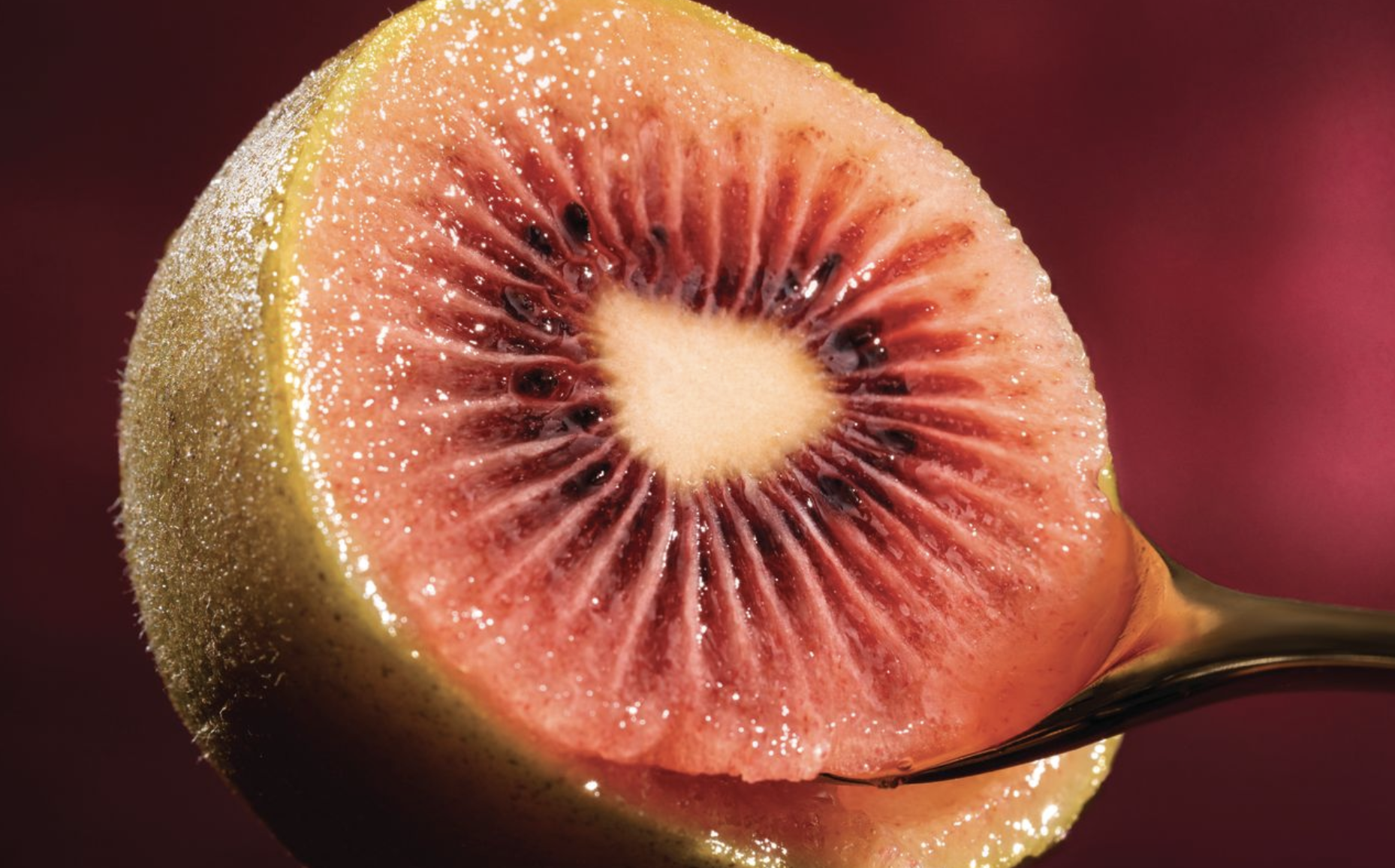
Around five million trays of red fruit were picked early and sold by mid May.
SunGold volumes reached nearly 162 million trays and continue to ship offshore.
Green kiwifruit has faced more uncertainty, with delayed maturity slowing harvest and yields down more than 14 per cent on last year.
While per tray returns have been strong, reduced volumes may weigh on overall profitability.
“In a world that is becoming increasingly fractured, with supply chain risks and trade barriers, we’ve worked together to create a value chain that is best in class.
“The value we see today is not accidental. It is the result of a system that works, and one we must protect,” Bond says.
Growers expect clearer returns by September, with five year forecasts remaining strong across all varieties.