
Low methane dads don’t work once milking starts
A multi-year genetic research programme has found the low methane trait identified in dairy bulls does not express itself once their daughters enter lactation.
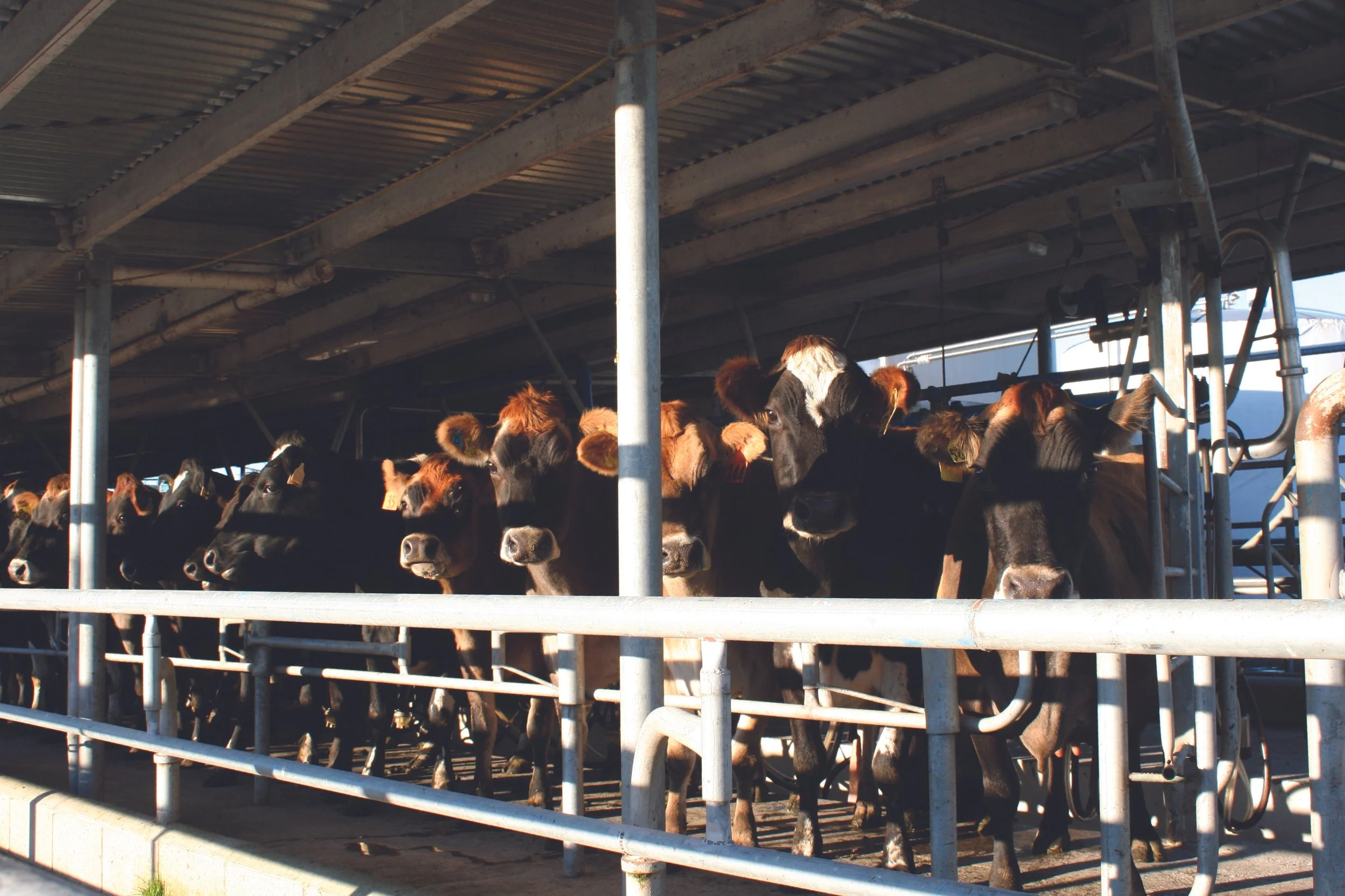
The joint project between LIC, CRV and the Ag Emissions Centre, which is fully government funded, was hailed as world-leading research when launched.
So far it has cost more than $11 million over five years, with $8.3 million coming from the Ag Emissions Centre and LIC contributing a further $3 million to build the methane barn at its Rukuhia Innovation farm.
LIC says the outcome is disappointing, and will take months to analyse and understand, but does not mark a dead end. Rather it provides ‘clear direction’ on where to go next.
“First, we have learned that methane traits in bulls are heritable, and this knowledge is already being applied within our dairy beef breeding programmes,” it says. “Second, it shows us that genetics still can have a meaningful role to play in reducing gross methane emissions but need to be studied through a different approach.”
Such an approach is likely to focus on measuring larger numbers of lactating cows for methane production to generate DNA-based selection criteria. “We still believe that reducing gross emissions is an important part of the ongoing sustainability of NZ’s dairy sector,” LIC says.
Close to 400 daughters from low and high emitting sires were assessed in the latest phase of the programme last year from the time they began lactation. They were all barn housed and fed silage and grain.
According to the original project timeline, if this stage proved successful, 2026 was to have seen all artificial breeding bulls from LIC and CRV capable of having a methane breeding value, allowing farmers to select bulls who would product low methane-emitting cows. While this has not been achieved, LIC says ‘in the longer term’ the work so far has provided information that will make a material difference on-farm to dairy producers’ efforts to mitigate methane emissions.
“We have identified that 20 per cent of the variation we see for methane production is genetically controlled. This gives us confidence to continue research to deliver lower methane genetics in the future.”
The executive director of the Ag Emissions Centre, Naomi Parker, agrees the findings are still valuable. “For beef and sheep, we are still confident in the approach, and we will be feeding the insights from this trial into work underway in these areas.”
Since 2020 it is estimated government and industry have spent between $250 million and $450 million on dairy methane mitigation in NZ, including genetics, inhibitors, vaccines, probiotics, low emissions pastures and testing facilities.
According to a methane and science target review prepared for the Ministry for the Environment late 2024, NZ’s methane emissions including dairy comprise a fraction of one percent of the world’s total.
Countries which have deployed commercial scale methane breeding values for their dairy sires include Canada, the Netherlands, and Ireland.