
CropX has been added as a digital agronomy partner on the Lincoln University McCain Foods NextGen Regenerative Farm, an eight-year research project that will compare regenerative and conventional systems on a commercial-scale potato rotation near the Lincoln campus.
The collaboration converts part of the existing Lincoln University Research Dairy Farm into a 20-hectare demonstration site.
It will run three replicas of both regenerative and conventional treatments through a full 1:8 potato rotation under New Zealand conditions.
Researchers will measure soil health and carbon, inputs, pest management, water use, crop performance, yields and profitability. The first crops are scheduled for planting in autumn 2026.
The trial is led by Lincoln University’s Dr Pieter-Willem Hendriks and Tika Schellevis from McCain Foods, with a steering group that includes farmer and sector representatives to keep the work practical.
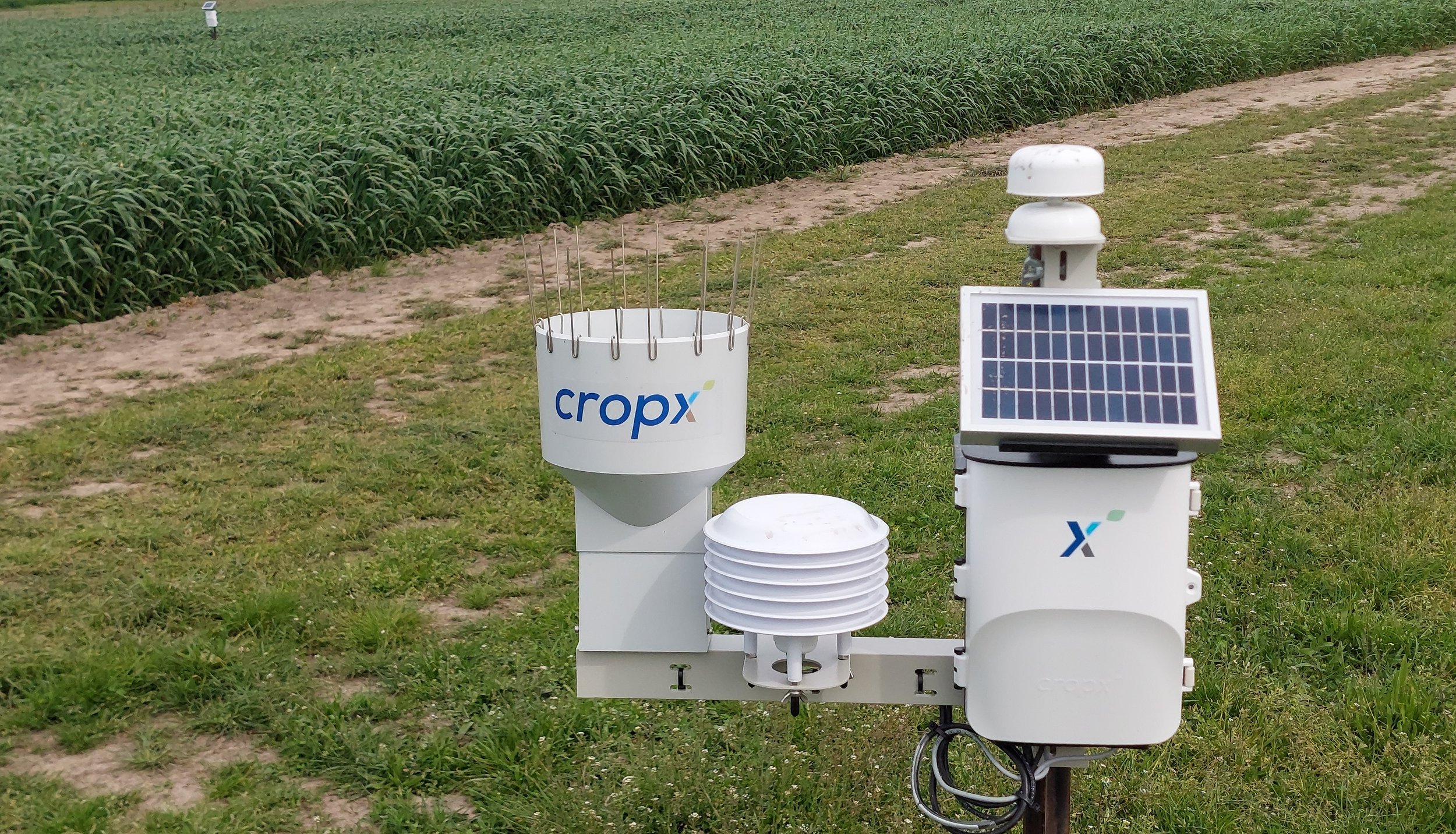
As co-collaborator, CropX is supplying its AI-powered digital agronomy platform together with soil moisture probes, actual evapotranspiration monitoring and weather data.
The latest Apex soil probes (60 cm and 90 cm depths, depending on the crop) will sit in every crop in the rotation.
These continuous measurements will be combined with satellite imagery and analysed through the CropX system so the research team can track differences between treatments in real time.
CropX says its technology will support variable-rate irrigation management and provide real-time insights into soil moisture differences between the regenerative and conventional treatments.
It is also expected to help optimise spray timing through the platform’s disease-warning tools.
Beyond the specific trial, the company says results will help validate the role of continuous field sensing and digital agronomy in science-based sustainability programmes more broadly.
McCain has set a global target of regenerative practices across all the potato acreage it uses by 2030.
Local demonstration sites such as the Lincoln farm are intended to generate New Zealand-specific evidence that growers can apply, rather than relying solely on overseas results.
The open design of the project also leaves room for additional partners as the work progresses.
For growers watching water limits, input costs and soil performance, the trial offers a multi-year, side-by-side look at how regenerative approaches perform under Canterbury conditions when backed by continuous soil and weather data.
Results are expected to emerge progressively over the eight-year rotation rather than from a single season.