
Global seeds to future-proof Kiwi pastures
As New Zealand summers get hotter and drier, the Bioeconomy Science Institute is backing research into climate-resilient pastures by sourcing seeds worldwide.
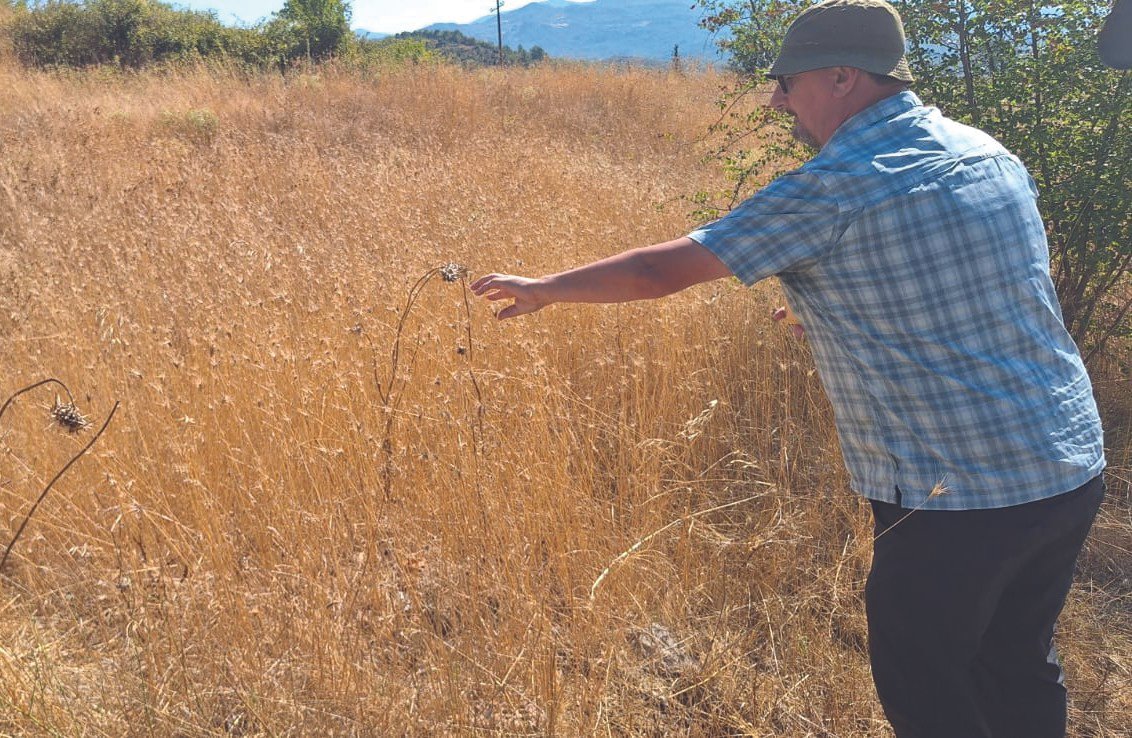
Seed hunter Zane Webber recently gathered more than 300 seed samples from 45 sites across Albania and Serbia.
Among the new species are ryegrass, clover, fescue, cocksfoot and herbs like chicory.
The seeds will join the Margot Forde Genebank in Palmerston North.
It’s the first time seeds from these regions have been added to the collection.
Securing them took years of building trust and international agreements.
The genebank holds over 175,000 seed samples from more than 100 countries.
It is the largest forage genebank in the world and a key resource for food security and sustainable farming.
Webber says the newly-collected seeds, which will arrive here in a couple of months, are valuable because they come from drought-hit regions.
“Plants that survive harsh conditions offer genetic traits we need to breed pastures that can handle climate change.”
He says expanding the genebank is vital for NZ’s primary industries.
“Nearly all our forage species originate overseas, so we must keep finding new genetics to stay ahead of climate and pest challenges.”
The seeds will be available to researchers, breeders and farmers looking to diversify pastures.
Webber says the mission meant long hours collecting seeds from roadsides where diversity thrives.
Each site was logged and processed in real time, and seeds were cleaned to meet strict biosecurity rules.
He credits success to support from local genebanks and international experts.
Webber has led seed missions for 20 years across Europe and Asia.
He says the work is rewarding but tough.
“It’s not glamorous, but these trips let you connect with people committed to conserving plant genetics,” says Webber.
Seeds in the genebank can be requested by researchers worldwide.
“They’re a gift to humanity because no country can rely only on its own genetic resources,” says Webber.