
End-to-end forage brassica support for Kiwi farmers
One of the country’s biggest crop protection suppliers has made it even easier for farmers to produce healthy, high-yielding forage brassicas this season, extending its portfolio to cover all stages of crop establishment and growth.
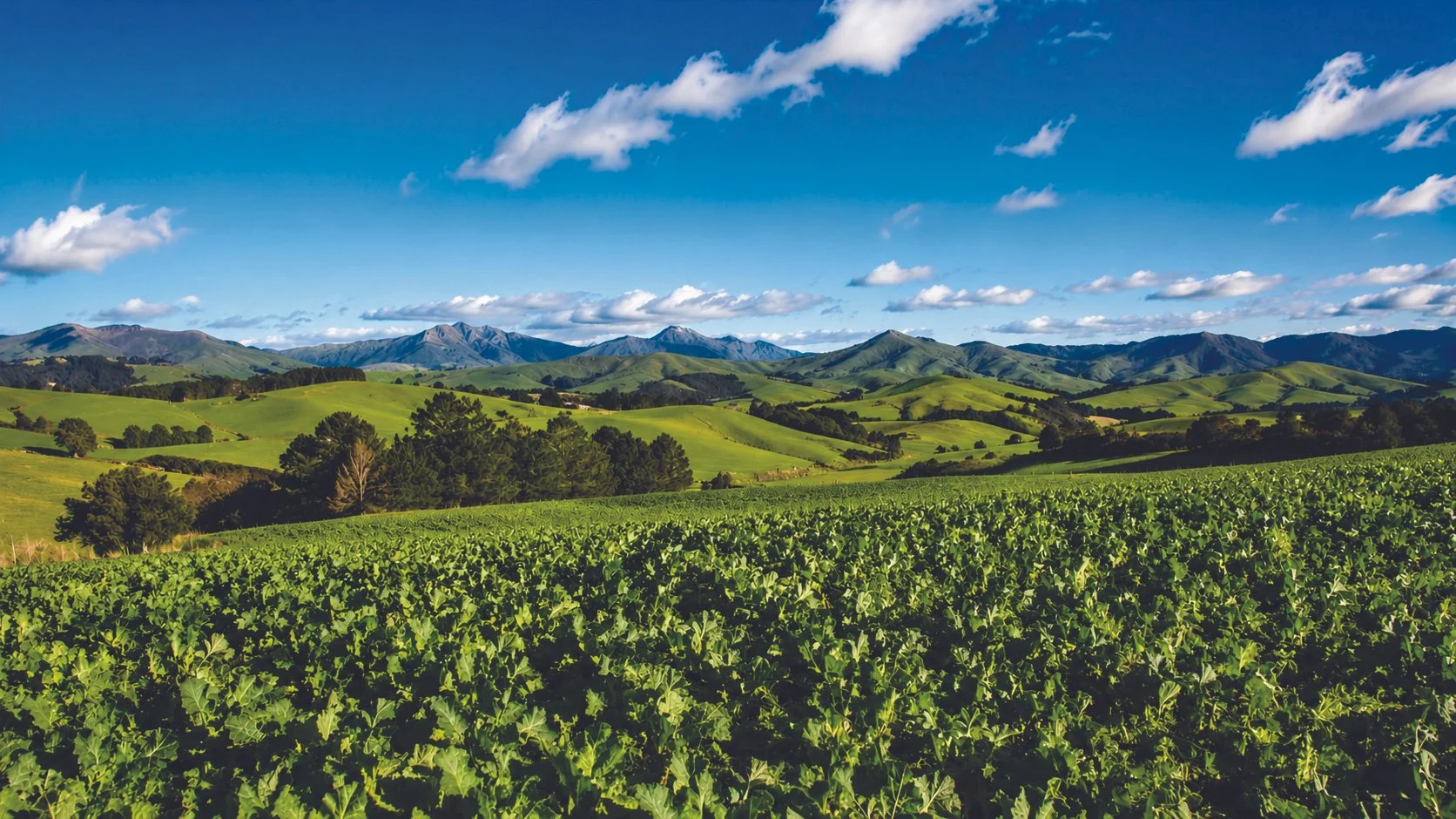
“Customers asked, and we listened,” says Mike Cox, Nufarm South Island Sales Lead and Business Development Manager for South Canterbury and North Otago.
The most recent addition to Nufarm’s forage brassica range is Omnia, a selective post-emergence broadleaf herbicide containing 30 grams per litre of aminopyralid (Group 4).
Cox says this complements the company’s existing herbicide offering of offering of Director CS (Group 3) for post-plant, pre-emergence, and Kamba 750, Prestige, Archer (all Group 4) and SeQuence (Group 1), for post-emergence.
In addition to Omnia, Crest 520 (Group 1) has just been approved for a label extension so it can now be used for post-emergence control of grass and storksbill in kale and late-maturing rape.
Another product is expected to be registered soon for use in forage brassicas, he adds.
“Our regulatory team has been working very hard this past season to get these new options over the line and approved for use in time for spring sowing.
“We’re really pleased to be able to offer resellers and their customers a range of alternative crop protection products for what is a critically important forage category, especially in the South Island.”
Achieving high crop yields, however, starts weeks before sowing with top-rate paddock preparation, and here too Nufarm has everything farmers need to set themselves up for success, Cox says.
“A pre-plant application of Crucial (Group 9) and Pulse Penetrant to clean up any existing vegetation is the gold standard for crop preparation, with the added benefit of farmers being able to include appropriate companion herbicides for hard-to-kill weeds.”
Where springtails pose a potential threat to brassica seedlings, insecticide Dew 600 (Group 1) can be mixed with Crucial before sowing, and SlugOut is recommended in all situations where slugs are likely.
“The importance of early weed and insect pest control cannot be over-emphasised,” Cox says.
“Any loss of potential forage crop yield in the initial stages of establishment cannot be recovered, and as we all know, it costs just as much to grow a poor-yielding crop as a high-yielding one, so there’s every incentive to pay attention to detail from the outset.”
Where needed, post-emergence herbicides give best results when applied to small seedlings weeds that are actively growing, well before crop canopy closure.
Typically, application should occur within three to six weeks after sowing.
Depending on how weather conditions pan out over coming months, optimising spring-sown forage brassica crops could be more important than ever this season, Cox says.
“If El Nino eventuates as predicted, pasture and supplements like silage and baleage could well come under heavy pressure in some regions. We know from previous drought seasons this can have implications not only for summer feed, but winter feed as well.”