
End of the road for legacy herbicide brands
Syngenta, the original registrant of paraquat herbicide in New Zealand and Australia, is exiting the market in both countries on commercial grounds.
Gramoxone 250 and Preeglone were approved for use in New Zealand in 1962 and 1965 respectively.
Syngenta's announcement follows an extensive regulatory review by the Australian Pesticides and Veterinary Medicines Authority (APVMA), which confirmed paraquat could remain available in Australia only under significant new restrictions on application rates and permitted uses.
The decision to exit is driven by compounding commercial, regulatory, manufacturing and logistical challenges that make the portfolio financially unviable, says David Van Ryswyk, Managing Director, Syngenta ANZ.
For years, Syngenta has continued to support its paraquat portfolio despite highly competitive generic pressure eroding profitability.
With Syngenta's local toll partner ceasing formulation of paraquat herbicide products and the closure of specialised hazardous chemical warehouses, the cost of establishing new, fully compliant local formulation and storage capabilities is cost prohibitive.
"Paraquat has been a highly valued productivity and conservation tool for many Australian and New Zealand growers.
“However, dedicating significant resources to unprofitable legacy products is no longer sustainable if we are to maintain our commitment to long-term agricultural innovation.
“This decision, while difficult, allows us to redirect our resources and focus on bringing the next generation of advanced, sustainable crop protection technologies to ANZ growers.”
He says the company is committed to working closely with distribution partners, growers, and industry bodies to ensure a responsible and orderly transition.
The company will manage the phase-out of its paraquat products in strict alignment with the APVMA's designated sell-out and use-by timelines.
Ten other herbicide formulations containing paraquat are currently registered for use in New Zealand, with the most recent being approved as recently as mid-July.
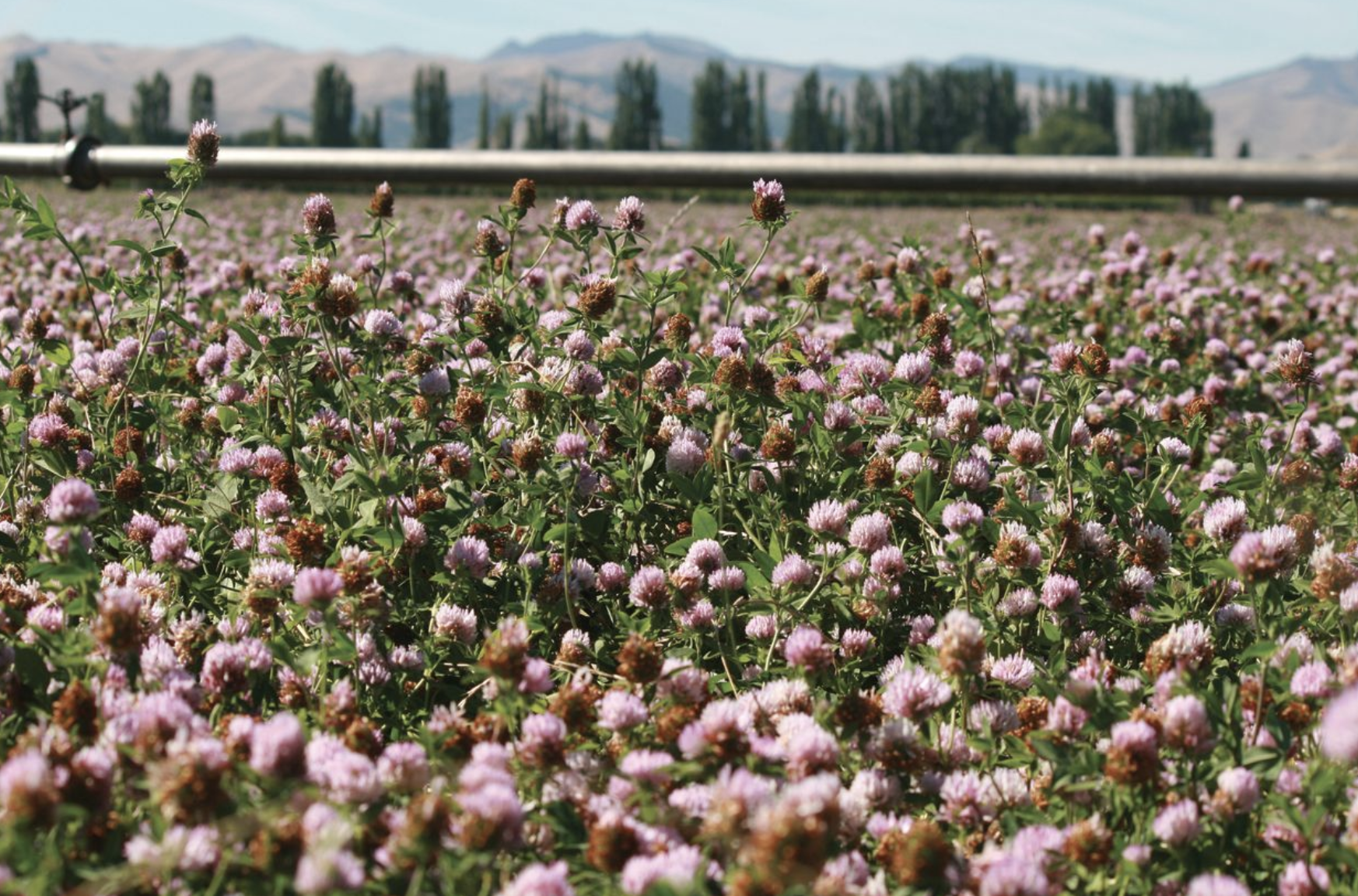
The active ingredient is used here for selective weed control in clover seed crops and lucerne.
Andrew Weidemann, spokesperson for Grain Producers Australia (GPA) research, development and extension, says the move is deeply disappointing and unsettling for Australian growers, and GPA will seek clarity about any implications for existing registrations and the continued supply of paraquat products.
The withdrawal also raises broader questions about whether Australia’s market and regulatory settings encourage companies to maintain established products and invest in bringing new chemistry to Australian growers.