
DOC cites financial security in Molesworth choice
What’s the difference between 8,375 ha, and 68,570 ha?
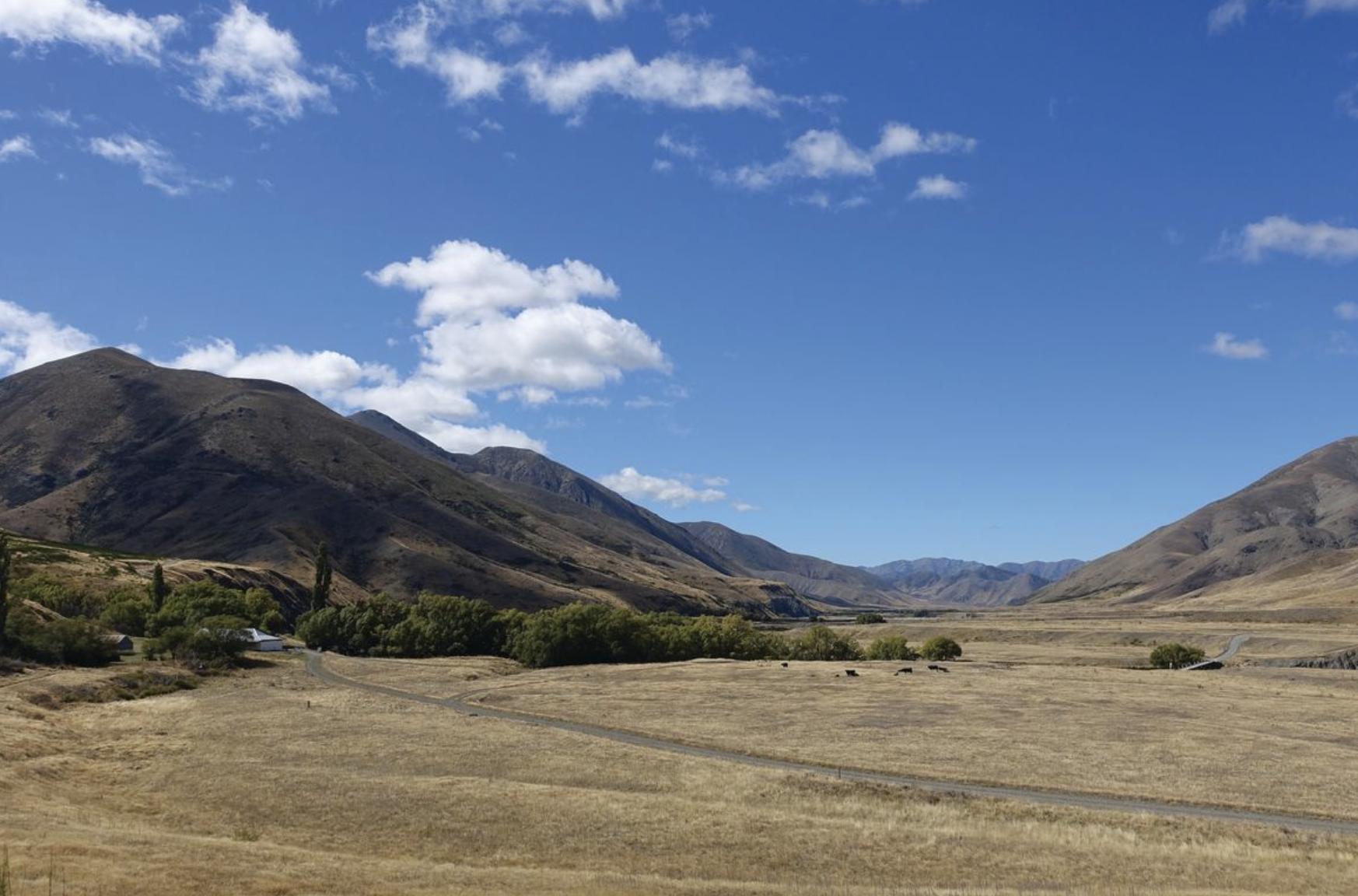
According to the Department of Conservation, not enough to matter when assessing high-country farming experience for the Molesworth Station lease.
The first figure is the amount of South Island high country land DOC says is grazed by its preferred lease applicant, Ngāi Tahu Farming.
The second figure is the approximate grazed area of Molesworth itself, according to an Integrated Land Use and Farm Environment Plan prepared for long-time leaseholder Pāmu Landcorp Farming in 2020.
Plan author AgFirst said at the time the State Owned Enterprise (SOE) was only grazing 38% of the 180,470 ha that makes up New Zealand’s largest and arguably most iconic farm.
In announcing its future leaseholder preference for Molesworth, DOC said experience was a deciding factor.
In the words of Deputy Director-General Regional Operations Henry Weston, “this decision ultimately came down to Ngāi Tahu Farming ... having the strongest experience of farming at scale in the high country of those who applied.”
One of the other applicants was a not-for-profit group fronted by Jim Ward, who managed Molesworth for 24 years.
Against that background, DOC’s claim that Ngāi Tahu Farming had the strongest high-country experience of those who applied invites closer scrutiny.
Molesworth is virtually incomparable.
In scale, size, altitude, topography, carrying capacity, climate, and locality, there’s nothing else like it in New Zealand.
Ngāi Tahu Farming’s high country holdings in the lower South Island comprise about 36,000 ha in total transferred as part of the Ngāi Tahu Claims Settlement Act 1998.
Greenstone, Routeburn and Elfin Bay Stations sit at the north-western end of Lake Wakatipu, and are grazed as one unit carrying 900 cows and 8,000 sheep.
As well as being much larger, Molesworth is on average higher, colder and drier, and grazes approximately 6,000 cattle, the country’s biggest herd of cattle.
Asked about the experiential and physical differences between the two settings, DOC Northern South Island Regional Director Martin Rodd heightened the Crown’s focus on financial security in assessing the five applications.
“The decision ultimately came down to the combination of Ngāi Tahu Farming’s strong high country farming experience, and Ngāi Tahu’s strong financial and business foundations which offered long-term security for the Crown.
“We recognise Mr Ward’s significant high country farming experience. However, Mr. Ward’s proposal did not demonstrate the financial and business foundations to give certainty to the Crown.”
Rodd says DOC’s Henry Weston made the decision after carefully considering a range of advice.
“Independent advice was sought from an expert farming advisor, iwi, and a sub-committee of members of the Molesworth Steering Committee, an advisory group with farming, biodiversity, recreation and cultural expertise.
“Internal advice was also provided, looking at how biodiversity and heritage values will be protected, how cultural values and Treaty principles will be upheld, and how public access could be improved and facilitated.
“The applications and all of this advice were provided to the decision maker who undertook a careful analysis and weighed up the information to make a robust decision.”
Federated Farmers has congratulated Ngāi Tahu Farming on being named preferred lease applicant for Molesworth.
"Molesworth is an incredibly special property for all New Zealanders, owned by all New Zealanders, so it’s important whoever takes on the lease is well set up to succeed,” says President Colin Hurst.
He describes Ngāi Tahu Farming is a credible South Island farming operation with the scale, experience and financial resilience needed to farm a property like Molesworth.
It has a strong balance sheet and is well placed to run an integrated system with existing finishing farms around North Canterbury.
Hurst says it’s important Molesworth’s core focus remains maintaining a viable pastoral livestock farming operation, as it has been for the last 175 years.
"There also need to be clear expectations set that public access to Molesworth is protected and that there is a commitment to active weed and pest management."
Ngāi Tahu will now be invited to lodge an application for a farming concession with DOC.
This will be publicly notified, so people will have a chance to have their say on the application.