
A grass breeding barrier finally gives way
Interest is already building among farmers and plant scientists following a quiet but significant grass breeding breakthrough that could eventually reshape future pastures.
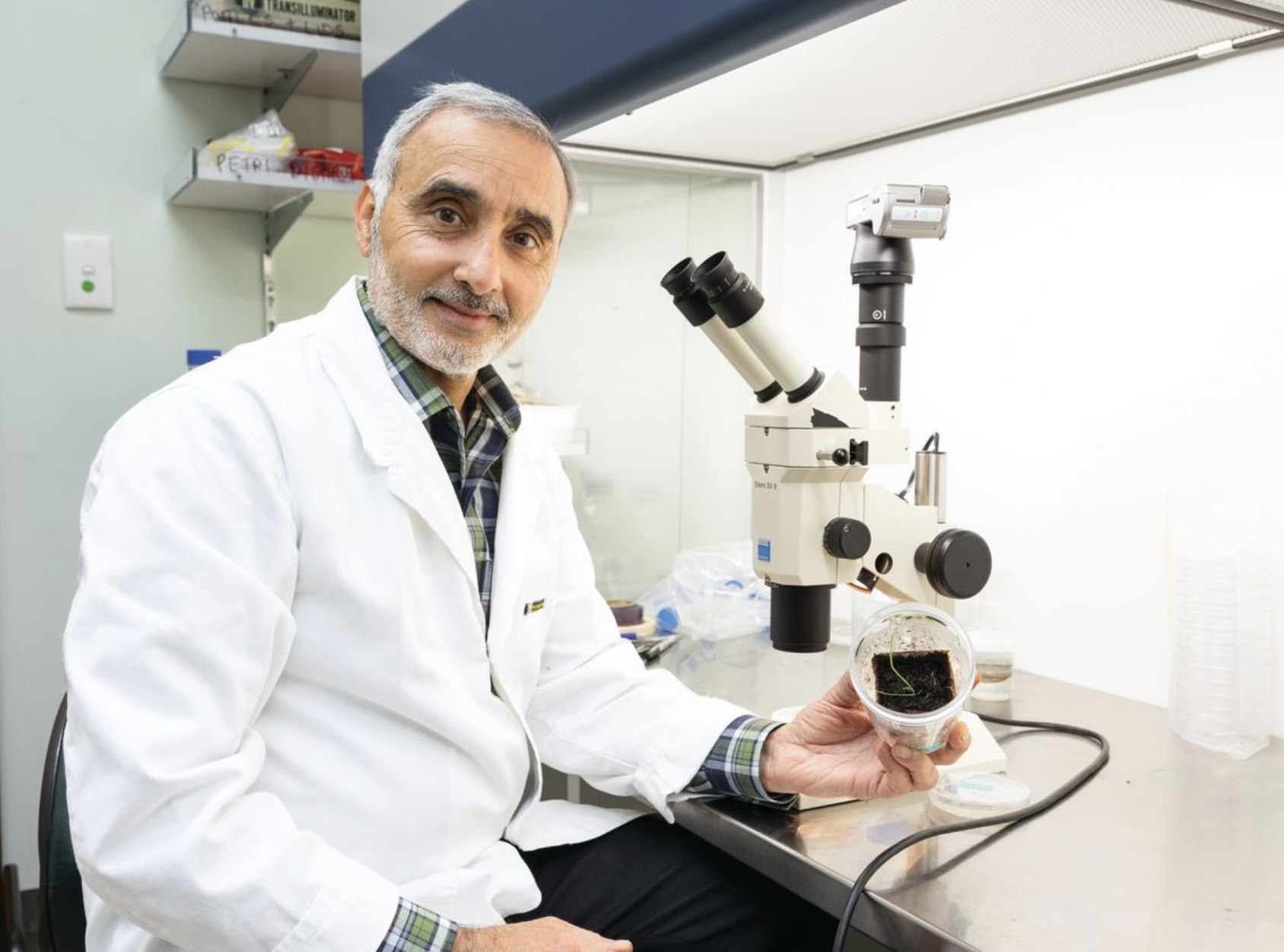
While it will not deliver change in the paddock any time soon, researchers say the achievement is important enough to be watched closely.
The work centres on a successful hybrid between cocksfoot and ryegrass that is able to produce fertile seed.
That may sound modest, but it is something plant breeders around the world have been trying and failing to achieve for more than three decades.
Previous attempts produced weak, infertile plants that went nowhere, and many researchers concluded the biological barrier was simply too high.
Scientists at the Bioeconomy Science Institute in New Zealand have now shown that barrier can be crossed.
Hybrid plants are growing in a Palmerston North greenhouse and, for the first time, are producing viable seed.
International research groups and pastoral farmers are already expressing interest, while Grasslanz Technology is supporting future work to explore possible commercial pathways.
The appeal is obvious.
Cocksfoot and ryegrass are cornerstone species in NZ farming systems, each with strengths that farmers know well.
Cocksfoot brings persistence and drought tolerance.
Ryegrass delivers feed quality and ease of establishment.
Combining those traits in a single grass has long been a breeding goal, especially as climate pressure increases.
The breakthrough followed years of careful, high risk research led by plant geneticist Dr Wajid Hussain, who applied lessons from complex clover breeding to the grass challenge.
The team used a technique known as embryo rescue.
When the two grasses are crossed, an embryo can form but normally dies because it lacks a food source.
By removing the embryo early and growing it on an artificial nutrient medium, the scientists were able to nurse it through to a viable plant that later produced seed.
Researchers stress this is proof of concept rather than a product.
The current plants are not ready for paddock use and much work remains to stabilise fertility, assess agronomic performance and develop later generation hybrids.
A three species grass hybrid is also planned as part of the next phase.
Dr Marty Faville, plant genetics science team leader, says the path from scientific breakthrough to farm gate is long and requires multiple generations of refinement and close collaboration with breeders and farmers.
Still, for those involved, the result is a career highlight and a door opening that many believed was locked.
For farmers, the message is not one of immediate change, but of potential.
Any advance that might one day deliver grasses with better feed quality and greater resilience to climatic stress is worth paying attention to, even at this early stage.